German
 Japanese
 Portuguese
 Korea
 Mexico
 Dutch


Demystifying the Difference Between Solid State Battery and Lithium-Ion

What is a Solid-State Battery?
.jpg?x-oss-process=image/auto-orient,1/quality,q_70/format,webp)
Unlike lithium-ion batteries, which use a liquid electrolyte, Solid-State Batteries (SSBs) use a solid electrolyte substance. This is a next-generation battery technology. This solid electrolyte has several benefits, such as:
Enhanced Safety: Solid electrolytes considerably lower the risk of fires and explosions related to Li-ion batteries since they are more stable and less combustible than liquid electrolytes.
Higher Energy Density: SSBs can store a great deal more energy per unit space than Li-ion batteries, which might enable EVs to go farther between charges and result in smaller, more potent gadgets.
Faster Charging: EV charging periods may be reduced to just a few minutes thanks to the solid-state design's ability to facilitate faster charging times.
Longer Lifespan: SSBs are anticipated to outlast Li-ion batteries in terms of longevity and durability, requiring fewer replacements.
Are Solid-State Batteries Safer?
Regarding safety, solid-state batteries have a great deal of potential. One big worry with Li-ion batteries is the possibility of flammable liquids spilling and burning. This is eliminated by the solid electrolyte. Because of their intrinsic safety, SSBs are the best choice for high-risk applications including large-scale energy storage systems and electric vehicles.
What is Lithium-Ion?
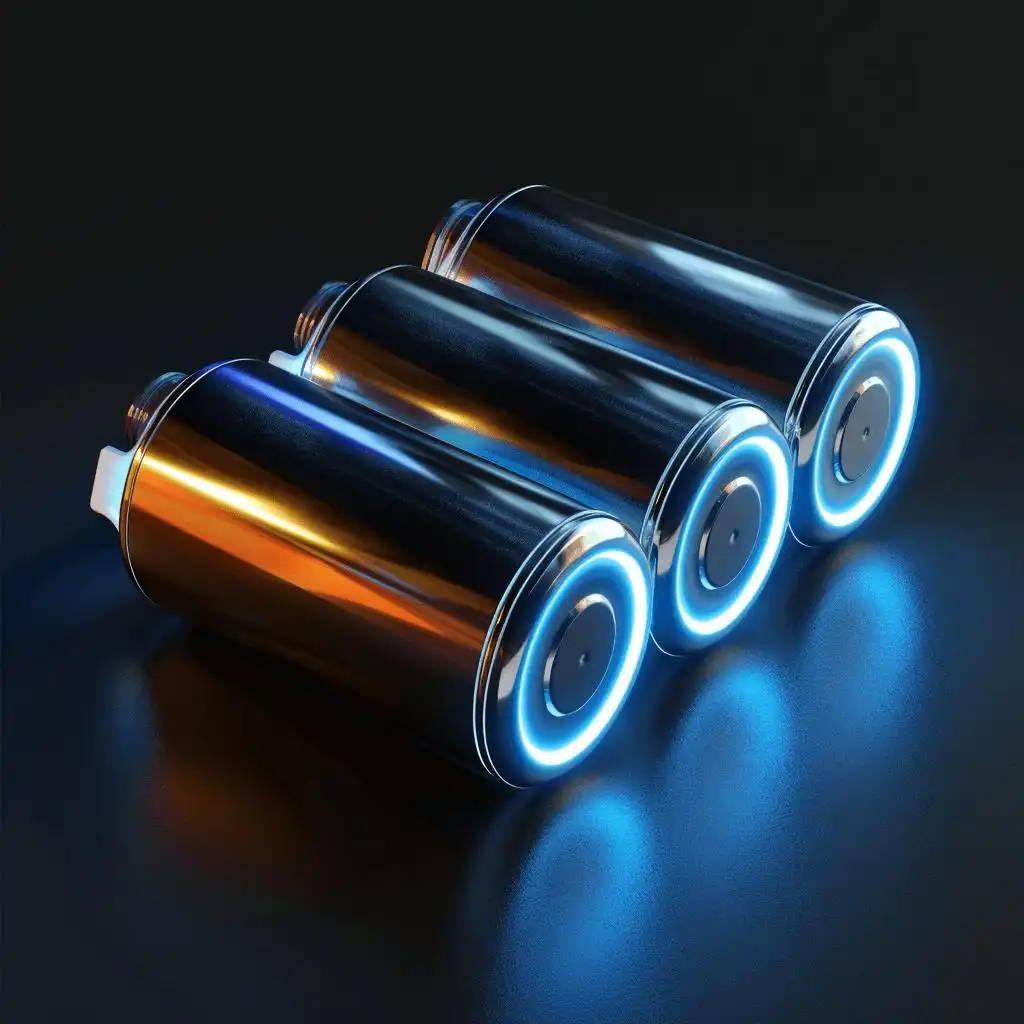
Today's most popular battery technology, the Lithium-Ion, works with a liquid electrolyte solution that contains lithium ions. Lithium ions travel between a graphite anode and a lithium-cobalt oxide (LiCoO2) cathode during operation. This is a condensed explanation of the procedure:
During Charging: Lithium ions are taken out of the cathode and moved to the anode via the electrolyte during the charging process.
During Discharging: When discharging, an electric current is produced as the lithium ions return from the anode to the cathode.
Because Li-ion batteries are rechargeable and have a high energy density, they have completely changed portable devices. They do have certain restrictions, though:
Safety Concerns: If the battery is destroyed or there are extremely high or low temperatures, there is a risk of fire due to the flammable liquid electrolyte.
Limited Range: Li-ion batteries still have a limited range when compared to gasoline-powered vehicles, while being a major improvement over previous battery technologies.
Degradation: Over time, Li-ion batteries lose some of their capacity and eventually need to be replaced.
Can Lithium-Ion Batteries Be Recycled?
Lithium-ion batteries can be recycled, but it's a more involved process and less common than recycling other materials like plastic or aluminum. Nonetheless, because of the valuable materials they contain and environmental concerns, recycling initiatives are increasing.
Video related to Solid State Battery vs Lithium Ion
What are Solid State Batteries Used for?
Electric Vehicles (EVs): Smart signal boosters (SSBs) have the potential to significantly improve EVs' safety, range, and charging speed.
Consumer Electronics: SSBs may result in laptops, smartphones, and other portable devices that are lighter, thinner, and charge more quickly.
Renewable Energy Storage: SSBs have the potential to completely transform grid storage for renewable energy sources like wind and solar energy.
What are Lithium Ion Batteries Used for?
Portable Electronics: Because of their well-established technology and portability, Li-ion batteries are currently the most popular power source for laptops, smartphones, tablets, and other portable electronics.
Power Tools: For cordless power tools, Li-ion batteries provide a strong and portable option.
Medical Devices: Because Li-ion batteries are portable and offer dependable power delivery, they are utilized in a variety of medical gadgets.
How Are Solid-State Batteries Made?
The process of making solid-state batteries is still in its infancy and lacks a single, defined method. Here is a broad summary of a few possible approaches:
Solid-State Electrolyte Formation: This entails forming a solid or thin coating of a substance that permits lithium ion mobility but inhibits electron passage. For this reason, several materials and methods are being investigated.
Electrode Fabrication: As with Li-ion batteries, the development of unique anode and cathode materials with high energy density and stability is necessary for SSBs.
Cell Assembly: To guarantee secure and effective functioning, the solid electrolyte, electrodes, and other parts are meticulously put together inside a sealed housing.
Challenges in Solid-State Battery Manufacturing:
Solid Electrolyte Development: It is still difficult to find a material that is both electrically insulating and ionically conducting.
Scalability and Cost: Large-scale production and cost reduction are hampered by the complexity and high cost of the current SSB manufacturing techniques.
Interface Issues: It can be difficult to guarantee a proper interface between the electrodes and the solid electrolyte for effective ion flow.
How Are Lithium-Ion Batteries Made?
The production of lithium-ion batteries is a well-established procedure that involves several crucial steps:
Cathode and Anode Material Preparation: To optimize performance, the raw materials are processed and refined into precise structures.
Electrode Coating: Conductive current collector foils are coated with the cathode and anode materials.
Electrolyte Preparation: A liquid electrolyte solution is made by mixing organic solvent and lithium salt.
Cell Assembly: The electrolyte, coated electrodes, and separator—a microporous membrane—are expertly put together into a sealed container.
Formation Cycle: To activate the electrodes and enhance performance, the freshly built battery goes through a first charging and discharging cycle.
Lithium-Ion Battery Manufacturing Advantages:
Established Technology: The production of Li-ion batteries is a well-established technique that enables cost-effectiveness and huge production volumes.
Scalability: It is easy to modify current manufacturing facilities to produce Li-ion batteries.
Wide Range of Materials: Li-ion batteries can be customized to meet the needs of particular applications thanks to the wide range of cathode and anode materials that are available.
How Solid-State Battery Works?
SSBs work by moving lithium ions across electrodes, just like Li-ion batteries do. Here's a condensed explanation:
During Charging: Through the solid electrolyte, lithium ions move from the cathode (positive electrode) to the anode (negative electrode).
During Discharging: When the device is being discharged, the process is reversed and lithium ions move from the anode to the cathode, producing power.
A short circuit could be prevented by the solid electrolyte, which permits lithium ions to flow through while blocking electrical contact between the electrodes. It is still difficult for scientists to create a solid electrolyte that is both electrically insulating and ionically conducting.
How Do Lithium-Ion Batteries Work?
A sequence of chemical reactions occurs at the electrode surfaces of a Li-ion battery during operation:
During Charging: During charging, an oxidation reaction removes lithium ions from the cathode material (such as LiCoO2). After that, these lithium ions move to the anode (such as graphite) via the liquid electrolyte solution. A reduction reaction at the anode causes the lithium ions to be intercalated, or inserted, into the graphite lattice. The circuit is completed by electrons that are emitted from the oxidation reaction at the cathode and travel to the charger via the external circuit.
During Discharging: When discharging, the procedure is inverted. De-intercalating from the anode, lithium ions return to the cathode. The connected device is powered by electrons that move from the anode to the cathode via the battery's internal circuit.
How to Charge Lithium-Ion Battery?
For the safest and most effective Li-ion battery charging, follow these important guidelines:
Use the Correct Charger: Make sure you use the charger that was intended for your device's battery type or the one that came with it.
Avoid Extreme Temperatures: Li-ion batteries might lose performance and longevity if they are charged in extremely hot or cold conditions.
Prevent Overcharging: Although most contemporary gadgets come with built-in overcharge protection, it's still a good idea to try to avoid leaving your device plugged in all the time.
Shallow Discharges: In general, shallow discharges, which prevent the battery from completely draining, are preferable to deep discharges for the longevity of Li-ion batteries.
How to Dispose of Lithium-Ion Batteries?
It's imperative to properly dispose of Li-ion batteries. They should never be thrown in the trash since they may leak dangerous substances. Look for electronics stores that have authorized battery recycling sites or pickup points.
Solid-State Battery vs Lithium-Ion
|
Feature |
Solid-State Batteries |
Lithium-Ion Batteries |
|
Electrolyte |
Solid (ceramics, glass, or polymers) |
Liquid or gel (lithium salts) |
|
Safety |
Enhanced safety (non-flammable, reduced leaks) |
Safety concerns (flammable, risk of leaks) |
|
Lifespan |
Longer operational life |
Limited lifespan (degradation over time) |
|
Charging Speed |
Potential for faster charging |
Fast charging is available but limited |
|
Temperature Performance |
Wide operating range |
Sensitive to high and low temperatures |
|
Cost |
Higher (currently more expensive) |
Lower (benefits from mass production) |
|
Environmental Impact |
Potentially lower, safer materials |
Significant environmental concerns |
|
Recyclability |
Developing, more research needed |
Established but challenging |
|
Market Maturity |
Development stage, promising future potential |
Mature technology, extensive infrastructure |
Does Solid-State Battery Use Lithium?
Yes, lithium ions are necessary for the operation of solid-state batteries, such as Li-ion batteries. The electrolyte is where the main distinctions between Li-ion batteries and SSBs are found; Li-ion batteries use a liquid electrolyte solution that contains lithium ions.
Is Tesla Working on Solid-State Batteries?
Yes, Tesla is actively involved in the research and development of solid-state battery technology, as do many other significant automakers and battery manufacturers. SSBs have the potential to revolutionize the electric vehicle industry by enabling faster charging and higher range in EVs.
Where to Buy Solid-State Battery?
Commercial solid-state batteries for consumer electronics are still in their early stages of development and are not widely accessible currently. Nonetheless, the field is developing quickly, and SSBs could be widely used in a variety of applications in the future.
How Long Do Lithium-Ion Batteries Last?
A lithium-ion battery's lifespan is determined by several factors, such as:
Li-ion batteries deteriorate with each charge-discharge cycle, regardless of the number of cycles. The lifespan can vary according to usage patterns, however, it typically lasts between two and three years or 500 to 1000 charge cycles.
Depth of Discharge: A Li-ion battery's lifespan can be considerably shortened by frequent deep discharges.
Temperature: High or low temperatures can hasten the deterioration of batteries. To extend battery life, it is essential to maintain ideal working and storage temperatures.
You may contribute to extending the life of your Li-ion batteries by using appropriate charging procedures and steering clear of extremely high or low temperatures.
Conclusion
Lithium-ion and solid-state batteries are two different phases in the development of battery technology. Although Li-ion batteries have completely changed the way that portable gadgets work, SSBs offer a lot of potential still. They are very attractive for renewable energy storage, electric vehicles, and many other applications due to their potential advantages in safety, energy density, and lifespan. The distance between potential and actuality is closing as research and development work is done, opening the door for next-generation solid-state battery technology.
FAQs
What are the disadvantages of solid-state batteries?
Expensive: Producing them involves high costs because of intricate materials and procedures.
Needs Improvement: Although promising, lithium-ion batteries may not keep up in areas like energy density and charging speed.
Scaling Up Slow: The development of mass production techniques is ongoing.
Durability Concerns: Solid electrolytes have a chance of losing performance with time even though they are safer.
These problems are being researched to lower costs, enhance performance, and facilitate large-scale production. When these obstacles are overcome, solid-state batteries have the potential to revolutionize energy storage.
How long would solid-state batteries last?
Solid-state batteries are predicted to have a substantially longer lifespan than existing options—up to 10,000 charging cycles. However, more testing is required because real-world use relies on usage.
What battery technology is better than lithium-ion?
Solid-State: Expensive and yet in development, but safer, possibly longer lasting, and faster charging.
Lithium-Sulfur: Potentially longer range for EVs, although there are still technical issues.
Lithium-metal: Safety concerns exist, yet even higher energy density is achievable.
Though they are all still in the early stages of development, these could shape battery technology going forward.

Related Articles
- ·MediaTek MT6366 vs. MT6373: Features, Architecture, Applications, and Design Considerations
- ·Qualcomm PM8550 vs. PM8550B vs. PM8550VS: Features, Differences, Applications, and Selection Guide
- ·Qualcomm PM8350 vs. PM8350C: Architecture, Features, Applications, and Selection Guide
- ·Qualcomm PM8150 vs. PM8150B vs. PM8150L: Functions, Architecture, Applications, and Selection Guide
- ·SGM41541 vs. SGM6605: Battery Charger and Synchronous Boost Converter Comparison
- ·ADI LTM4630A vs. LT8645S: Power Module and Silent Switcher Regulator Comparison
- ·Richtek RT8206A vs. RT9013: Architecture, Specifications, Applications, and Design Considerations
- ·MPS MP2657, MPQ6610GJ-AEC1-Z, and MP2856: Identification, Functions, and Application Comparison
- ·TPS6594-Q1 vs. TPS65219-Q1 vs. TPS653860-Q1 vs. LP87745-Q1: TI Automotive PMIC Comparison
- ·Electronic Components Monthly Market Report