
 German
 Japanese
 Portuguese
 Korea
Korea
 Mexico
 Dutch
Dutch


IC Chips: Fueling the Future of Drone Innovation

What is An IC Chip?

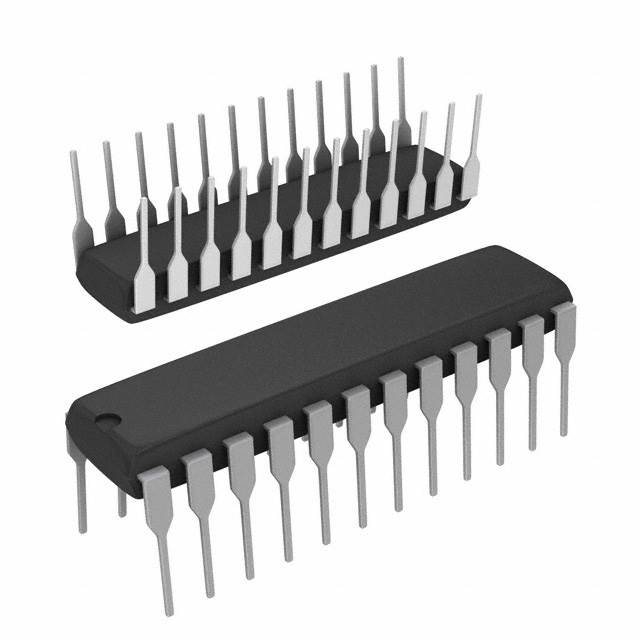
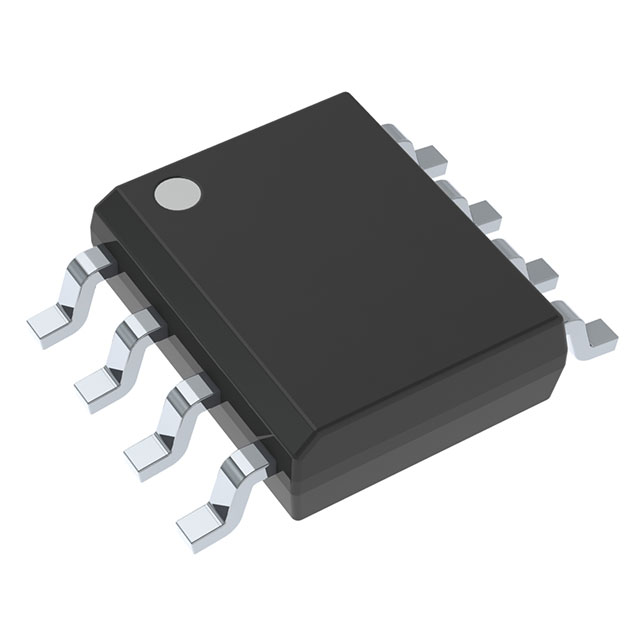
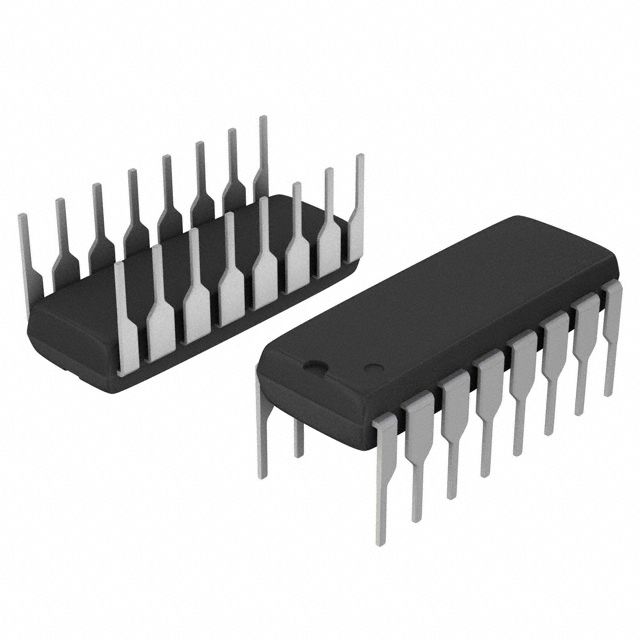
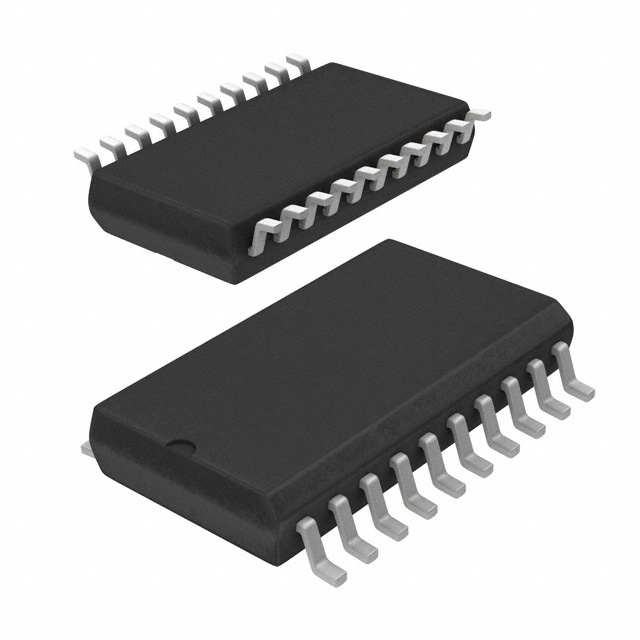
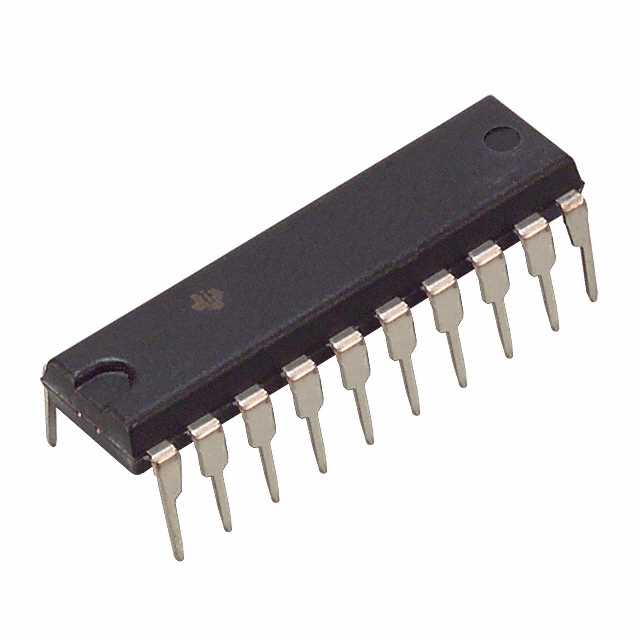
An integrated circuit (IC) chip, often referred to as a microchip, is a fundamental component of modern electronic devices. It is a small, flat piece of semiconductor material that contains a complex network of electronic circuits. Moreover, an IC chip is an innovative chip. These circuits are etched onto the surface of the chip using advanced manufacturing processes, resulting in a compact and highly integrated electronic system.
IC chips are designed to perform various functions, such as processing, storing, and transmitting electronic signals. They consist of multiple interconnected components, including transistors, diodes, resistors, and capacitors, which collectively enable the chip to perform specific tasks. These components are fabricated using semiconductor materials, such as silicon, which possess unique electrical properties that allow for precise control and manipulation of electronic signals.
The invention of the IC chip revolutionized the field of electronics by enabling the miniaturization and integration of electronic circuits. Before IC chips, electronic devices relied on larger discrete components, consumed more power, and were less efficient. IC chips, on the other hand, allowed for the consolidation of multiple electronic components onto a single chip, resulting in smaller and more efficient devices.
The versatility and scalability of IC chips have made them indispensable in a wide range of applications. From smartphones and computers to medical devices and automotive systems, IC chips power the functioning of countless electronic devices we rely on daily. They serve as the "brains" of these devices, processing data, executing instructions, and enabling the desired functionality.
The manufacturing process for IC chips involves several intricate steps. It begins with the creation of a semiconductor wafer, typically made of silicon, which serves as the base material for the chips. Through a series of photolithography, etching, and deposition processes, the electronic circuits are patterned onto the wafer. This is followed by testing, packaging, and final assembly, where individual chips are separated, encapsulated, and mounted onto appropriate packages for protection and connection to external systems.
As technology advances, IC chips continue to evolve in terms of performance, power efficiency, and integration density. This progress has led to the development of more powerful and sophisticated electronic devices, including drones. In the context of drones, IC chips play a crucial role in providing the necessary computational power, control, and communication capabilities. They enable drones to perform complex tasks, such as autonomous navigation, real-time data processing, and high-definition imaging, making them versatile tools in various industries.
In summary, IC chips are the building blocks of modern electronic devices, including drones. Their compact size, integration capabilities, and efficient performance have revolutionized the field of electronics, driving innovation and enabling the development of advanced technologies that shape our present and future.
What is A Drone?
A drone, also known as an unmanned aerial vehicle (UAV), is an aircraft that operates without a human pilot on board. Drones are remotely controlled or can operate autonomously using pre-programmed flight plans or artificial intelligence algorithms. They have gained significant popularity and have become increasingly prevalent in various industries and recreational activities.

Drones come in various sizes, ranging from small handheld models to larger, more complex aircraft. They are equipped with multiple components that enable flight, navigation, and data gathering. These components typically include a frame or airframe, a propulsion system, a control system, sensors, and a communication system.
The frame or airframe of a drone provides the structural support and houses the various components. It is typically made of lightweight materials such as carbon fiber or plastic to optimize flight performance and endurance. The design of the airframe varies depending on the drone's purpose, whether it's for aerial photography, surveying, or delivery.
The propulsion system of a drone consists of electric motors and propellers or rotors that generate the necessary thrust for flight. Electric motors are commonly used in drones due to their efficiency, reliability, and ease of control. The number of rotors can vary, with quadcopters (four rotors) and hexacopters (six rotors) being popular configurations.
Drones rely on a control system, which includes flight controllers and electronic speed controllers (ESCs), to maintain stability and control during flight. The flight controller processes input from the pilot or autopilot system and adjusts the speed of individual motors to control the drone's movement and orientation. ESCs regulate the power supply to the motors based on signals received from the flight controller.
Sensors play a crucial role in drone operations. They provide real-time data to the flight controller, enabling the drone to maintain stability, navigate, and perform specific tasks. Common sensors found in drones include gyroscopes, accelerometers, magnetometers, barometers, and GPS modules. These sensors measure orientation, acceleration, altitude, and position, allowing for precise control and navigation.
Drones are often equipped with various payloads, depending on their intended use. Payloads can include cameras for aerial photography and videography, thermal imaging cameras for inspections and search and rescue operations, LiDAR sensors for mapping and surveying, and even delivery mechanisms for transporting goods.
The communication system of a drone allows for interaction between the aircraft and its operator or ground control station. It enables real-time transmission of data, commands, and video feeds, providing situational awareness and ensuring safe and efficient operation. Communication can be achieved through radio frequency (RF) systems, Wi-Fi, or cellular networks.
The applications of drones are vast and continue to expand. They are used in industries such as aerial photography and videography, agriculture, construction, infrastructure inspections, search and rescue operations, environmental monitoring, and delivery services. Drones offer advantages such as cost-effectiveness, accessibility to remote or hazardous areas, and the ability to gather data and imagery from unique perspectives.
In conclusion, drones are unmanned aerial vehicles that operate without a human pilot on board. They are equipped with various components, including a frame, propulsion system, control system, sensors, and communication system. Drones have found numerous applications across industries and recreational activities, transforming the way we capture images, collect data, and perform various tasks. As technology continues to advance, drones are expected to play an increasingly significant role in shaping various sectors of society.
What are the 4 Types of Drones?
Drones come in various types and configurations, each designed for specific purposes and capabilities. While there are numerous classifications and categories based on different criteria, four common types of drones are fixed-wing drones, multirotor drones, single-rotor helicopters, and hybrid drones.
Fixed-wing drones are designed to resemble traditional airplanes, with a fixed wing and a propulsion system that generates forward thrust. These drones rely on the lift generated by their wings to stay in the air and require continuous forward motion to maintain flight. Fixed-wing drones are known for their long-flight endurance and high-speed capabilities, making them suitable for applications such as aerial mapping, surveying large areas, and agricultural monitoring. They are less maneuverable than multirotor drones but excel in covering vast distances efficiently.

Multirotor drones, such as quadcopters and hexacopters, are the most common type of drones. They feature multiple vertically oriented rotors that generate lift and control the drone's movement. Multirotor drones are highly maneuverable, capable of vertical takeoffs and landings, hovering in place, and performing agile movements in various directions. They are widely used for aerial photography and videography, inspections, search and rescue operations, and recreational purposes. The ability to hover and fly in tight spaces makes them suitable for applications that require close-range operations.

Single-rotor helicopters, also known as single-rotor drones or rotorcraft, differ from multirotor drones in their design. They feature a larger rotor that provides both lift and propulsion, with a smaller tail rotor to counteract torque. Single-rotor drones offer unique advantages such as higher payload capacity, longer flight times, and the ability to fly in harsh weather conditions. They are commonly used in professional aerial cinematography, industrial inspections, and military applications. However, they require more complex flight control systems and demand skilled pilots due to their inherent mechanical and aerodynamic complexities.

Hybrid drones combine the features and capabilities of fixed-wing and multirotor drones. These drones typically feature a fixed wing for efficient forward flight and vertical takeoff and landing capabilities provided by additional rotors. Hybrid drones offer the benefits of extended flight range and endurance, similar to fixed-wing drones, along with the ability to hover and perform precise maneuvers like multirotor drones. They are utilized in applications that require long-distance operations, such as large-scale mapping, surveillance, and monitoring missions.

It's important to note that the drone industry is continually evolving, and new types of drones are being developed to cater to specific needs and technological advancements. Some examples include autonomous drones, which can operate with minimal human intervention, and VTOL (Vertical Takeoff and Landing) drones, which combine the benefits of fixed-wing and multirotor drones with enhanced vertical flight capabilities.
In summary, the four common types of drones are fixed-wing drones, multirotor drones, single-rotor helicopters, and hybrid drones. Each type has its strengths and applications, ranging from long-endurance flights and efficient aerial mapping to agile maneuverability and precise aerial photography. Understanding the characteristics and capabilities of different drone types is essential in selecting the right drone for specific tasks and industries.
How Does A Drone Work?
Here is a video about the working process of a drone:
Chips for Drones
Chips for drones, specifically integrated circuit (IC) chips, are key components that play a pivotal role in the functionality and performance of unmanned aerial vehicles (UAVs). These chips are designed to provide the necessary processing power, control capabilities, and connectivity for drones to perform a wide range of tasks.
IC chips for drones are responsible for various functions, including flight control, navigation, communication, data processing, and sensor integration. They enable drones to maintain stability, adjust altitude, and respond to user commands through sophisticated flight control systems. These chips process data from sensors such as gyroscopes, accelerometers, and magnetometers, ensuring precise control and maneuverability.
Navigation is another critical aspect of drone operation, and IC chips with integrated global positioning system (GPS) modules allow drones to accurately determine their position, navigate to specific locations, and follow pre-programmed flight paths. GPS-enabled chips provide real-time positioning information, enabling drones to perform tasks such as aerial mapping, surveying, and search and rescue operations with high accuracy.
IC chips also play a significant role in capturing and processing images and videos from drone-mounted cameras. These chips enhance image quality, enable real-time video transmission, and support advanced features such as image stabilization and object recognition. They facilitate the seamless integration of cameras with drones, opening up opportunities for aerial photography, cinematography, and surveillance applications.
Another crucial aspect of IC chips for drones is communication. These chips enable wireless connectivity, allowing drones to transmit data, receive commands, and communicate with ground control stations or other drones. They facilitate real-time communication, ensuring efficient operation and enabling collaborative tasks, such as swarm drones or coordinated missions.
The design and development of IC chips for drones involve considerations of power efficiency, miniaturization, and robustness. Drones operate on limited power sources, and IC chips are designed to minimize power consumption while delivering high performance. Additionally, the compact size of IC chips allows for their integration into the limited space available within drones while ensuring reliability under challenging environmental conditions.
As drone technology continues to advance, IC chips are evolving to meet the demands of increasingly sophisticated drone applications. Manufacturers are developing specialized chips tailored to specific drone functionalities, such as artificial intelligence (AI) chips for autonomous decision-making or computer vision chips for advanced image processing.
In summary, IC chips for drones are critical components that enable the advanced functionality, control, and connectivity of UAVs. These chips power flight control systems, enable precise navigation, support image and video processing, and facilitate wireless communication. As drones continue to revolutionize industries such as aerial photography, delivery services, and infrastructure inspection, IC chips will play a vital role in driving further innovation and expanding the capabilities of drones.
Challenges and Future Trends of IC Chips in Drones
IC chips play a crucial role in the development and innovation of drones, but they also face several challenges and present exciting future trends. Let's delve into these challenges and explore the potential trends shaping the future of IC chips in drones.
One significant challenge faced by IC chips in drones is the need for miniaturization and power efficiency. Drones require lightweight and compact components to optimize their flight capabilities. IC chips need to be designed with smaller form factors while maintaining high performance and functionality. This challenge drives the need for continued advancements in process technology to create smaller, more power-efficient chips. Future trends may include the development of innovative manufacturing processes and materials to address this challenge.
Another challenge lies in meeting the increasing demand for processing power and computational capabilities in drones. Drones are expected to perform complex tasks such as real-time image processing, object detection, and autonomous navigation. Meeting these requirements requires IC chips with higher processing power and specialized architectures optimized for drone applications. Future trends may involve the development of more powerful processors, including dedicated hardware accelerators for artificial intelligence (AI) and machine learning tasks.
Integration of sensors and data processing is another challenge for IC chips in drones. Drones rely on various sensors, including cameras, LiDAR, GPS, and inertial measurement units (IMUs), to gather data about their environment. Efficiently integrating these sensors and processing their data on a single chip is essential for real-time decision-making and autonomous operations. Future trends may include advancements in sensor fusion techniques and hardware architectures that enable seamless integration and efficient processing of sensor data.
Communication and connectivity pose challenges for IC chips in drones. Reliable and high-bandwidth communication between drones and ground control is crucial for mission-critical applications, such as aerial surveys and remote inspections. IC chips must support wireless communication protocols and provide robust connectivity options. Future trends may involve the adoption of advanced communication technologies, such as 5G or beyond, to meet the increasing demands of drone applications.
Power management and energy efficiency are significant challenges for IC chips in drones. Extending flight times and optimizing power consumption are vital for prolonged and efficient drone operations. IC chips need to be designed with low power consumption and efficient power management systems. Future trends may include the development of low-power IC chip designs, energy harvesting technologies, and intelligent power management algorithms to improve overall energy efficiency.
Environmental robustness and reliability are crucial considerations for IC chips in drones. Drones often operate in challenging environments, including extreme temperatures, humidity, and vibration. IC chips must be able to withstand these conditions and operate reliably. Future trends may involve improved packaging and protection techniques to enhance durability and reliability, ensuring that IC chips can endure the demands of drone operations in various environments.
Artificial intelligence (AI) and autonomous capabilities present both challenges and future trends for IC chips in drones. Enabling AI algorithms and machine learning on resource-constrained IC chips is a challenge, as AI tasks often require significant computational resources. Future trends may involve the development of dedicated hardware accelerators and specialized AI chips that can efficiently process AI algorithms on board, enabling drones to perform complex tasks autonomously and in real time.
Custom IC chip design is another area of interest for the future of drones. Tailoring IC chip designs to specific drone applications and requirements can optimize performance, power consumption, and functionality. Custom IC chips can be designed to meet the unique needs of specialized drone applications, such as agricultural monitoring or disaster response. Future trends may involve increased adoption of custom IC chip designs and system-on-chip (SoC) integration, allowing for a more tailored and efficient drone system.
Security and data privacy are also critical challenges for IC chips in drones. As drones become more connected and integrated into the Internet of Things (IoT) ecosystem, ensuring secure communication, data storage, and protection against cyber threats become paramount. Future trends may involve the implementation of robust security features, encryption algorithms, secure communication protocols, and data privacy mechanisms in drone IC chips.
Lastly, regulatory compliance presents challenges and future trends for IC chips in drones. As drone regulations and standards evolve, IC chip designs must adapt to comply with these requirements. Collaboration between chip manufacturers and regulatory bodies will be crucial in developing compliant solutions that meet safety, privacy, and operational regulations. Future trends may involve closer partnerships and coordination to ensure the seamless integration of regulatory requirements into IC chip designs.
In conclusion, the challenges faced by IC chips in drones encompass miniaturization, processing power, sensor integration, communication, power management, AI capabilities, customization, security, and regulatory compliance. Addressing these challenges and embracing future trends will unlock new possibilities and drive innovation in the drone industry. The future of IC chips in drones holds promise for smaller and more powerful chips, seamless sensor integration, efficient communication, enhanced power management, AI-driven autonomy, custom designs, robust security, and compliance with evolving regulations.
Conclusion
To sum up, the future of drone innovation is being powered by IC chips, which are tackling obstacles and propelling technological progress. The future of drones is being shaped by smaller and more potent chips, sensor integration, enhanced communication, and AI capabilities. Custom designs, more effective power management, security, and compliance with regulations are also critical factors. As IC chips continue to advance, they will make drones more adaptable, independent, and influential in different industries. The potential of IC chips in drone innovation is encouraging, and we have only begun to explore their possibilities.

Related Articles
- ·HBM3 vs. HBM3E: Complete Technical Comparison for AI, HPC, and Global Component Procurement
- ·How Large Language Models Work
- ·SK Hynix & Samsung: The Unprecedented HBM Expansion Race
- ·Micron 6600 ION 245TB Redefines Data Center
- ·Why Memory and Storage Define the Next Decade
- ·How Artificial Intelligence Acquires “Knowledge”
- ·How DRAM Will Change the World
- ·Why SSD Write Cache Is Crucial for AI Applications
- ·DRAM Product, Technology & Application Guide
- ·HBM4 compared to HBM4E







.png?x-oss-process=image/format,webp/resize,h_32)


