German
 Japanese
 Portuguese
 Korea
 Mexico
 Dutch


The Essential Guide to LR44 Batteries: Specifications and Use

What are LR44 Batteries?
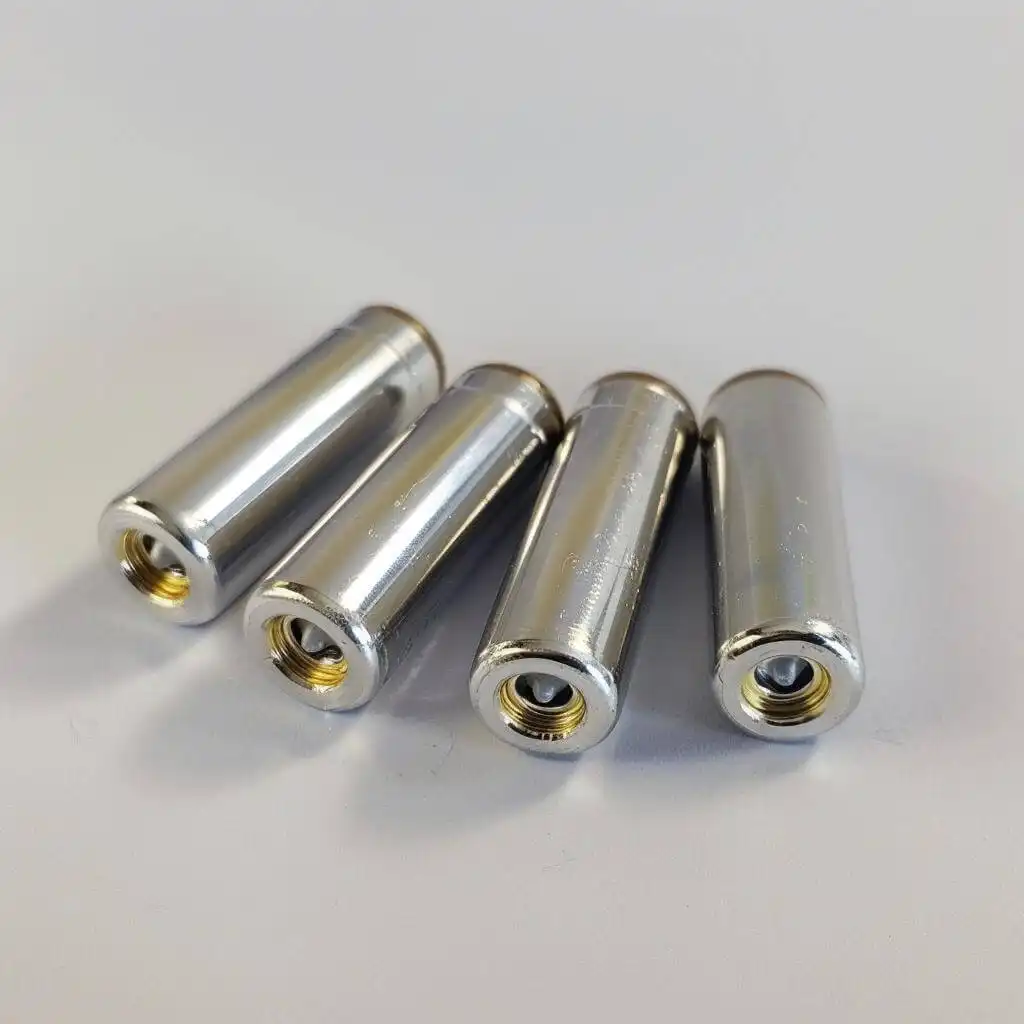
LR44 batteries are small, circular, alkaline manganese batteries that can only be used once. Their coin-like form qualifies them as "button cells". They have a diameter of 11.6 millimeters and a height of 5.4 millimeters, making them suitable for charging small electrical gadgets.
What are LR44 Batteries Used for?
LR44 batteries are the powerhouses of the small electronics industry. Their small size and consistent 1.5-volt output make them ideal for powering a variety of devices, including:
- Digital Devices: Digital devices include calculators, watches, key fobs, car remotes, and keyless entry systems.
- Toys and Games: Electronic toys, talking greeting cards, laser pointers.
- Medical Devices: Medical devices include hearing aids, diabetes meters, and thermometers.
- Other Devices: Other devices include small cameras, lamps, and smoke detectors (certain types).
Their adaptability makes them a home mainstay, providing the power your everyday gadgets require to work.
What is a LR44 Battery Equivalent?
The brilliance of LR44 batteries stems from their vast variety of counterparts. Several different battery types have the same specs (1.5v, 11.6mm diameter, and 5.4mm height), making them compatible with most devices. Below are some common LR44 equivalents:
- AG13: This is perhaps the most popular variant name for the LR44. It's virtually identical in every manner.
- A76: A76 is a widely accessible alternative with the same voltage and size as the LR44.
- 357 & SR44: These may have somewhat varied chemical compositions, although they frequently function interchangeably with LR44s in low-drain systems.
Important Note: Although these batteries have comparable specifications, it's always a good idea to check your device's documentation before using an equivalent. Some high-drain gadgets may require specific battery kinds.
How Many Volts is a LR44 Battery?
An LR44 battery's nominal voltage is 1.5 volts. This means it delivers a steady 1.5 volts of electricity for the majority of its discharge cycle. However, as the battery approaches exhaustion, the voltage may decrease slightly.
Video related to LR44 Batteries
How to Put in LR44 Batteries?
Changing an LR44 battery is a simple procedure. Here is a general guide:
- Identify the battery compartment: Locate the battery compartment on your smartphone. It is typically secured by a screw or a latch.
- Open the compartment: Follow the procedures for opening the container as indicated in the device's handbook.
- Remove the old battery: Use your fingers or a nonmetallic instrument to gently remove the old battery. Do not contact the positive and negative terminals with your naked hands.
- Orient the new battery: The positive (+) and negative (-) markings on the new battery should correspond to the markings in the compartments.
- Insert the new battery: Carefully insert the new battery into the compartment, making sure the positive and negative terminals are aligned appropriately.
- Close the compartment: Secure the compartment per the device's instructions. Most compartments either snap shut or require a screw.
Important: Always consult your device's handbook for precise battery replacement instructions.
LR44 vs 357
LR44 and 357 batteries are frequently interchangeable, however, there are some small differences. Both have the same dimensions (11.6mm x 5.4mm) and nominal voltage (1.5V). However, they may differ slightly in terms of chemical makeup and discharge characteristics.
- Chemistry: LR44 batteries are primarily alkaline manganese batteries that strike an excellent mix between performance and cost-effectiveness. 357 batteries can have a variety of chemistries, such as alkaline manganese, zinc-air, or lithium.
- Discharge Rate: LR44 batteries are intended for continuous low to moderate current drain. 357 Batteries, particularly those based on zinc-air chemistry, may not perform as well in applications with constant current draw. Zinc-air batteries, on the other hand, perform well in applications that require pulsed or momentary current.
Here's a table summarizing the key differences:
|
Feature |
LR44 |
357 |
|
Typical Chemistry |
Alkaline Manganese |
Varies (Alkaline Manganese, Zinc-Air, Lithium) |
|
Voltage |
1.5v |
1.5v |
|
Size |
11.6mm x 5.4mm |
11.6mm x 5.4mm |
|
Applications |
Continuous low to moderate current drain |
Continuous low to moderate current drain |
Is LR44 Same as SR44?
LR44 and SR44 batteries are fairly similar and frequently used interchangeably. They have the same dimensions (11.6mm x 5.4mm) and voltage (1.5V). The fundamental difference is in their chemistry.
- LR44: Alkaline Manganese (Most Common)
- SR44: Silver oxide
Silver oxide batteries have a longer shelf life and operate better in harsh temperatures than alkaline manganese batteries. However, they are generally more expensive. For most everyday gadgets, an LR44 battery is an excellent choice. If your equipment requires long-term storage or works in extremely hot or cold settings, an SR44 battery may be a preferable alternative, despite its increased cost.
Are AG13 and LR44 Batteries the Same?
Yes, the AG13 and LR44 batteries are nearly identical. They have identical specifications (1.5V, 11.6mm x 5.4mm) and performance characteristics. AG13 is merely another term for an LR44 battery. You can safely use either type in LR44-compatible devices.
How Long do LR44 Batteries Last?
The lifespan of an LR44 battery is determined by various factors, including:
- Device Current Drain: Devices with a higher current consumption deplete the battery faster.
- Battery Chemistry: Although LR44 batteries are uncommon, some versions may have somewhat differing lifespans.
- Usage Patterns: Frequent use will inevitably drain the battery faster.
- Storage Conditions: Extreme temperatures can reduce battery life.
Generally, LR44 batteries can live anywhere from a few months to several years depending on the parameters described above. A low-drain gadget like a watch might see its LR44 battery last for years, whereas a high-use toy might require frequent replacements.
Where to Buy LR44 Batteries?
LR44 batteries are commonly available from a variety of shops, both online and in physical places. Here are some frequent locations to find them:
- Electronic Stores: Best Buy, Radio Shack
- Department Stores: Target, Walmart.
- Grocery Stores: Many grocery stores stock a variety of basic gadgets, including batteries.
- Online Retailers: Amazon and eBay
When purchasing LR44 batteries, look for reputed manufacturers and avoid extremely low-cost options. Also, consider buying in bulk if you use them frequently, as this might be more cost-effective.
Conclusion
LR44 batteries are a versatile and necessary power source for many gadgets that keep our daily lives operating smoothly. Understanding their specifications, equivalents, and proper handling ensures that you have the appropriate battery to power your devices whenever needed.

Related Articles
- ·Qualcomm PM8350 vs. PM8350C: Architecture, Features, Applications, and Selection Guide
- ·Qualcomm PM8150 vs. PM8150B vs. PM8150L: Functions, Architecture, Applications, and Selection Guide
- ·SGM41541 vs. SGM6605: Battery Charger and Synchronous Boost Converter Comparison
- ·ADI LTM4630A vs. LT8645S: Power Module and Silent Switcher Regulator Comparison
- ·Richtek RT8206A vs. RT9013: Architecture, Specifications, Applications, and Design Considerations
- ·MPS MP2657, MPQ6610GJ-AEC1-Z, and MP2856: Identification, Functions, and Application Comparison
- ·TPS6594-Q1 vs. TPS65219-Q1 vs. TPS653860-Q1 vs. LP87745-Q1: TI Automotive PMIC Comparison
- ·Electronic Components Monthly Market Report
- ·MediaTek MT6369, MT6360, MT6365, and MT6375: Functions, Architecture, and Selection Guide
- ·Southchip SC8547, SC8551, and SC89890: Charging Architecture, Key Differences, and Selection Guide