
 German
 Japanese
 Portuguese
 Korea
Korea
 Mexico
 Dutch
Dutch


What is A Stepper Motor?

What is A Stepper Motor?
A stepper motor is a type of electric motor that converts electrical pulses into precise mechanical rotation. It is designed to move in discrete steps or increments, hence the name "stepper." This type of motor is widely used in various applications where precise positioning and control are required, such as robotics, 3D printers, CNC machines, and automation systems.
The structure of a stepper motor consists of a rotor, stator, and windings. The rotor is the rotating part of the motor, while the stator is the stationary part. The windings are coils of wire that are wound around the stator poles. The number of poles and windings can vary depending on the motor's design and intended application.
Stepper motors work based on the principle of electromagnetism. When electrical current flows through the motor windings, it generates a magnetic field that interacts with the permanent magnets on the rotor. By sequentially energizing the windings in a specific sequence, the magnetic field changes, causing the rotor to move in discrete angular steps.
One of the key advantages of stepper motors is their ability to provide precise positioning and control. Each step corresponds to a fixed angular displacement, allowing for accurate movement and repeatable positioning. This characteristic makes stepper motors particularly suitable for applications that require high precision, such as in scientific instruments or manufacturing processes.
Another advantage of stepper motors is their ability to hold their position without power. Once a step is taken, the rotor remains in that position until the windings are energized again. This holding torque is beneficial in situations where power interruptions may occur, as it prevents the motor from losing its position.
Stepper motors come in various types, including bipolar and unipolar motors. Bipolar motors have two windings per phase and require a more complex driving circuit, but they offer higher torque and speed capabilities. Unipolar motors, on the other hand, have a center-tapped winding per phase and are easier to control but provide lower torque and speed.
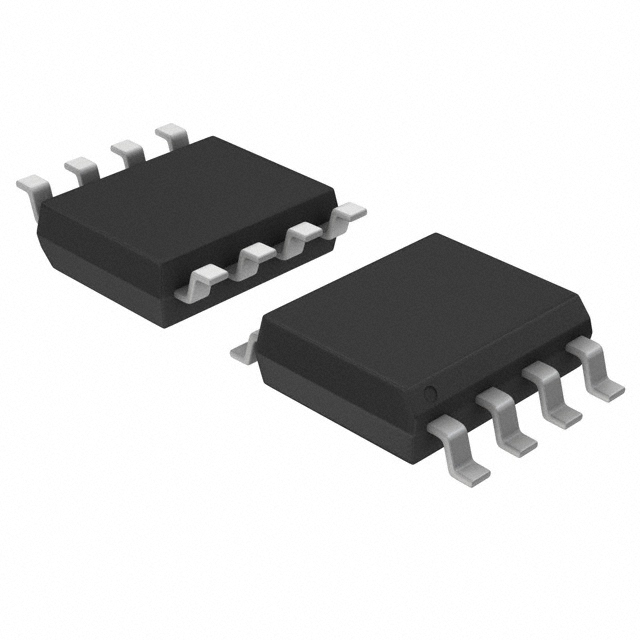
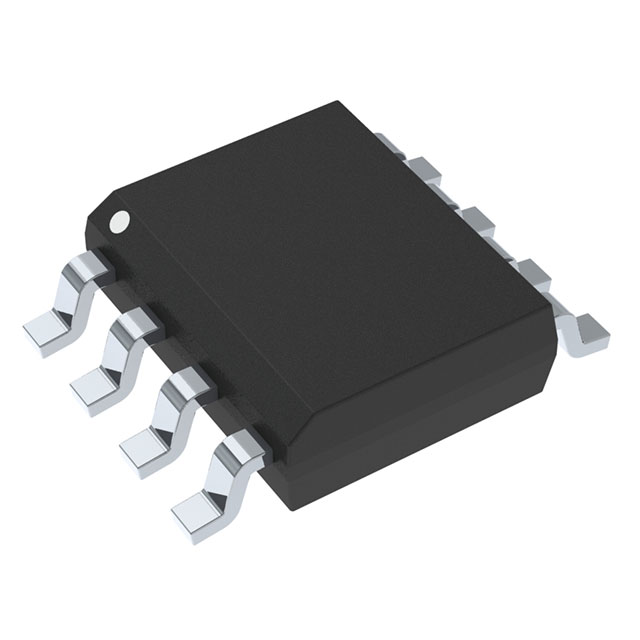
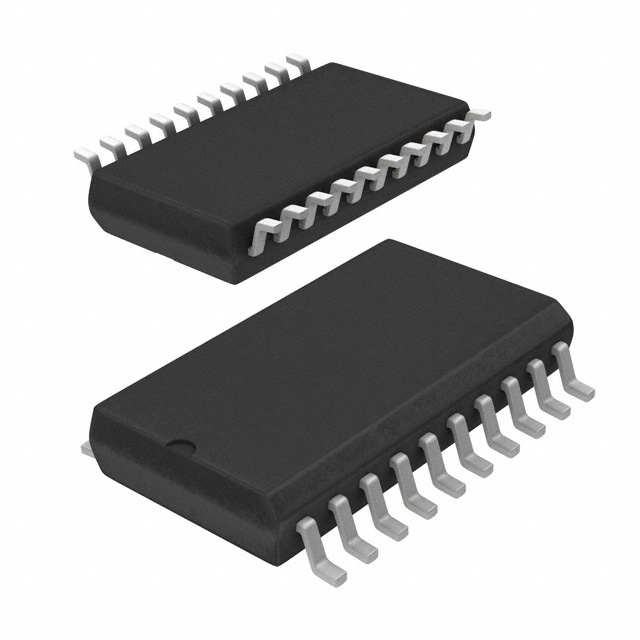
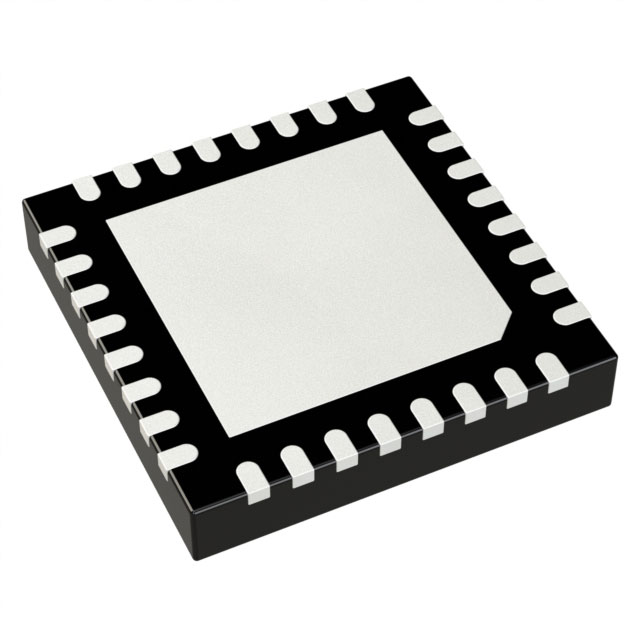
To control a stepper motor, a driver circuit is required to provide the appropriate current and sequencing signals to the motor windings. These driver circuits can be simple or complex, depending on the desired motor performance and the level of control required. There are also microcontrollers and specialized stepper motor driver chips available that simplify the control process.
In summary, a stepper motor is a precise and controllable electric motor that moves in discrete angular steps. It finds applications in various industries where precise positioning and control are essential. With their ability to hold position, high precision, and availability in different configurations, stepper motors have become an integral part of many automation and motion control systems.
Types of Stepper Motor
There are several types of stepper motors available, each with its characteristics and advantages. Here are the most common types of stepper motors:
1. Permanent Magnet Stepper Motor (PM): This is the most widely used type of stepper motor. It consists of a permanent magnet rotor and stator poles with concentrated windings. The rotor has multiple teeth that align with the stator poles. When the windings are energized, the rotor aligns itself with the magnetic field, resulting in precise step movement. PM stepper motors offer good torque and step resolution but may require higher current levels for operation.
2. Variable Reluctance Stepper Motor (VR): VR stepper motors have a rotor with teeth and a stator with salient poles. The rotor aligns itself with the stator poles by seeking the path of least reluctance. As the windings are energized, the rotor moves to minimize the air gap and achieve alignment. VR stepper motors are known for their simple construction, low cost, and high speed capabilities. However, they typically offer lower torque compared to other types.
3. Hybrid Stepper Motor: Hybrid stepper motors combine the features of both PM and VR stepper motors. They have a rotor with permanent magnets and teeth, as well as a stator with salient poles and concentrated windings. This design provides the benefits of both types, such as high torque, precise positioning, and good speed performance. Hybrid stepper motors are commonly used in applications that require a balance between torque and speed.
4. Unipolar Stepper Motor: Unipolar stepper motors have a center-tapped winding per phase. They are relatively easy to control compared to bipolar motors since they require only a single power supply and simple driving circuits. Unipolar motors typically offer lower torque and speed compared to bipolar motors but are suitable for applications where simplicity is prioritized.
5. Bipolar Stepper Motor: Bipolar stepper motors have two windings per phase and require more complex driving circuits. They offer higher torque and speed capabilities compared to unipolar motors. Bipolar motors can be driven using different modes, such as full-step, half-step, or micro-stepping, which allows for smoother motion and finer resolution.
6. Linear Stepper Motor: While most stepper motors provide rotary motion, linear stepper motors are designed to produce linear motion. They consist of a rotor and a stator arranged in a straight line. The rotor moves along the stator, providing precise linear positioning. Linear stepper motors find applications in systems such as linear stages, printers, and CNC machines where linear movement is required.
These different types of stepper motors offer a range of features and performance characteristics, allowing engineers and designers to choose the most suitable motor for their specific application requirements. Factors such as torque, speed, accuracy, cost, and complexity of control circuitry are important considerations when selecting a stepper motor type.
How Does a Stepper Motor Work?
Stepper motors work based on the principle of electromagnetism and use a sequential energizing of coils to produce precise mechanical rotation. Here's a step-by-step explanation of how a stepper motor works:
1. Structure: A stepper motor consists of a rotor, stator, and windings. The rotor is the rotating part of the motor, typically made up of a permanent magnet or teeth. The stator is the stationary part, containing poles that generate magnetic fields. The windings, which are coils of wire, are wound around the stator poles.
2. Pole Pairs: The number of poles on the stator and rotor determines the number of pole pairs. A pole pair consists of a north and south pole. Stepper motors can have different numbers of pole pairs, such as 2, 4, 6, or 8, depending on the design and requirements.
3. Phases: Stepper motors have multiple phases, which are sets of windings. Each phase has two windings, and the windings in each phase are typically placed 90 degrees apart around the stator. The most common types of stepper motors are bipolar, which have two phases and can be either unipolar or bipolar.
4. Sequencing: To rotate the stepper motor, the windings need to be energized in a specific sequence. The energizing sequence determines the direction and number of steps the motor will take. The most commonly used sequencing patterns are full-step, half-step, and micro-stepping.
5. Full-Step: In a full-step sequence, one phase is energized at a time, and the motor moves one step at a time. The sequence is typically 1-2-3-4 for a bipolar motor, where each number represents the winding that is energized. This sequence can be repeated in either direction to rotate the motor.
6. Half-Step: In a half-step sequence, two phases are energized simultaneously, creating smaller step increments. The sequence follows a pattern of 1-1-2-2-3-3-4-4, where the numbers represent the energized windings. This sequence provides finer resolution and smoother motion but requires more complex control.
7. Microstepping: Microstepping is a technique that further subdivides the steps by varying the current levels in the windings. It allows for even finer resolution and smoother motion. In micro-stepping, the current levels are adjusted in a sinusoidal or other waveform to create intermediate positions between the full and half steps.
8. Control Circuitry: To control the stepper motor, a driver circuit is used. The driver circuit provides the necessary current and sequencing signals to the motor windings. It interprets commands from a controller or microcontroller and generates the appropriate signals to energize the windings in the desired sequence.
9. Step Accuracy: The accuracy of a stepper motor's step movement depends on the number of pole pairs and the sequencing pattern used. A higher number of pole pairs and smaller steps (such as micro-stepping) result in finer resolution and increased accuracy.
By precisely energizing the windings in a specific sequence, the magnetic fields interact and cause the rotor to align with the changing fields, resulting in discrete angular steps. The sequence of energizing the windings can be controlled to rotate the motor in different directions and achieve precise positioning in a wide range of applications.
Stepper Motor Applications
Stepper motors find applications in various industries and technologies where precise motion control, positioning, and accuracy are required. Here are some common areas where stepper motors are extensively used:
1. Robotics: Stepper motors play a crucial role in robotics applications, ranging from industrial robots to smaller robotic arms and humanoid robots. They enable precise control of joint movements, allowing robots to perform tasks with accuracy and repeatability. Stepper motors are also used in robotic systems for tasks such as pick and place operations, 3D printing, and CNC machining.
2. Automation and Manufacturing: Stepper motors are widely employed in automation systems and manufacturing equipment. They are used in conveyors, linear actuators, and positioning stages to achieve precise movement and positioning of components. Stepper motors are also utilized in packaging machinery, textile machines, and assembly lines, where accurate and repeatable motion control is necessary.
3. 3D Printing: Stepper motors are a vital component in 3D printers. They drive the movement of the print head, the extruder, and the build platform. With their precise positioning capability, stepper motors allow for accurate layering and intricate designs in 3D printing.
4. CNC Machines: Computer Numerical Control (CNC) machines rely on stepper motors for precise control of the tool's movement. Stepper motors drive the linear and rotary axes of CNC machines, enabling precise cutting, milling, and engraving operations. The ability of stepper motors to provide accurate positioning and control is crucial for achieving high-quality and intricate machining.
5. Medical and Laboratory Equipment: Stepper motors are used in a wide range of medical and laboratory equipment. They are employed in devices such as blood analyzers, pipetting systems, robotic surgery systems, and imaging devices. Stepper motors provide the necessary precision and control required in these applications, ensuring accurate sample handling, fluid dispensing, and positioning.
6. Automotive Systems: Stepper motors have found their way into various automotive applications. They are used in fuel injection systems, HVAC systems, power windows, and automated seat adjustments. Stepper motors in automotive applications provide precise control and positioning, contributing to the overall comfort and functionality of the vehicle.
7. Camera Systems: Stepper motors are commonly used in camera systems to control lens focus, zooming, and aperture settings. They allow for precise and smooth adjustments, enhancing image quality and facilitating autofocus capabilities in digital cameras and professional photography equipment.
8. Textile and Sewing Machines: Stepper motors are utilized in textile and sewing machines to control the movement of the fabric, needles, and thread tension. They enable precise stitching patterns and accurate fabric handling, ensuring high-quality production in the textile industry.
9. Aerospace and Defense: Stepper motors are employed in aerospace and defense applications, such as satellite systems, antenna positioning, and unmanned aerial vehicles (UAVs). They provide accurate control and positioning for critical operations, including satellite tracking, payload deployment, and surveillance systems.
10. Scientific Instruments: Stepper motors are extensively used in scientific instruments, such as spectroscopy equipment, microscopy systems, and laboratory automation. They allow for precise movement and positioning of samples, stages, and optical components, contributing to accurate data acquisition and analysis.
These are just a few examples of the wide range of applications where stepper motors are used. Their ability to provide precise positioning, accuracy, and control has made them indispensable in numerous industries and technologies that rely on precise motion control and automation.

Related Articles
- ·Memory Chip Complete Guide: Definition, Manufacturers, Shortage, Manufacturing Process and Working Principles
- ·Fiber Optic Switch Guide: Definition, Connection Methods, Cabling, Disconnection and FAQ
- ·Optical Fiber Transmitter and Receiver Guide
- ·ICD Driver, LCD Driver & LCD Panel Driver Board Guide
- ·Touch Screen Overlay Guide for Commercial & Industrial Applications
- ·Cold Cathode Fluorescent Lamp Guide
- ·Complete Buying Guide for LED Video Walls & Commercial LED Displays
- ·The Complete Guide to Diode Lasers
- ·LED Emitter Guide: Definition, Brightness, Beam Angle, Soldering, Flashlight Upgrade, IR Usage and Grounding
- ·Inrush Current Limiter: Working Principle, Calculation, Selection Guide, and Motor / Capacitor Applications





.png?x-oss-process=image/format,webp/resize,h_32)


