
 German
 Japanese
 Portuguese
 Korea
Korea
 Mexico
 Dutch
Dutch


Analog Devices Inc.
HMC684LP4E


Why Choose Us?
Professional Platform
B2B & B2C purchasingDelivery at full speed
1-2 days deliveryWide variety
Original manufacturers365 days guarantee
Responsible quality

.png)


Tech Specifications
HMC684LP4E Description
HMC684LP4E Description
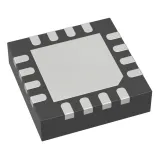
The HMC684LP4E from Analog Devices Inc. is a high-performance MMIC mixer with LO amplifier, designed for RF applications in the 700MHz to 1GHz frequency range. Packaged in a compact 24-QFN strip format, this surface-mount device integrates a single mixer and supports up/down conversion, making it suitable for LTE and WiMax systems. Operating at a 4.75V to 5.25V supply voltage with an 85mA current draw, it delivers a 7dB noise figure, ensuring efficient signal processing in demanding environments. Although marked as obsolete, its robust design and performance remain relevant for legacy or specialized designs.
HMC684LP4E Features
- Integrated LO Amplifier: Simplifies design by eliminating the need for an external LO driver.
- Low Noise Figure (7dB): Enhances signal integrity in sensitive receive chains.
- Wide Frequency Range (700MHz–1GHz): Supports LTE and WiMax applications.
- Compact 24-QFN Package: Ideal for space-constrained PCB layouts.
- Single 5V Supply Operation: Reduces power supply complexity.
- Moisture Sensitivity Level 1 (MSL1): Suitable for extended storage and handling.
HMC684LP4E Applications
This mixer is optimized for:
- LTE/WiMax Base Stations: Up/down conversion in RF front-ends.
- Military/Defense Systems: Reliable performance in harsh conditions.
- Test & Measurement Equipment: Precision signal analysis.
- Satellite Communications: Low-noise frequency translation.
Its obsolete status may limit new designs but makes it a cost-effective choice for maintenance or upgrades of existing systems.
Conclusion of HMC684LP4E
The HMC684LP4E offers a balance of performance, integration, and ease of use, particularly in LTE and WiMax applications. While newer alternatives may exist, its low noise figure, integrated LO amplifier, and rugged packaging ensure continued utility in legacy or niche deployments. Engineers should evaluate its obsolescence status but can leverage its strengths for stable, high-performance RF systems.
FAQ
Not available to buy online? Want the lower wholesale price? Please Send RFQ to get best price, we will respond immediately








.png?x-oss-process=image/format,webp/resize,h_32)


