
 German
 Japanese
 Portuguese
 Korea
Korea
 Mexico
 Dutch
Dutch


Analog Devices Inc./Maxim Integrated
DS1306EN


Why Choose Us?
Professional Platform
B2B & B2C purchasingDelivery at full speed
1-2 days deliveryWide variety
Original manufacturers365 days guarantee
Responsible quality

.png)



Tech Specifications
DS1306EN Description
DS1306EN Description
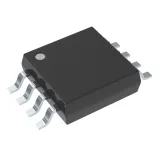
The DS1306EN is a real-time clock/calendar (RTC) IC manufactured by Analog Devices Inc./Maxim Integrated, designed for precision timekeeping in embedded systems. Housed in a 20-pin TSSOP package, it operates over a wide voltage range (2V to 5.5V) and features a 96-byte NV SRAM for data storage. The device communicates via SPI interface, ensuring compatibility with a broad range of microcontrollers. With a timekeeping current as low as 25.3µA, it is optimized for battery-backed applications, maintaining accurate time even during power interruptions.
DS1306EN Features
- Low Power Consumption: Operates at 25.3µA to 81µA (2V–5V), ideal for battery-powered systems.
- SPI Interface: Enables seamless integration with host controllers, offering faster data transfer compared to I²C alternatives.
- Wide Voltage Range: Supports 2V–5.5V for both main and battery supplies, enhancing flexibility in diverse applications.
- 96B NV SRAM: Provides non-volatile storage for critical data during power loss.
- 12/24-Hour Time Format: Configurable to meet regional or application-specific requirements.
- Surface-Mount Design: Compact 20-TSSOP package saves board space in space-constrained designs.
DS1306EN Applications
- Industrial Automation: Timestamping events in PLCs and control systems.
- Medical Devices: Ensuring accurate time logs in portable diagnostic equipment.
- Consumer Electronics: Used in smart appliances, digital recorders, and IoT edge devices.
- Automotive Systems: Backup RTC for infotainment and telematics units.
- Energy Metering: Time-based data logging in smart meters.
Conclusion of DS1306EN
The DS1306EN excels in low-power, high-reliability timekeeping, making it a robust choice for applications demanding precision and energy efficiency. Its SPI interface, NV SRAM, and wide voltage support distinguish it from generic RTCs, particularly in battery-operated and industrial systems. Though marked obsolete, its proven performance ensures continued relevance in legacy designs and niche applications requiring dependable timekeeping.
FAQ
Not available to buy online? Want the lower wholesale price? Please Send RFQ to get best price, we will respond immediately






.png?x-oss-process=image/format,webp/resize,h_32)


