German
 Japanese
 Portuguese
 Korea
 Mexico
 Dutch


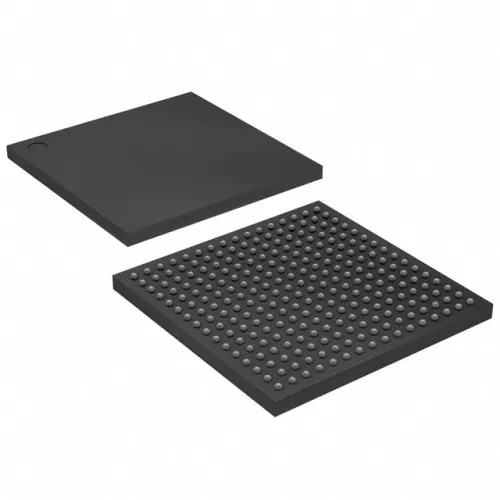
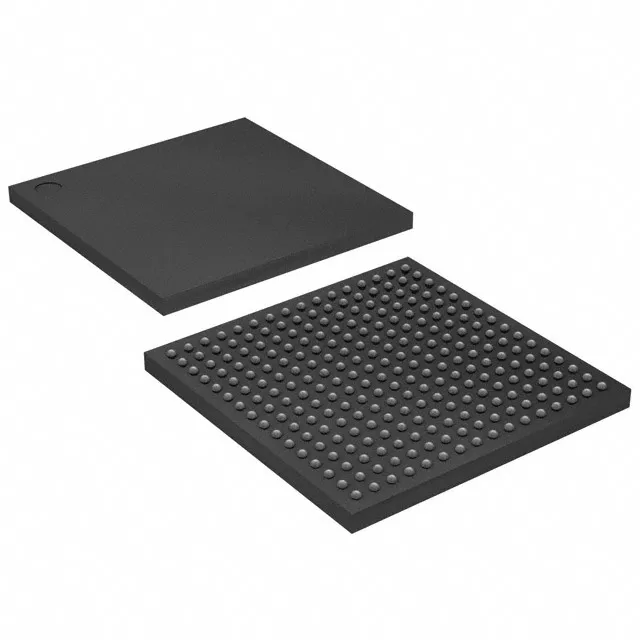
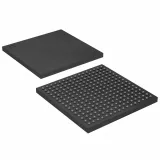
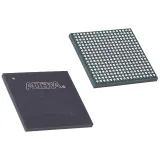
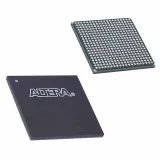
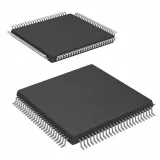
Images are for reference only. Product appearance may vary by batch. Refer to the product datasheet for exact specifications.
EP1C6F256I7N



Not available to buy online? Want the lower wholesale price? Please Send RFQ to get best price, we will respond immediately
Submit an RFQ for current pricing and lead time.

EP1C6F256I7N Description
EP1C6F256I7N
Key operational attribute: Mfr is verified at Altera under manufacturer standard test conditions.
Key operational attribute: Series is verified at Cyclone® under manufacturer standard test conditions.
Key operational attribute: Packaging is verified at Tray under manufacturer standard test conditions.
Key operational attribute: Part Status is verified at Obsolete under manufacturer standard test conditions.
Key operational attribute: Number of LABs/CLBs is verified at 598 under manufacturer standard test conditions.
Key operational attribute: Number of Logic Elements/Cells is verified at 5980 under manufacturer standard test conditions.
Key operational attribute: Total RAM Bits is verified at 92160 under manufacturer standard test conditions.
Key operational attribute: Number of I/O is verified at 185 under manufacturer standard test conditions.
Key operational attribute: Voltage - Supply is verified at 1.425V ~ 1.575V under manufacturer standard test conditions.
Intel's EP1C6F256I7N is a high-performance field-programmable gate array (FPGA) that offers a range of features and applications for various industries. Here is a description of the model, its features, and potential applications:
Model: EP1C6F256I7N
Description:
The EP1C6F256I7N is a member of Intel's Cyclone family of FPGAs, designed to provide a balance between power efficiency and performance. This mid-range FPGA is suitable for a wide range of applications, from industrial automation to telecommunications and consumer electronics.
Features:
-
Performance: The EP1C6F256I7N offers high-speed performance with a maximum operating frequency of up to 400 MHz. This makes it suitable for applications that require fast processing and real-time data handling.
-
Logic Elements: The FPGA features 256,000 logic elements, providing ample resources for complex designs and large-scale projects.
-
Memory Resources: The EP1C6F256I7N includes 18 M9K memory blocks, offering a total of 162,000 memory bits. This provides sufficient memory capacity for storing data and implementing various memory-intensive applications.
-
I/O Resources: The device offers a total of 672 I/O pins, allowing for flexible connectivity options and easy integration with other components and systems.
-
Power Efficiency: The Cyclone family of FPGAs is known for its power-efficient design, making the EP1C6F256I7N an ideal choice for applications where power consumption is a critical factor.
-
On-chip Debug and Test: The FPGA includes on-chip debug and test capabilities, simplifying the development and testing process for designers.
-
Configuration Memory: The EP1C6F256I7N features 32 Mbit configuration memory, allowing for flexible and non-volatile storage of configuration data.
Applications:
-
Industrial Automation: The EP1C6F256I7N can be used in industrial control systems, where real-time processing and high-speed data handling are crucial.
-
Telecommunications: The FPGA's high-speed performance and flexible I/O options make it suitable for telecommunications equipment, such as base stations and network infrastructure.
-
Consumer Electronics: The EP1C6F256I7N can be used in consumer electronics, such as set-top boxes, gaming consoles, and smart home devices, where high-speed processing and memory resources are required.
-
Automotive: The FPGA can be employed in automotive applications, such as infotainment systems, advanced driver assistance systems (ADAS), and in-vehicle networking.
-
Aerospace and Defense: The EP1C6F256I7N can be utilized in aerospace and defense applications, where high reliability, real-time processing, and power efficiency are essential.
In summary, Intel's EP1C6F256I7N is a versatile and powerful FPGA that offers a range of features suitable for various applications across different industries. Its high-speed performance, abundant logic elements, memory resources, and power efficiency make it an attractive choice for designers looking to implement complex and resource-intensive projects.