
 German
 Japanese
 Portuguese
 Korea
Korea
 Mexico
 Dutch
Dutch



Intel
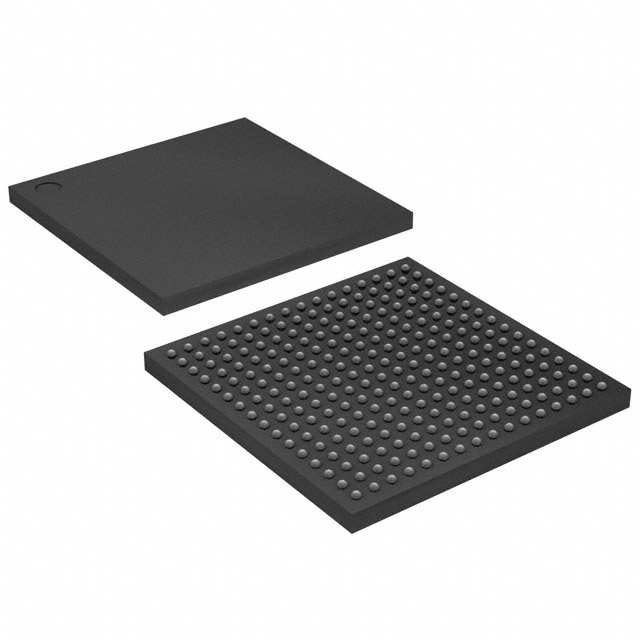
EP1K30FC256-1N


Why Choose Us?
Professional Platform
B2B & B2C purchasingDelivery at full speed
1-2 days deliveryWide variety
Original manufacturers365 days guarantee
Responsible quality

.png)


Tech Specifications
EP1K30FC256-1N Description
The Intel® FPGA PAC N3000 (EP1K30FC256-1N) is a powerful programmable acceleration card designed to deliver high-performance computing capabilities for a wide range of applications. This device is based on Intel's innovative eASIC technology, which combines the flexibility of FPGAs with the performance and low power consumption of ASICs.
Description:
The Intel® FPGA PAC N3000 (EP1K30FC256-1N) features a 28nm Intel® Arria® 10 FPGA, which provides a high level of programmability and customization for various applications. The device is available in a PCIe card form factor, making it easy to integrate into existing systems and infrastructures.
Features:
- High-performance 28nm Intel® Arria® 10 FPGA: The EP1K30FC256-1N is built on a 28nm process node, which enables high performance and low power consumption.
- PCIe interface: The device features a PCIe interface, allowing for seamless integration with existing systems and infrastructures.
- Versatile I/O options: The PAC N3000 offers a wide range of I/O options, including high-speed transceivers, GPIOs, and memory interfaces, to support various application requirements.
- eASIC integration: The device leverages Intel's eASIC technology, which provides a balance between the flexibility of FPGAs and the performance of ASICs.
- Support for Intel® FPGA SDK for OpenCL™: The PAC N3000 is compatible with the Intel® FPGA SDK for OpenCL™, enabling developers to create high-performance, power-efficient applications using the OpenCL programming language.
- Advanced power management: The device includes advanced power management features, such as dynamic frequency and voltage scaling, to optimize power consumption for different workloads.
Applications:
The Intel® FPGA PAC N3000 (EP1K30FC256-1N) is suitable for a wide range of applications, including:
- Artificial Intelligence (AI) and Machine Learning (ML): The PAC N3000 can be used to accelerate AI and ML workloads, such as neural network inference and training, providing high performance and low power consumption.
- High-performance Computing (HPC): The device can be employed in HPC applications, such as scientific simulations, data analytics, and cryptography, to deliver high computational throughput.
- Networking and Communications: The PAC N3000 can be utilized in networking and communications applications, such as packet processing, network security, and 5G infrastructure, to enhance performance and reduce latency.
- Video Processing: The device can be used for video processing applications, such as video encoding, decoding, and transcoding, to improve video quality and reduce bandwidth requirements.
- Automotive: The PAC N3000 can be employed in automotive applications, such as advanced driver assistance systems (ADAS) and in-vehicle infotainment systems, to enable real-time processing and decision-making.
In summary, the Intel® FPGA PAC N3000 (EP1K30FC256-1N) is a versatile and powerful programmable acceleration card that offers high performance, low power consumption, and a wide range of applications. Its integration of Intel's eASIC technology and support for the Intel® FPGA SDK for OpenCL™ make it an ideal choice for developers looking to create innovative, high-performance applications.
FAQ
Not available to buy online? Want the lower wholesale price? Please Send RFQ to get best price, we will respond immediately





.png?x-oss-process=image/format,webp/resize,h_32)


