
 German
 Japanese
 Portuguese
 Korea
Korea
 Mexico
 Dutch
Dutch



Microchip Technology
MIC2505BN


Why Choose Us?
Professional Platform
B2B & B2C purchasingDelivery at full speed
1-2 days deliveryWide variety
Original manufacturers365 days guarantee
Responsible quality

.png)



Tech Specifications
MIC2505BN Description
MIC2505BN Description
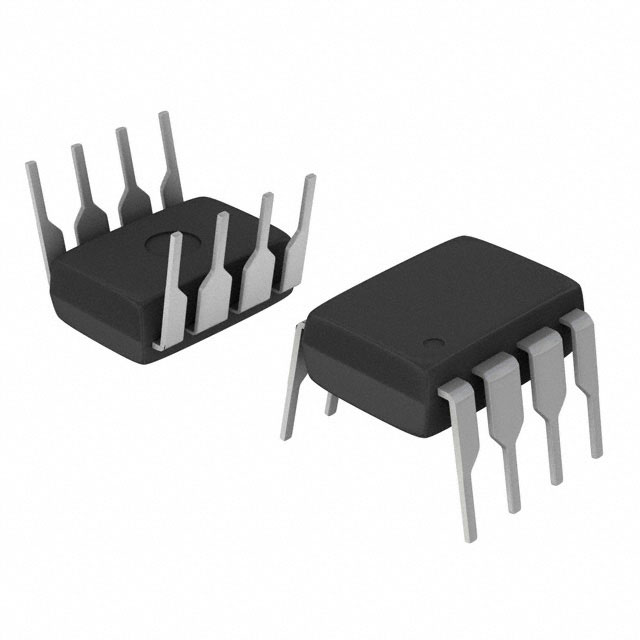
The MIC2505BN is a high-side power switch designed by Microchip Technology, a leading manufacturer in the electronics industry. This device is part of the Power Management Integrated Circuits (PMIC) category and is housed in a through-hole 8DIP package. The MIC2505BN is designed to deliver a maximum output current of 2A, making it suitable for applications requiring robust power delivery. The device operates with a load voltage range of 2.7V to 7.5V and features a 1:1 input-to-output ratio, ensuring efficient power transfer.
The MIC2505BN is characterized by its high-side output configuration, which allows for easy control and monitoring of the power supply. It also includes a slew rate controlled feature, which helps in managing the rate of change of the output voltage, thereby reducing electromagnetic interference (EMI) and improving overall system stability. Additionally, the device incorporates a status flag that provides real-time feedback on its operational state, enhancing system reliability.
MIC2505BN Features
- High-Side Output Configuration: The high-side configuration of the MIC2505BN allows for straightforward control and monitoring of the power supply, making it ideal for applications where precise power management is required.
- Slew Rate Controlled: This feature helps in managing the rate of change of the output voltage, reducing EMI and improving system stability.
- Status Flag: Provides real-time feedback on the operational state of the device, enhancing system reliability and enabling proactive maintenance.
- Fault Protection: The MIC2505BN includes comprehensive fault protection mechanisms such as current limiting (fixed), open load detection, over-temperature protection, and under-voltage lockout (UVLO). These features ensure the device operates safely and reliably under various conditions.
- Low Rds On (Typ): With a typical on-state resistance of 30mOhm, the MIC2505BN minimizes power loss and heat generation, contributing to high efficiency and prolonged device life.
- General Purpose Switch Type: The device is designed for general-purpose applications, making it versatile and suitable for a wide range of power management tasks.
- Moisture Sensitivity Level (MSL): The MSL rating of 1 (unlimited) indicates that the device is not sensitive to moisture, ensuring reliability in various environmental conditions.
- REACH Compliance: The MIC2505BN is REACH unaffected, ensuring compliance with environmental and safety regulations.
MIC2505BN Applications
The MIC2505BN is well-suited for a variety of applications that require reliable and efficient power management. Some specific use cases include:
- Consumer Electronics: Ideal for powering devices such as smartphones, tablets, and laptops, where precise control and monitoring of power supply are crucial.
- Industrial Equipment: Suitable for industrial applications where robust power delivery and fault protection are essential, such as in motor control systems and automated machinery.
- Automotive Systems: The device can be used in automotive applications for power distribution and control, ensuring reliable operation under varying load conditions.
- Telecommunications: The MIC2505BN can be employed in telecommunication infrastructure, such as base stations and routers, to manage power efficiently and safely.
Conclusion of MIC2505BN
The MIC2505BN is a versatile and reliable high-side power switch that offers a range of features and benefits suitable for various power management applications. Its high-side output configuration, slew rate control, status flag, and comprehensive fault protection mechanisms make it a robust solution for managing power efficiently and safely. The device's low Rds on and general-purpose switch type further enhance its efficiency and versatility. While the MIC2505BN is currently marked as obsolete, its technical specifications and performance benefits make it a valuable component for existing systems and legacy designs. For new projects, designers may consider its unique features and advantages over similar models to ensure optimal power management solutions.
FAQ
Not available to buy online? Want the lower wholesale price? Please Send RFQ to get best price, we will respond immediately







.png?x-oss-process=image/format,webp/resize,h_32)


