
 German
 Japanese
 Portuguese
 Korea
Korea
 Mexico
 Dutch
Dutch



Microchip Technology
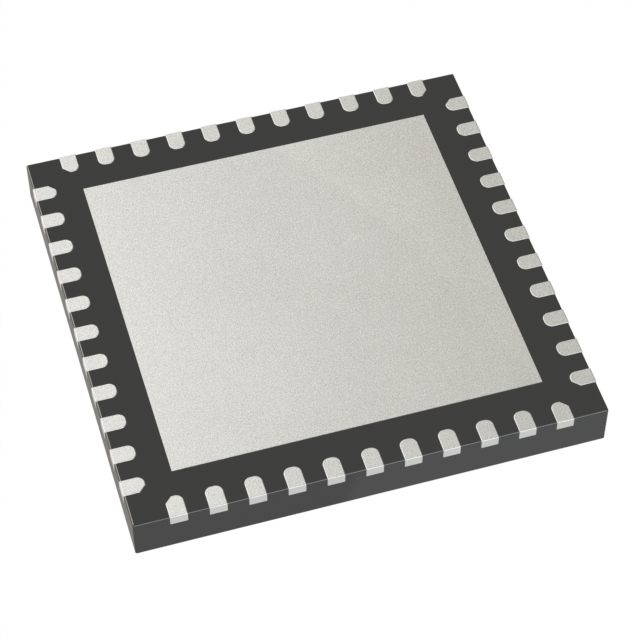
PIC18LF47K40-E/ML


Why Choose Us?
Professional Platform
B2B & B2C purchasingDelivery at full speed
1-2 days deliveryWide variety
Original manufacturers365 days guarantee
Responsible quality

.png)



Tech Specifications
PIC18LF47K40-E/ML Description
Microchip Technology's PIC18LF47K40-E/ML is a microcontroller unit (MCU) that belongs to the PIC18F series. It is a high-performance, 8-bit microcontroller with a wide range of features and capabilities, making it suitable for a variety of applications.
Description:
The PIC18LF47K40-E/ML is a 44-pin, flash-based microcontroller with a 16-bit instruction set and a clock frequency of up to 40 MHz. It features 128KB of Flash program memory, 16KB of RAM, and 2KB of EEPROM. The device also includes a variety of communication interfaces, including a Universal Serial Interface (USB), a Universal Asynchronous Receiver/Transmitter (UART), and a Serial Peripheral Interface (SPI).
Features:
- 8-bit microcontroller with 16-bit instruction set
- Clock frequency up to 40 MHz
- 128KB Flash program memory
- 16KB RAM
- 2KB EEPROM
- Universal Serial Interface (USB)
- Universal Asynchronous Receiver/Transmitter (UART)
- Serial Peripheral Interface (SPI)
- 10-bit Analog-to-Digital Converter (ADC)
- 8-channel Programmable Input/Output (PIO) pins
- On-chip debugging and programming capabilities
- Low-power sleep modes for energy efficiency
Applications:
The PIC18LF47K40-E/ML is suitable for a wide range of applications, including:
- Industrial control systems
- Medical devices
- Consumer electronics
- Automotive systems
- Communication systems
- Data acquisition and signal processing
- Internet of Things (IoT) devices
- Home automation systems
- Robotics and automation
- Embedded systems in general
In summary, the PIC18LF47K40-E/ML is a versatile and powerful microcontroller that offers a range of features and capabilities suitable for a variety of applications. Its high-performance 8-bit architecture, combined with its communication interfaces and on-chip debugging and programming capabilities, make it a popular choice for many embedded systems designers.
FAQ
Not available to buy online? Want the lower wholesale price? Please Send RFQ to get best price, we will respond immediately







.png?x-oss-process=image/format,webp/resize,h_32)


