
 German
 Japanese
 Portuguese
 Korea
Korea
 Mexico
 Dutch
Dutch




Why Choose Us?
Professional Platform
B2B & B2C purchasingDelivery at full speed
1-2 days deliveryWide variety
Original manufacturers365 days guarantee
Responsible quality

.png)


Tech Specifications
MTFC4GLGDQ-AIT Description
MTFC4GLGDQ-AIT Description
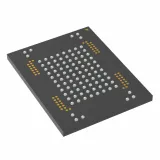
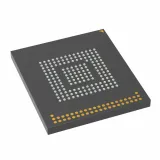
The MTFC4GLGDQ-AIT is a high-density 32Gbit (4GB) NAND Flash memory device from Micron Technology Inc., designed for embedded systems requiring reliable, high-performance storage. This e•MMC™-based solution integrates a 4G x 8 memory organization with an MMC interface, simplifying system design by combining flash memory and a controller in a single package. Operating within a 2.7V to 3.6V supply range, it is optimized for low-power applications while delivering robust performance. The device is RoHS3 compliant and adheres to ECCN 3A991B1A and HTSUS 8542.32.0071 regulations, making it suitable for global deployment.
MTFC4GLGDQ-AIT Features
- High-Capacity Storage: 32Gbit (4GB) density in a compact 100LBGA package, ideal for space-constrained designs.
- e•MMC™ Interface: Simplifies integration with host processors, reducing development time and BOM complexity.
- Wide Voltage Range: Supports 2.7V–3.6V, enabling use in battery-powered and low-power systems.
- Industrial-Grade Reliability: MSL 3 (168 hours) moisture sensitivity ensures durability in harsh environments.
- Obsolete Status: While no longer in production, it remains a viable option for legacy systems or specific OEM requirements.
MTFC4GLGDQ-AIT Applications
This memory IC is particularly suited for:
- Embedded Systems: Consumer electronics, IoT devices, and industrial automation where e•MMC™ simplifies storage integration.
- Legacy Upgrades: Retrofitting older designs requiring 4GB NAND Flash with MMC compatibility.
- Low-Power Devices: Portable medical equipment, handheld scanners, and energy-efficient telematics systems.
- Automotive Infotainment: Despite its obsolete status, it may still serve in non-safety-critical automotive storage applications.
Conclusion of MTFC4GLGDQ-AIT
The MTFC4GLGDQ-AIT offers a balanced combination of capacity, interface simplicity, and power efficiency, making it a pragmatic choice for legacy or niche applications. While newer alternatives may supersede it, its e•MMC™ integration and 4GB density ensure continued relevance in systems where design simplicity and proven reliability are prioritized. Engineers should evaluate availability and lifecycle status before selecting this solution for long-term projects.
FAQ
Not available to buy online? Want the lower wholesale price? Please Send RFQ to get best price, we will respond immediately







.png?x-oss-process=image/format,webp/resize,h_32)


