
 German
 Japanese
 Portuguese
 Korea
Korea
 Mexico
 Dutch
Dutch



Nexperia
74HCT245D,652


Why Choose Us?
Professional Platform
B2B & B2C purchasingDelivery at full speed
1-2 days deliveryWide variety
Original manufacturers365 days guarantee
Responsible quality

.png)


Tech Specifications
74HCT245D,652 Description
74HCT245D,652 Description
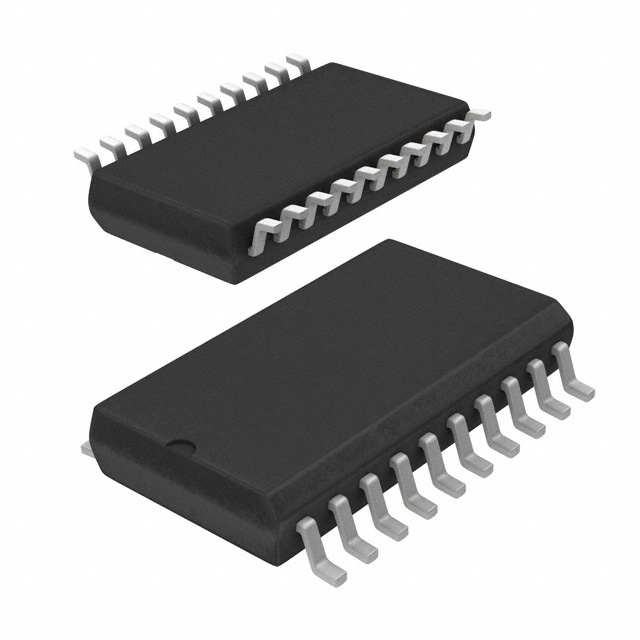
The 74HCT245D,652 is an 8-bit bidirectional transceiver from Nexperia's 74HCT series, designed for high-speed CMOS logic applications. Housed in a 20-pin SOIC package, this surface-mount device operates within a 4.5V to 5.5V supply range, making it compatible with TTL levels while offering low power consumption. It features non-inverting data transmission and is ROHS3 compliant, adhering to environmental standards. Though marked as obsolete, it remains relevant for legacy designs due to its reliability and performance in buffering, level shifting, and bus isolation applications.
74HCT245D,652 Features
- Bidirectional 8-bit transceiver with 6mA output current (sink/source), ensuring robust signal integrity.
- Wide voltage range (4.5V–5.5V) enables seamless interfacing with 5V TTL and CMOS systems.
- Low power consumption typical of HCT logic, reducing thermal load.
- High noise immunity and balanced propagation delays (≈13ns) for stable high-speed operation.
- MSL 1 (Unlimited) moisture sensitivity, simplifying storage and handling.
- REACH unaffected and EAR99 classified, ensuring compliance with global regulations.
74HCT245D,652 Applications
Ideal for data bus buffering and bidirectional communication in mixed-voltage systems, this transceiver excels in:
- Microcontroller interfacing: Isolates and level-shifts signals between 5V peripherals and 3.3V MCUs.
- Industrial control systems: Provides noise-resistant signal transmission in PLCs and motor drives.
- Automotive electronics: Used in legacy CAN/LIN bus networks for signal conditioning.
- Test equipment: Facilitates bidirectional data flow in diagnostic tools.
Conclusion of 74HCT245D,652
The 74HCT245D,652 offers a proven solution for bidirectional data transfer in 5V systems, combining TTL compatibility, low power, and high noise margins. While obsolete, its reliability in industrial, automotive, and embedded systems ensures continued use in maintenance and legacy upgrades. Engineers value its simplicity and performance in isolating bus segments or bridging voltage domains. For new designs, consider Nexperia's active alternatives, but this IC remains a cost-effective choice for existing applications.
FAQ
Not available to buy online? Want the lower wholesale price? Please Send RFQ to get best price, we will respond immediately






.png?x-oss-process=image/format,webp/resize,h_32)


