
 German
 Japanese
 Portuguese
 Korea
Korea
 Mexico
 Dutch
Dutch


STMicroelectronics
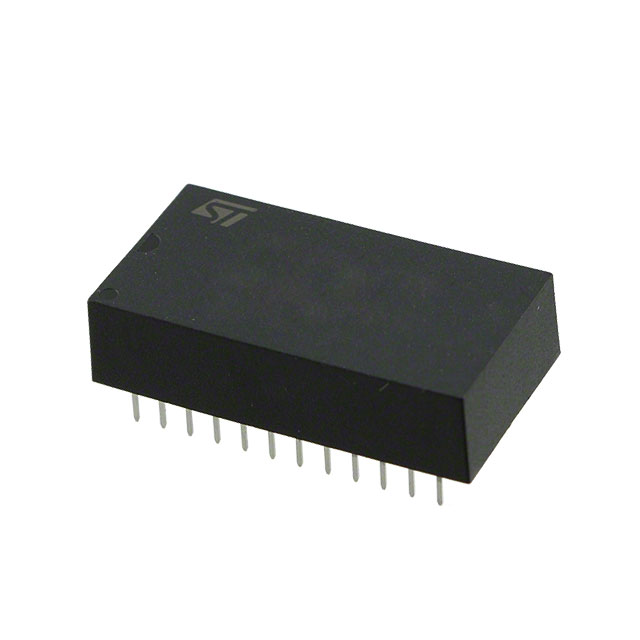
M48T86PC1

Why Choose Us?
Professional Platform
B2B & B2C purchasingDelivery at full speed
1-2 days deliveryWide variety
Original manufacturers365 days guarantee
Responsible quality

.png)



Tech Specifications
M48T86PC1 Description
M48T86PC1 Description
The M48T86PC1 from STMicroelectronics is an obsolete but robust Real-Time Clock (RTC) and Calendar IC designed for embedded systems requiring precise timekeeping and non-volatile storage. Housed in a 24-DIP through-hole package, this parallel-interface device integrates a 114B NVSRAM for data retention, ensuring reliability even during power loss. Operating within a 4.5V to 5.5V supply range, it consumes a maximum of 15mA during timekeeping, making it suitable for low-to-moderate power applications. Its 0°C to 70°C operating temperature range aligns with industrial and commercial use cases.
M48T86PC1 Features
- Clock/Calendar Functionality: Supports 12/24-hour time format (HH:MM:SS) with leap-year compensation, ensuring long-term accuracy.
- Integrated NVSRAM: Combines RTC with 114B of non-volatile SRAM for critical data storage.
- Advanced Features: Includes alarm functionality, square wave output, and battery-backed operation for uninterrupted timekeeping.
- Robust Compliance: ROHS3-compliant and REACH-unaffected, meeting environmental standards.
- Parallel Interface: Simplifies integration with legacy systems compared to serial alternatives.
M48T86PC1 Applications
- Industrial Automation: Ideal for timestamping events in PLCs or control systems.
- Legacy Embedded Systems: Suited for retrofits or designs requiring through-hole mounting and parallel interfacing.
- Medical Devices: Reliable timekeeping for diagnostic equipment where power resilience is critical.
- Telecom Infrastructure: Backup timing for network switches/routers during power disruptions.
Conclusion of M48T86PC1
While obsolete, the M48T86PC1 remains a viable choice for applications demanding high reliability, NVSRAM integration, and parallel interface simplicity. Its alarm, leap-year correction, and battery-backed operation distinguish it from basic RTCs, though modern designs may favor newer serial-interface alternatives. For legacy systems or specific industrial needs, this IC offers a proven balance of precision and durability.
FAQ
Not available to buy online? Want the lower wholesale price? Please Send RFQ to get best price, we will respond immediately










.png?x-oss-process=image/format,webp/resize,h_32)


