
 German
 Japanese
 Portuguese
 Korea
Korea
 Mexico
 Dutch
Dutch


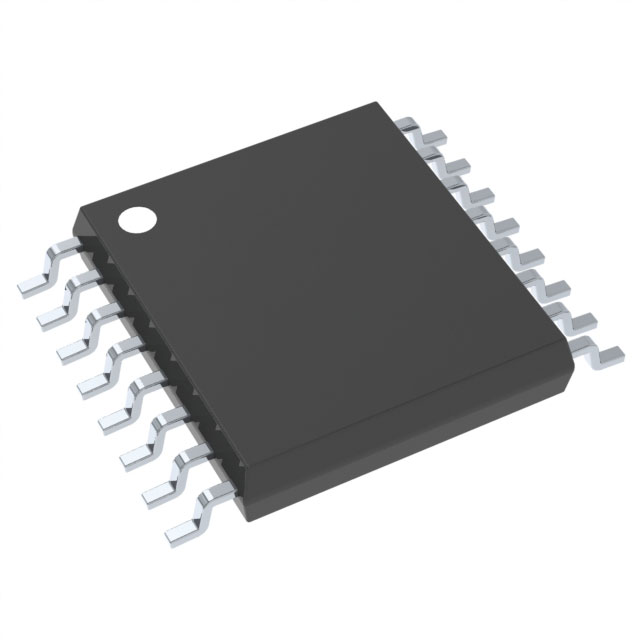

Texas Instruments
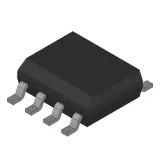
ADC108S022CIMT/NOPB


Why Choose Us?
Professional Platform
B2B & B2C purchasingDelivery at full speed
1-2 days deliveryWide variety
Original manufacturers365 days guarantee
Responsible quality

.png)


Tech Specifications
ADC108S022CIMT/NOPB Description
The Texas Instruments ADC108S022CIMT/NOPB is a high-performance, 12-bit, successive approximation register (SAR) analog-to-digital converter (ADC) that is designed for use in a wide range of applications.
Description:
The ADC108S022CIMT/NOPB is a monolithic, 12-bit, SAR ADC that operates from a single 5V supply. It features a through-hole, 28-pin Multi-Pin Package (MFP) with exposed pad. The device is designed to provide high resolution and accuracy, with a maximum sampling rate of 200 kSPS.
Features:
- 12-bit resolution
- Successive approximation register (SAR) architecture
- Single 5V supply
- Through-hole, 28-pin Multi-Pin Package (MFP) with exposed pad
- Maximum sampling rate of 200 kSPS
- Programmable gain amplifier (PGA) with eight gain settings
- Input multiplexer with eight single-ended or four differential inputs
- On-chip track-and-hold circuit
- Low power consumption
- I2C and SPI serial interfaces
Applications:
The ADC108S022CIMT/NOPB is suitable for a wide range of applications, including but not limited to:
- Industrial control systems
- Medical equipment
- Power monitoring systems
- Battery monitoring systems
- Data acquisition systems
- Measurement and control systems
- Automotive control systems
- Building automation systems
- Consumer electronics
In summary, the Texas Instruments ADC108S022CIMT/NOPB is a high-performance, 12-bit SAR ADC that offers high resolution and accuracy, making it suitable for a wide range of applications. Its features, such as a programmable gain amplifier, input multiplexer, and low power consumption, make it an ideal choice for industrial control systems, medical equipment, and other applications where high precision and accuracy are required.
FAQ
| Quantity | Unit Price | Ext. Price |
|---|---|---|
| 1+ | $4.32172 | $4.32 |
| 10+ | $3.69943 | $36.99 |
| 30+ | $3.32915 | $99.87 |
Not available to buy online? Want the lower wholesale price? Please Send RFQ to get best price, we will respond immediately












.png?x-oss-process=image/format,webp/resize,h_32)


