
 German
 Japanese
 Portuguese
 Korea
Korea
 Mexico
 Dutch
Dutch



Texas Instruments
ADS2807Y


Why Choose Us?
Professional Platform
B2B & B2C purchasingDelivery at full speed
1-2 days deliveryWide variety
Original manufacturers365 days guarantee
Responsible quality

.png)



Tech Specifications
ADS2807Y Description
ADS2807Y Description
The ADS2807Y is a dual 12-bit, 50 million samples per second (MSPS) analog-to-digital converter (ADC) designed by Texas Instruments. This high-performance ADC features simultaneous sampling, making it ideal for applications requiring precise and synchronized data acquisition. The ADS2807Y is equipped with two A/D converters, each capable of handling differential and single-ended inputs, providing flexibility in signal acquisition. The device operates with a 5V analog supply and a digital supply voltage ranging from 3V to 5V, ensuring compatibility with a variety of power sources.
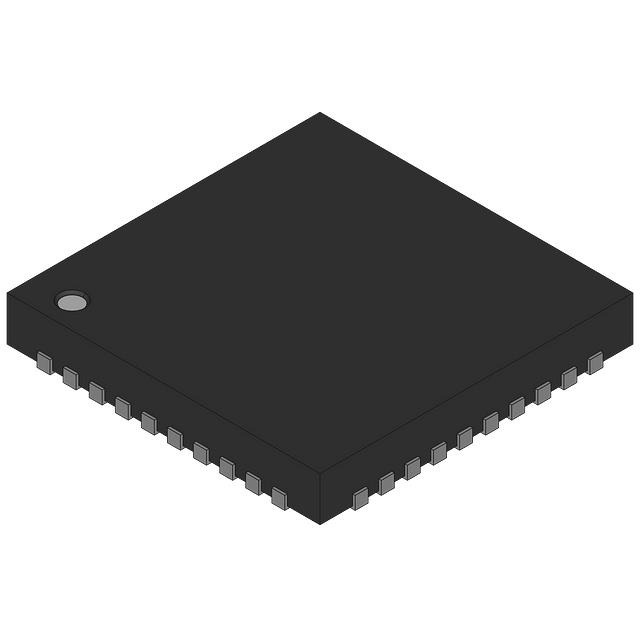
The ADS2807Y employs a pipelined architecture, which contributes to its high sampling rate and efficient data processing. It supports both external and internal reference types, offering users the option to optimize performance based on their specific application requirements. The data interface is parallel, facilitating straightforward integration with other digital systems. The device is available in a surface-mount package, making it suitable for compact and space-constrained designs.
ADS2807Y Features
- Dual 12-bit ADCs: The ADS2807Y features two 12-bit ADCs, each capable of sampling at a rate of 50 MSPS. This high sampling rate ensures rapid and accurate data acquisition.
- Simultaneous Sampling: The simultaneous sampling capability allows for precise synchronization of data from multiple channels, which is crucial for applications such as radar systems and high-speed instrumentation.
- Flexible Input Types: The ADC supports both differential and single-ended inputs, providing versatility in signal acquisition and compatibility with various sensor types.
- Wide Supply Voltage Range: The digital supply voltage range of 3V to 5V ensures compatibility with different power sources, enhancing the device's adaptability.
- Pipelined Architecture: The pipelined architecture enables efficient data processing and high throughput, making the ADS2807Y suitable for demanding applications.
- Parallel Data Interface: The parallel data interface simplifies integration with other digital systems, ensuring seamless data transfer.
- Surface-Mount Packaging: The surface-mount package is ideal for compact designs, allowing for efficient use of space on printed circuit boards.
ADS2807Y Applications
The ADS2807Y is well-suited for a variety of high-speed data acquisition applications, including:
- Radar Systems: The simultaneous sampling and high sampling rate make the ADS2807Y ideal for radar systems that require precise and synchronized data capture.
- High-Speed Instrumentation: The device's high performance and flexibility in input types make it suitable for high-speed instrumentation applications where accurate and rapid data acquisition is critical.
- Medical Imaging: The ADS2807Y can be used in medical imaging equipment, such as ultrasound and MRI systems, where high-speed data acquisition and precise synchronization are essential.
- Telecommunications: The device's high sampling rate and parallel data interface make it suitable for telecommunications applications, including signal processing and data transmission.
Conclusion of ADS2807Y
The ADS2807Y is a high-performance dual 12-bit ADC that offers significant advantages over similar models due to its simultaneous sampling capability, flexible input types, and pipelined architecture. Its high sampling rate and compatibility with various power sources make it suitable for a wide range of applications, including radar systems, high-speed instrumentation, medical imaging, and telecommunications. While the ADS2807Y is now considered obsolete, its technical specifications and performance benefits continue to make it a valuable component for legacy systems and specific applications where its unique features are required.
FAQ
Not available to buy online? Want the lower wholesale price? Please Send RFQ to get best price, we will respond immediately









.png?x-oss-process=image/format,webp/resize,h_32)


