
 German
 Japanese
 Portuguese
 Korea
Korea
 Mexico
 Dutch
Dutch


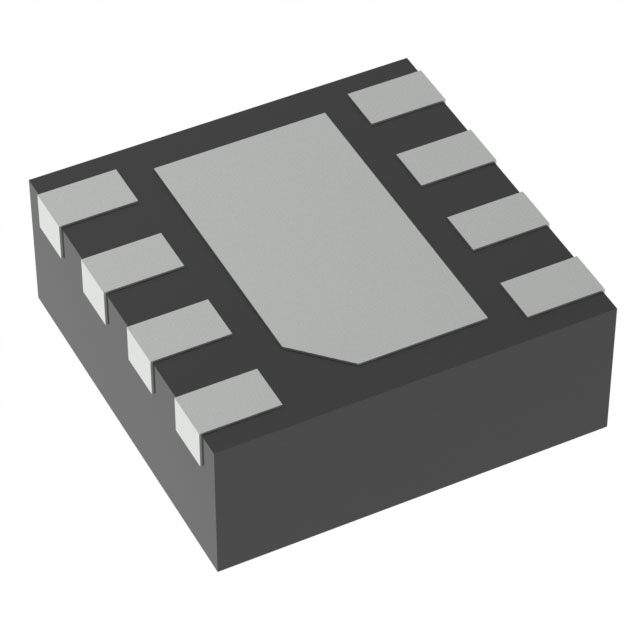

Texas Instruments
DAC43401DSGR


Why Choose Us?
Professional Platform
B2B & B2C purchasingDelivery at full speed
1-2 days deliveryWide variety
Original manufacturers365 days guarantee
Responsible quality

.png)


Tech Specifications
DAC43401DSGR Description
The DAC43401DSGR is a high-performance digital-to-analog converter (DAC) from Texas Instruments. It is a 16-bit, 4-channel DAC that offers high accuracy and low distortion for a wide range of applications.
Description:
The DAC43401DSGR is a monolithic, 16-bit, 4-channel, current-output digital-to-analog converter with an on-chip output amplifier. It operates from a single 5V supply and features a low power consumption of only 130mW. The device uses a serial interface for digital data input and a parallel interface for analog output.
Features:
- 16-bit resolution with no missing codes
- 4-channel output with independent current outputs
- On-chip output amplifier for easy integration
- Low power consumption of only 130mW
- Single 5V supply operation
- Serial interface for digital data input
- Parallel interface for analog output
- Wide operating temperature range of -40°C to +105°C
Applications:
The DAC43401DSGR is suitable for a wide range of applications where high accuracy and low distortion are required. Some of the key applications include:
- Audio processing and filtering
- Medical equipment
- Industrial control systems
- Test and measurement equipment
- Power management systems
- Automotive control systems
- Consumer electronics
In summary, the DAC43401DSGR is a high-performance, low-power digital-to-analog converter that offers excellent accuracy and low distortion. Its 16-bit resolution, 4-channel output, and on-chip output amplifier make it suitable for a wide range of applications in audio processing, medical equipment, industrial control systems, and more.
FAQ
| Quantity | Unit Price | Ext. Price |
|---|---|---|
| 1+ | $0.96172 | $0.96 |
| 10+ | $0.85200 | $8.52 |
| 30+ | $0.74743 | $22.42 |
Not available to buy online? Want the lower wholesale price? Please Send RFQ to get best price, we will respond immediately








.png?x-oss-process=image/format,webp/resize,h_32)


