
 German
 Japanese
 Portuguese
 Korea
Korea
 Mexico
 Dutch
Dutch


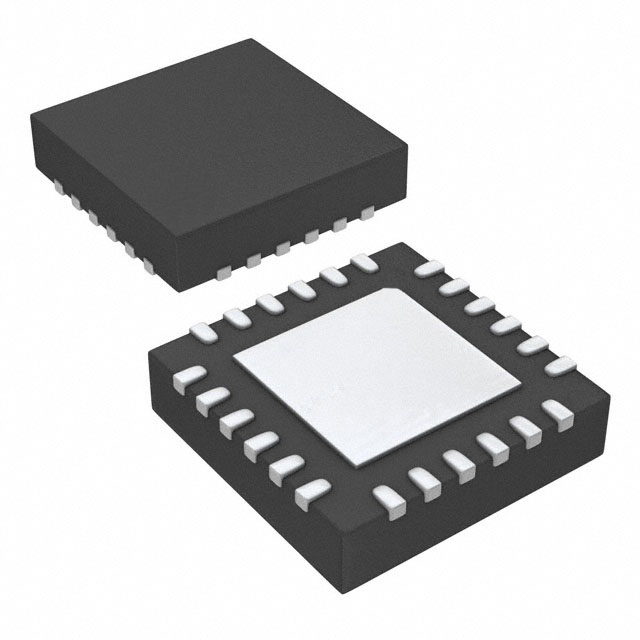

Texas Instruments
LM5039SQ/NOPB


Why Choose Us?
Professional Platform
B2B & B2C purchasingDelivery at full speed
1-2 days deliveryWide variety
Original manufacturers365 days guarantee
Responsible quality

.png)


Tech Specifications
LM5039SQ/NOPB Description
The Texas Instruments LM5039SQ/NOPB is a high-efficiency synchronous step-down (buck) regulator that offers a wide input voltage range and tight output voltage regulation. It is designed for use in a variety of applications, including automotive, industrial, and telecom systems.
Description:
The LM5039SQ/NOPB is a highly integrated, high-efficiency synchronous step-down regulator that provides a wide input voltage range of 4.5V to 60V. It features a tight output voltage regulation of ±1% and is capable of delivering up to 3A of continuous output current. The device is available in a compact 20-pin HTSSOP package.
Features:
- Wide input voltage range: 4.5V to 60V
- Tight output voltage regulation: ±1%
- High efficiency: up to 97%
- Capable of delivering up to 3A of continuous output current
- Synchronous rectification for improved efficiency
- Programmable soft-start
- Over-current protection
- Thermal shutdown protection
- Under-voltage lockout
- Available in a compact 20-pin HTSSOP package
Applications:
- Automotive systems: infotainment, lighting, and power management
- Industrial systems: motor control, sensor power supplies, and programmable logic controllers
- Telecommunication systems: base stations, routers, and switches
- Portable devices: smartphones, tablets, and laptops
- Medical equipment: portable and wearable devices
- Consumer electronics: smart home devices, gaming consoles, and set-top boxes
The LM5039SQ/NOPB is a versatile and efficient step-down regulator that can be used in a wide range of applications requiring tight output voltage regulation and high efficiency. Its wide input voltage range and compact form factor make it suitable for both portable and stationary applications.
FAQ
Not available to buy online? Want the lower wholesale price? Please Send RFQ to get best price, we will respond immediately








.png?x-oss-process=image/format,webp/resize,h_32)


