
 German
 Japanese
 Portuguese
 Korea
Korea
 Mexico
 Dutch
Dutch


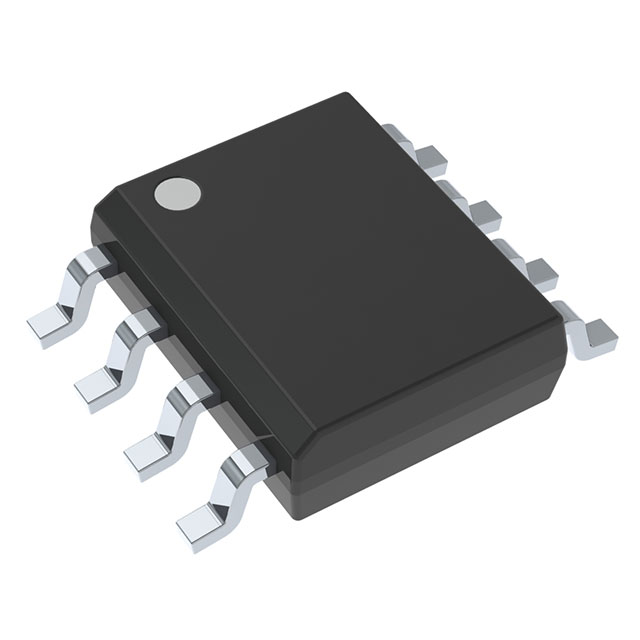

Texas Instruments
LM56CIM/NOPB


Why Choose Us?
Professional Platform
B2B & B2C purchasingDelivery at full speed
1-2 days deliveryWide variety
Original manufacturers365 days guarantee
Responsible quality

.png)


Tech Specifications
LM56CIM/NOPB Description
The LM56CIM/NOPB is a high-precision temperature sensor manufactured by Texas Instruments. It is designed to provide accurate temperature measurements over a wide range of operating conditions.
Description:
The LM56CIM/NOPB is a digital temperature sensor that uses a 3-wire interface to communicate with a microcontroller or other digital system. It is available in a small, surface-mount package, making it ideal for use in compact, portable devices.
Features:
- High precision: The LM56CIM/NOPB provides accurate temperature measurements with a resolution of 0.5°C.
- Wide operating range: The sensor can operate over a temperature range of -40°C to +125°C.
- 3-wire interface: The sensor uses a simple 3-wire interface, making it easy to integrate into a digital system.
- Low power consumption: The LM56CIM/NOPB has a low power consumption of less than 100µA, making it suitable for battery-powered applications.
- Programmable temperature alert: The sensor can be programmed to generate an alert when the temperature exceeds a user-defined threshold.
- SMBus/I2C compatible: The sensor is compatible with the SMBus/I2C communication protocol, allowing it to be easily integrated into systems that use this protocol.
Applications:
The LM56CIM/NOPB is suitable for a wide range of applications that require accurate temperature measurements. Some potential applications include:
- Industrial control systems
- HVAC systems
- Medical equipment
- Battery management systems
- Automotive applications
- Temperature monitoring in data centers
Overall, the LM56CIM/NOPB is a versatile and accurate temperature sensor that is well-suited for a variety of applications. Its small size, low power consumption, and compatibility with the SMBus/I2C protocol make it an attractive choice for designers looking to incorporate temperature sensing into their systems.
FAQ
Not available to buy online? Want the lower wholesale price? Please Send RFQ to get best price, we will respond immediately










.png?x-oss-process=image/format,webp/resize,h_32)


