
 German
 Japanese
 Portuguese
 Korea
Korea
 Mexico
 Dutch
Dutch


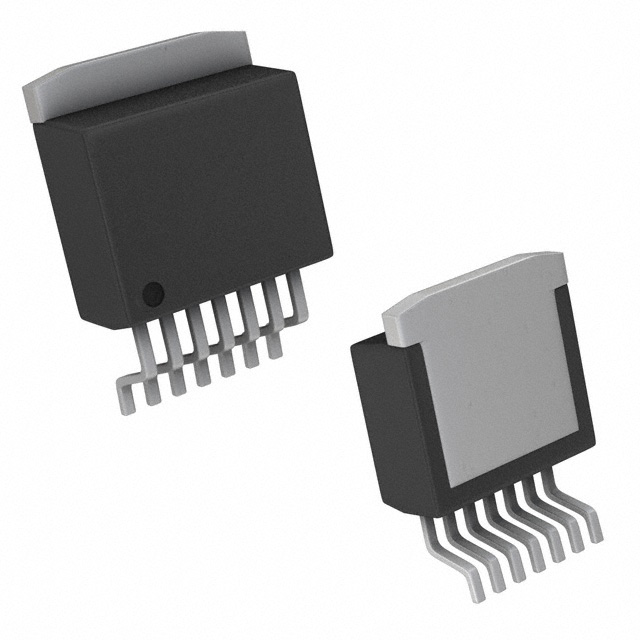

Texas Instruments
OPA551FA/500


Why Choose Us?
Professional Platform
B2B & B2C purchasingDelivery at full speed
1-2 days deliveryWide variety
Original manufacturers365 days guarantee
Responsible quality

.png)


Tech Specifications
OPA551FA/500 Description
The OPA551FA/500 is a high-performance operational amplifier (op-amp) from Texas Instruments. It is designed to provide excellent DC and AC performance in a wide range of applications.
Description:
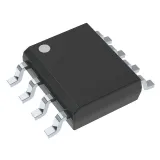
The OPA551FA/500 is a precision, low-noise, dual operational amplifier with a wide bandwidth and low input offset voltage. It is available in a compact 8-pin SOIC package and is specified over the extended industrial temperature range of -40°C to +125°C.
Features:
Some of the key features of the OPA551FA/500 include:
- Low input offset voltage: 1µV max (B grade), 250µV max (A grade)
- Low input bias current: 1pA max (B grade), 100fA max (A grade)
- Wide bandwidth: 40MHz typical (short circuit gain = 1)
- Low noise: 5.2nV/√Hz typical
- Low supply current: 3.2mA (max)
- Low output noise: 50nV (rms)
- High output drive: 20V/µs (typical)
- Available in 8-pin SOIC package
Applications:
The OPA551FA/500 is suitable for a wide range of applications, including:
- Audio and video equipment: The low noise and low distortion characteristics make it ideal for use in high-fidelity audio and video equipment.
- Medical equipment: The low input offset voltage and low drift make it suitable for use in precision medical equipment.
- Industrial control systems: The wide bandwidth and low output noise make it suitable for use in industrial control systems.
- Test and measurement equipment: The low input offset voltage and low drift make it suitable for use in precision test and measurement equipment.
- Automotive applications: The extended temperature range and low supply current make it suitable for use in automotive applications.
In summary, the OPA551FA/500 is a high-performance operational amplifier that offers excellent DC and AC performance, making it suitable for a wide range of applications. Its low input offset voltage, low input bias current, and low noise characteristics make it an ideal choice for precision applications.
FAQ
Not available to buy online? Want the lower wholesale price? Please Send RFQ to get best price, we will respond immediately






.png?x-oss-process=image/format,webp/resize,h_32)


