
 German
 Japanese
 Portuguese
 Korea
Korea
 Mexico
 Dutch
Dutch



Texas Instruments
SN74LVC2G04DRLR


Why Choose Us?
Professional Platform
B2B & B2C purchasingDelivery at full speed
1-2 days deliveryWide variety
Original manufacturers365 days guarantee
Responsible quality

.png)


Tech Specifications
SN74LVC2G04DRLR Description
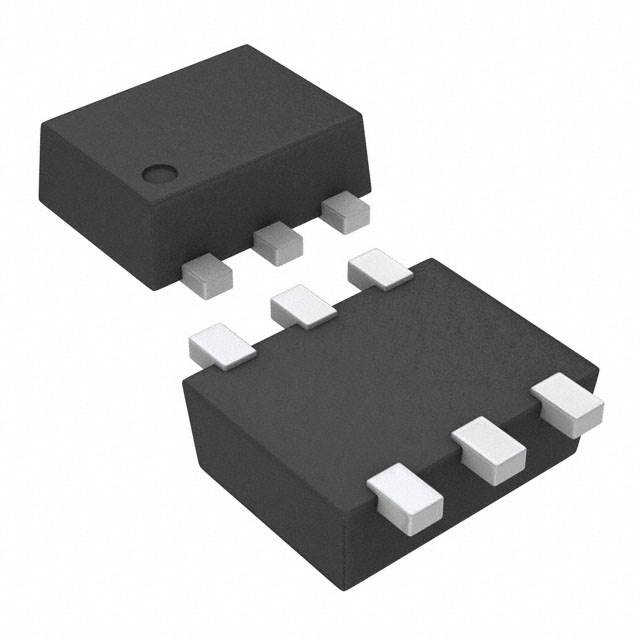
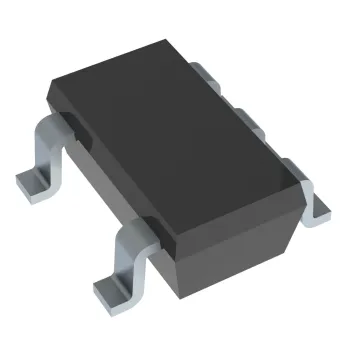
The SN74LVC2G04DRLR is a dual non-inverting buffer from Texas Instruments. It is a high-speed Si-gate CMOS device that provides two independent non-inverting buffer functions in a single package. The device is designed to provide high performance and low power consumption, making it suitable for a wide range of applications.
Description:
The SN74LVC2G04DRLR is a dual non-inverting buffer that provides two independent non-inverting buffer functions in a single package. It is a high-speed Si-gate CMOS device that offers high performance and low power consumption. The device is available in a small-outline, surface-mount package, making it suitable for use in compact and space-constrained applications.
Features:
- Dual non-inverting buffer functions
- High-speed Si-gate CMOS technology
- Low power consumption
- Wide operating voltage range (1.65V to 3.6V)
- Available in a small-outline, surface-mount package
Applications:
The SN74LVC2G04DRLR is suitable for a wide range of applications, including:
- Digital signal processing
- Data buffering and level shifting
- Line drivers and receivers
- High-speed data transmission systems
- Low-power battery-operated devices
- Industrial control systems
- Consumer electronics
In summary, the SN74LVC2G04DRLR is a versatile dual non-inverting buffer that offers high performance and low power consumption. Its small-outline, surface-mount package makes it suitable for use in a wide range of applications, from digital signal processing to low-power battery-operated devices.
FAQ
| Quantity | Unit Price | Ext. Price |
|---|---|---|
| 1+ | $0.62057 | $0.62 |
| 10+ | $0.52457 | $5.25 |
| 30+ | $0.45772 | $13.73 |
| 100+ | $0.40115 | $40.12 |
| 500+ | $0.38400 | $192.00 |
Not available to buy online? Want the lower wholesale price? Please Send RFQ to get best price, we will respond immediately








.png?x-oss-process=image/format,webp/resize,h_32)


