
 German
 Japanese
 Portuguese
 Korea
Korea
 Mexico
 Dutch
Dutch


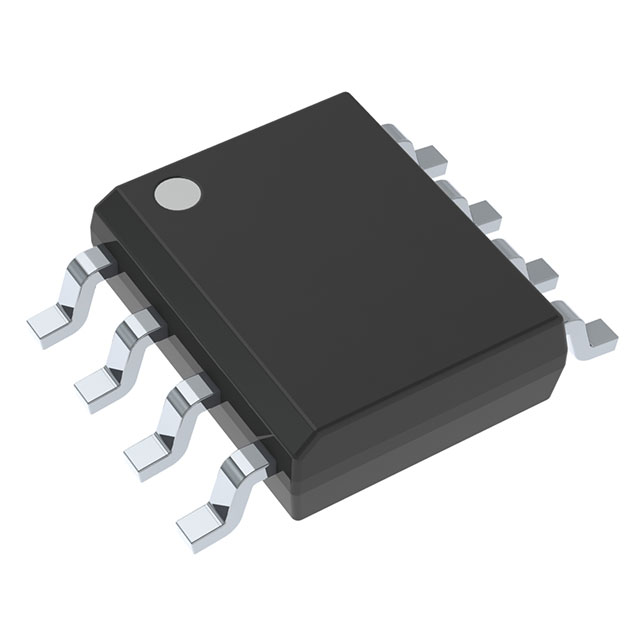

Texas Instruments
TL317CDR


Why Choose Us?
Professional Platform
B2B & B2C purchasingDelivery at full speed
1-2 days deliveryWide variety
Original manufacturers365 days guarantee
Responsible quality

.png)


Tech Specifications
TL317CDR Description
The Texas Instruments TL317CDR is a precision adjustable voltage regulator integrated circuit (IC) that is designed to provide a stable and adjustable output voltage over a wide range of input voltages and load currents. The TL317CDR is a member of the TL317 series of voltage regulators, which are known for their high performance and versatility.
Description:
The TL317CDR is a three-terminal adjustable voltage regulator that uses a single external resistor to set the output voltage. It has a fixed output voltage range of 1.25V to 37V, which makes it suitable for a wide range of applications. The TL317CDR also has a low dropout voltage, which means it can provide a stable output voltage even when the input voltage is close to the output voltage.
Features:
- Adjustable output voltage range of 1.25V to 37V
- Low dropout voltage
- High output current capability (up to 1.5A)
- Internal short-circuit protection
- Thermal overload protection
- Low quiescent current (typically 100µA)
- Wide operating temperature range (-40°C to +125°C)
Applications:
The TL317CDR is a versatile voltage regulator that can be used in a wide range of applications, including:
- Power supplies for electronic devices
- Battery charging circuits
- Voltage regulation for laboratory equipment
- Voltage regulation for industrial control systems
- Voltage regulation for telecommunications equipment
- Voltage regulation for automotive electronics
Overall, the Texas Instruments TL317CDR is a high-performance adjustable voltage regulator that offers a wide range of features and applications. Its adjustable output voltage, low dropout voltage, and high output current capability make it an ideal choice for a variety of electronic circuits and systems.
FAQ
Not available to buy online? Want the lower wholesale price? Please Send RFQ to get best price, we will respond immediately







.png?x-oss-process=image/format,webp/resize,h_32)


