
 German
 Japanese
 Portuguese
 Korea
Korea
 Mexico
 Dutch
Dutch



Texas Instruments
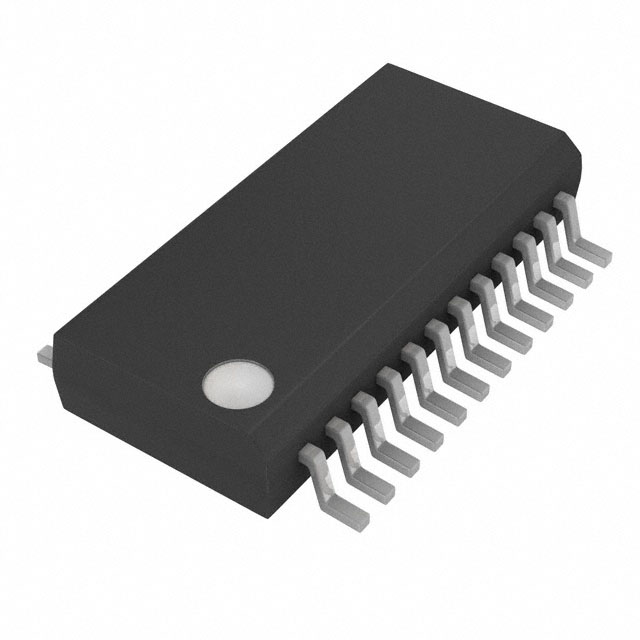
TLC5928DBQR


Why Choose Us?
Professional Platform
B2B & B2C purchasingDelivery at full speed
1-2 days deliveryWide variety
Original manufacturers365 days guarantee
Responsible quality

.png)


Tech Specifications
TLC5928DBQR Description
The TLC5928DBQR is a 24-channel constant current LED driver from Texas Instruments. It is designed to drive high-current LEDs with a constant current source, providing precise control over the brightness and color of the LEDs.
Description:
The TLC5928DBQR is a monolithic constant current sink driver that can drive up to 24 channels of LEDs. It is available in a 48-pin QFN package and operates from a supply voltage range of 3.8V to 33V. The device features a high-efficiency, step-down LED driver topology that provides a constant current output for each channel.
Features:
- 24-channel constant current sink driver
- High-efficiency step-down LED driver topology
- Independent current regulation for each channel
- Wide supply voltage range of 3.8V to 33V
- Adjustable output current up to 60mA per channel
- Programmable dimming control with PWM or analog inputs
- Short-circuit and over-temperature protection
- I2C interface for configuration and control
- Small 48-pin QFN package
Applications:
The TLC5928DBQR is suitable for a wide range of applications that require precise control over high-current LEDs, including:
- LED lighting systems for automotive, industrial, and consumer applications
- LED backlighting for LCD displays
- LED signage and billboards
- LED art installations and architectural lighting
- LED medical and scientific instruments
In summary, the TLC5928DBQR is a versatile and efficient LED driver that provides precise control over high-current LEDs. Its features make it suitable for a wide range of applications, from automotive lighting to LED art installations.
FAQ
| Quantity | Unit Price | Ext. Price |
|---|---|---|
| 1+ | $1.00972 | $1.01 |
| 10+ | $0.98572 | $9.86 |
| 30+ | $0.96857 | $29.06 |
Not available to buy online? Want the lower wholesale price? Please Send RFQ to get best price, we will respond immediately








.png?x-oss-process=image/format,webp/resize,h_32)


