
 German
 Japanese
 Portuguese
 Korea
Korea
 Mexico
 Dutch
Dutch




Texas Instruments
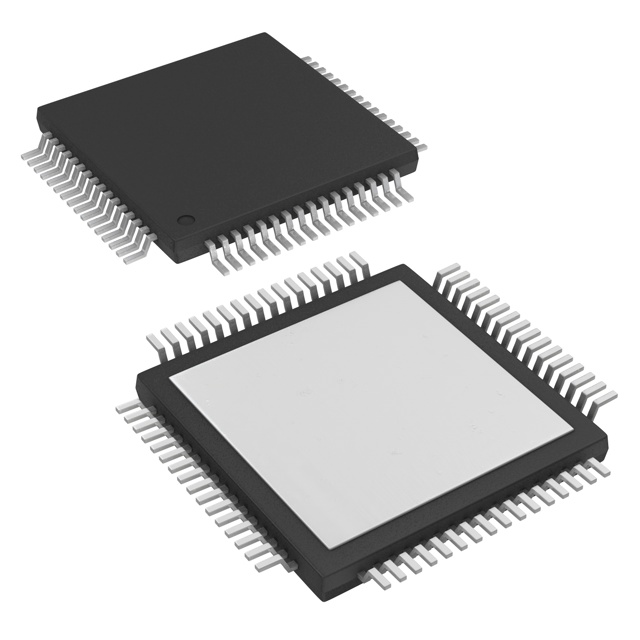
TLK1201AIRCP


Why Choose Us?
Professional Platform
B2B & B2C purchasingDelivery at full speed
1-2 days deliveryWide variety
Original manufacturers365 days guarantee
Responsible quality

.png)



Tech Specifications
TLK1201AIRCP Description
TLK1201AIRCP Description
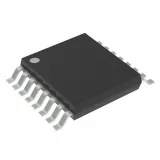
The TLK1201AIRCP from Texas Instruments is a high-performance full-duplex transceiver designed for IEEE 802.3 compliant communication systems. Packaged in a 64HVQFP tray, this surface-mount IC operates within a 2.3V to 2.7V supply range, making it suitable for low-power applications. Despite its obsolete status, it remains a reliable choice for legacy systems requiring robust data transmission. The device is ROHS3 compliant and REACH unaffected, ensuring adherence to environmental regulations. With a Moisture Sensitivity Level (MSL) of 3 (168 hours), it demands careful handling during assembly.
TLK1201AIRCP Features
- Single-Channel Operation: Integrates 1 driver and 1 receiver, simplifying point-to-point communication.
- Low-Voltage Design: Optimized for 2.3V–2.7V operation, reducing power consumption in high-speed networks.
- Full-Duplex Support: Enables simultaneous bidirectional data transfer, enhancing throughput.
- IEEE 802.3 Compliance: Ensures compatibility with standard Ethernet protocols.
- Robust Packaging: 64HVQFP offers thermal and mechanical stability for demanding environments.
- Regulatory Compliance: Meets 5A991B1 (ECCN) and HTSUS 8542.39.0001 standards for global deployment.
TLK1201AIRCP Applications
- Legacy Networking Equipment: Ideal for older switches, routers, and hubs requiring IEEE 802.3 support.
- Industrial Communication: Used in factory automation systems where full-duplex reliability is critical.
- Telecom Infrastructure: Supports backplane and line-card interfaces in obsolete telecom hardware.
- Embedded Systems: Suitable for low-power, high-speed data links in industrial control modules.
Conclusion of TLK1201AIRCP
The TLK1201AIRCP transceiver excels in low-voltage, full-duplex applications, offering a balance of performance and compliance. While obsolete, its IEEE 802.3 adherence, robust packaging, and regulatory certifications make it a pragmatic choice for maintaining or upgrading legacy systems. Engineers valuing reliability and standardization will find it a dependable solution for industrial and telecom applications. For new designs, consider TI’s active alternatives, but for existing deployments, this transceiver remains a technically sound option.
FAQ
Not available to buy online? Want the lower wholesale price? Please Send RFQ to get best price, we will respond immediately









.png?x-oss-process=image/format,webp/resize,h_32)


