German
 Japanese
 Portuguese
 Korea
 Mexico
 Dutch


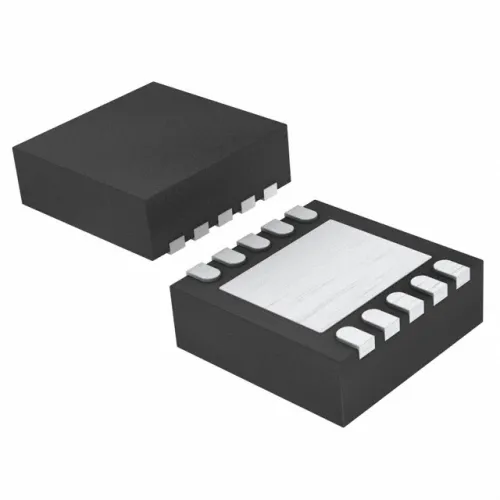
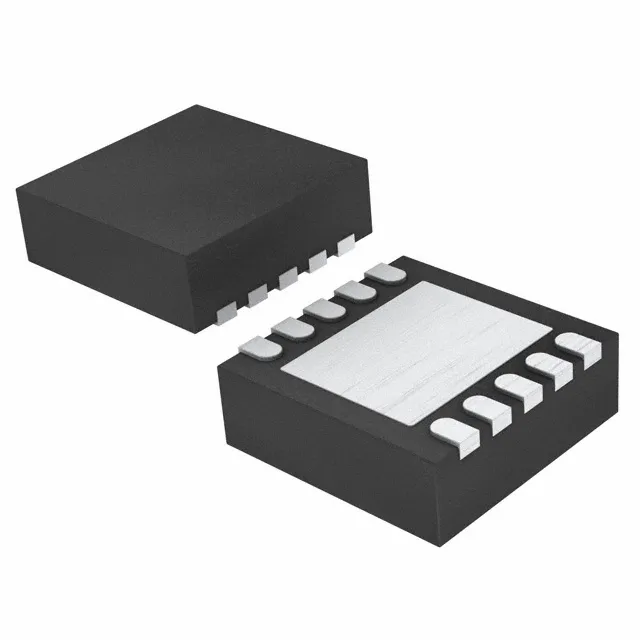
Images are for reference only. Product appearance may vary by batch. Refer to the product datasheet for exact specifications.
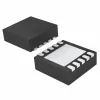
TPS63900DSKR




TPS63900DSKR Description
TPS63900DSKR
Key operational attribute: Mfr is verified at Texas Instruments under manufacturer standard test conditions.
Key operational attribute: Packaging is verified at Tape & Reel (TR) / Cut Tape (CT) under manufacturer standard test conditions.
Key operational attribute: Part Status is verified at Active under manufacturer standard test conditions.
Key operational attribute: Function is verified at Step-Up/Step-Down under manufacturer standard test conditions.
Key operational attribute: Output Configuration is verified at Positive under manufacturer standard test conditions.
Key operational attribute: Topology is verified at Buck-Boost under manufacturer standard test conditions.
Key operational attribute: Output Type is verified at Programmable under manufacturer standard test conditions.
Key operational attribute: Number of Outputs is verified at 1 under manufacturer standard test conditions.
Key operational attribute: Voltage - Input (Min) is verified at 1.8V under manufacturer standard test conditions.
TPS63900DSKR is a development kit from Texas Instruments (TI) designed to help engineers evaluate and develop applications using the TPS63900, a highly integrated, single-cell lithium-ion (Li-ion) battery management controller. Here's a description of the TPS63900DSKR, its features, and potential applications:
Description:
The TPS63900DSKR is a complete development kit that includes the TPS63900 battery management controller, a comprehensive software package, and a hardware platform for prototyping and testing. The kit is designed to provide a convenient and efficient way for engineers to develop and test battery management solutions for various applications.
Features:
- Highly Integrated Controller: The TPS63900 is a highly integrated battery management controller that includes a microcontroller, power management circuits, and protection features.
- Wide Input Voltage Range: The TPS63900 supports a wide input voltage range (2.5V to 5.5V), making it suitable for various power sources.
- Multiple Protection Features: The controller offers multiple protection features, including overcharge, over-discharge, overcurrent, and short-circuit protection.
- I2C Communication Interface: The TPS63900 features an I2C communication interface for easy integration with other components in a battery management system.
- Battery Gauge: The controller includes a battery gauge that provides accurate state-of-charge (SoC) and state-of-health (SoH) estimations.
- Development Kit: The TPS63900DSKR includes a development board with the TPS63900 controller, a Li-ion battery, and various connectors for easy prototyping and testing.
- Software Package: The kit comes with a software package that includes a GUI-based configuration tool, example code, and documentation to help engineers quickly get started with development.
Applications:
- Portable Electronics: The TPS63900DSKR can be used to develop battery management solutions for portable electronic devices, such as smartphones, tablets, and laptops.
- IoT Devices: The development kit is suitable for creating battery management systems for IoT devices, which often require accurate battery monitoring and protection.
- Wearable Devices: The TPS63900DSKR can be used to develop battery management solutions for wearable devices, such as smartwatches and fitness trackers.
- Medical Devices: The development kit can be utilized to create battery management systems for portable medical devices that require precise battery monitoring and protection.
- Industrial Equipment: The TPS63900DSKR can be used to develop battery management solutions for industrial equipment that relies on Li-ion batteries, such as handheld tools and portable instruments.
In summary, the TPS63900DSKR is a versatile development kit from Texas Instruments that enables engineers to design and test battery management solutions for a wide range of applications. Its features, such as a highly integrated controller, multiple protection features, and a user-friendly software package, make it an excellent choice for developing reliable and efficient battery management systems.