
 German
 Japanese
 Portuguese
 Korea
Korea
 Mexico
 Dutch
Dutch



Texas Instruments
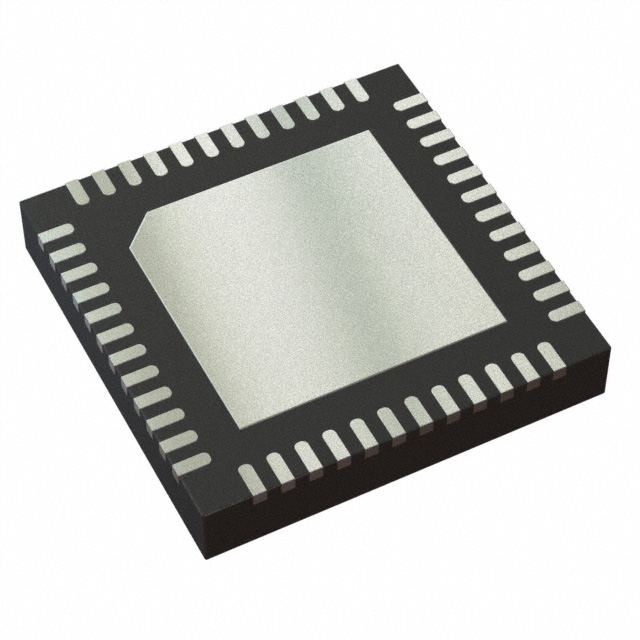
TPS659106A1RSL


Why Choose Us?
Professional Platform
B2B & B2C purchasingDelivery at full speed
1-2 days deliveryWide variety
Original manufacturers365 days guarantee
Responsible quality

.png)


Tech Specifications
TPS659106A1RSL Description
The Texas Instruments TPS659106A1RSL is a highly integrated power management IC (PMIC) designed for use in a variety of applications, including portable devices, IoT devices, and other battery-powered systems.
Description:
The TPS659106A1RSL is a compact, highly efficient PMIC that integrates multiple power management functions into a single chip. It features a high-efficiency buck-boost converter, LDO regulators, and a power path management controller. The device is available in a small, thermally enhanced QFN package, making it ideal for space-constrained applications.
Features:
- High-efficiency buck-boost converter with a wide input voltage range (2.5V to 5.5V) and adjustable output voltage (1.2V to 5.5V).
- Four LDO regulators with adjustable output voltages for precise voltage regulation.
- Power path management controller for efficient power distribution and load switching.
- Integrated battery charge management with programmable charging current and voltage limits.
- Thermal and current protection features to ensure safe operation.
- Small, thermally enhanced QFN package for space-constrained applications.
Applications:
- Portable devices, such as smartphones, tablets, and wearables.
- IoT devices, including smart home appliances, industrial sensors, and connected devices.
- Battery-powered systems, such as drones, robotics, and remote monitoring equipment.
- Automotive applications, including infotainment systems, telematics, and advanced driver assistance systems (ADAS).
- Medical devices, such as wearable health monitors and portable diagnostic equipment.
In summary, the Texas Instruments TPS659106A1RSL is a versatile and efficient power management IC that offers a range of features and functions to support various applications. Its compact size and high efficiency make it an ideal choice for designers looking to optimize power management in their battery-powered systems.
FAQ
Not available to buy online? Want the lower wholesale price? Please Send RFQ to get best price, we will respond immediately











.png?x-oss-process=image/format,webp/resize,h_32)


