
 German
 Japanese
 Portuguese
 Korea
Korea
 Mexico
 Dutch
Dutch


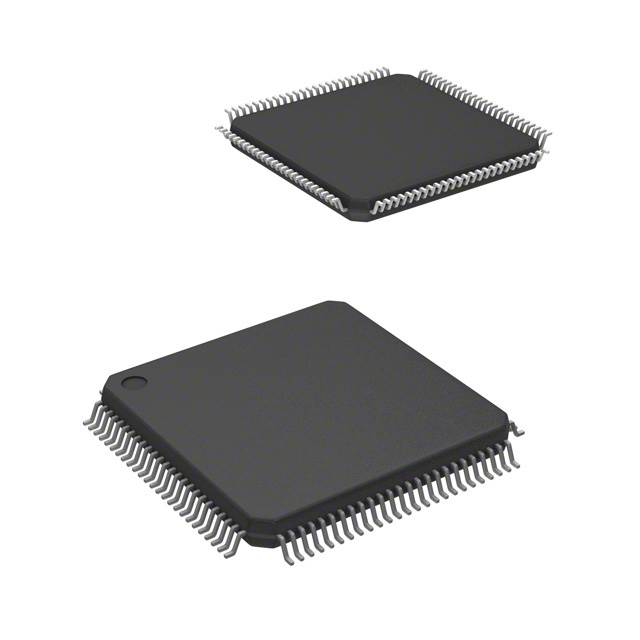

Texas Instruments
X4MF04207SPZQQ1


Why Choose Us?
Professional Platform
B2B & B2C purchasingDelivery at full speed
1-2 days deliveryWide variety
Original manufacturers365 days guarantee
Responsible quality

.png)


Tech Specifications
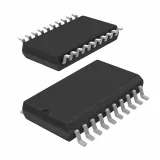
X4MF04207SPZQQ1 Description
Texas Instruments X4MF04207SPZQQ1 is a high-performance integrated circuit designed for use in various industrial and automotive applications. This device is a 4-channel, high-current, low-dropout (LDO) voltage regulator that provides stable and reliable power supply to sensitive electronic components.
Description:
The X4MF04207SPZQQ1 is a monolithic, low-dropout voltage regulator that can provide up to 4A of continuous output current per channel. It features a wide input voltage range of 4.75V to 60V, making it suitable for a variety of power supply sources. The device is available in a compact 16-pin QFN package, making it ideal for space-constrained applications.
Features:
- 4-channel, high-current LDO voltage regulator
- Wide input voltage range: 4.75V to 60V
- Output current per channel: up to 4A
- Low dropout voltage: 600mV maximum at full load
- High efficiency: up to 96% at light loads
- Ultra-low quiescent current: 65µA maximum
- Programmable output voltage: adjustable from 0.8V to 5.5V
- Short-circuit protection, thermal shutdown, and overcurrent protection
- Compact 16-pin QFN package
Applications:
- Industrial control systems
- Automotive electronics
- Telecommunications equipment
- Networking devices
- Medical equipment
- Power management in battery-powered devices
- High-current load-point regulation in distributed power systems
- Motor driver circuits
The Texas Instruments X4MF04207SPZQQ1 is a versatile and efficient solution for providing stable power supply to various electronic components in a wide range of applications. Its high-current capability, low dropout voltage, and advanced protection features make it an ideal choice for demanding industrial and automotive environments.
FAQ
Not available to buy online? Want the lower wholesale price? Please Send RFQ to get best price, we will respond immediately











.png?x-oss-process=image/format,webp/resize,h_32)


