
 German
 Japanese
 Portuguese
 Korea
Korea
 Mexico
 Dutch
Dutch
CAV24C128
The CAV24C128 is a 128 Kbit serial EEPROM from onsemi, designed for reliable data storage in low-power applications. It features a 2-wire I²C-compatible interface operating at up to 400 kHz, enabling efficient communication with microcontrollers and other digital systems. The device supports both standard and fast-mode I²C protocols, ensuring compatibility across a wide range of embedded platforms.
This memory offers 16,384 bytes of user memory organized into 128 pages of 128 bytes each, allowing for flexible data handling and page-wise write operations. Its endurance specification includes 1 million write/erase cycles, making it suitable for applications requiring frequent updates or long-term data retention. Data retention is guaranteed for up to 100 years, ensuring robustness over extended operational lifetimes.
The CAV24C128 operates across a wide supply voltage range of 1.7 V to 5.5 V, supporting both 1.8 V and 3.3 V logic levels, which enhances its versatility in mixed-voltage systems. It includes built-in write protection via hardware pin control and software-based address locking mechanisms, preventing accidental overwrites or unauthorized access. Additionally, the chip incorporates an internal power-on reset circuit that ensures stable operation during power transitions.
Designed for high-reliability environments, the CAV24C128 meets JEDEC standards and is available in a space-saving 8-pin DIP and SO packages. It is ideal for use in consumer electronics, industrial control systems, automotive applications, and medical devices where non-volatile memory is essential for configuration data, calibration settings, or firmware storage. Its low power consumption and robust error-handling features make it well-suited for battery-powered or energy-constrained designs.
The device also supports multi-chip addressing through unique slave addresses, allowing multiple CAV24C128s to be connected on the same I²C bus without conflicts. This feature simplifies system design in complex embedded applications requiring distributed memory management. With no external pull-up resistors required due to integrated internal pull-ups, the component reduces board complexity and cost while maintaining signal integrity.
Related Parts
| Part # | Manufacturer | Description | Availability | Pricing | Quantity |
|---|---|---|---|---|---|
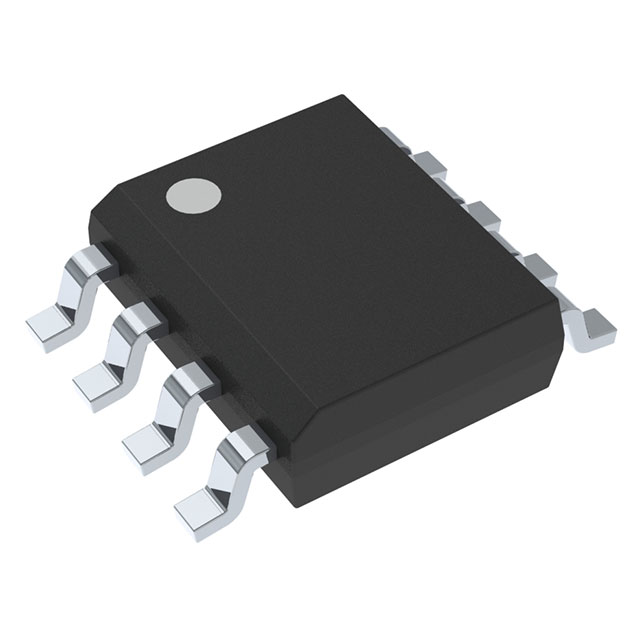 CAV24C128WE-GT3Memory ICs Products | onsemi | EEPROM Serial 128-Kb I2C - Automotive Grade, SOIC 8, 150 mils, 3000-REEL | 54 | 1+: $1.64610 10+: $1.37340 30+: $1.22220 | |
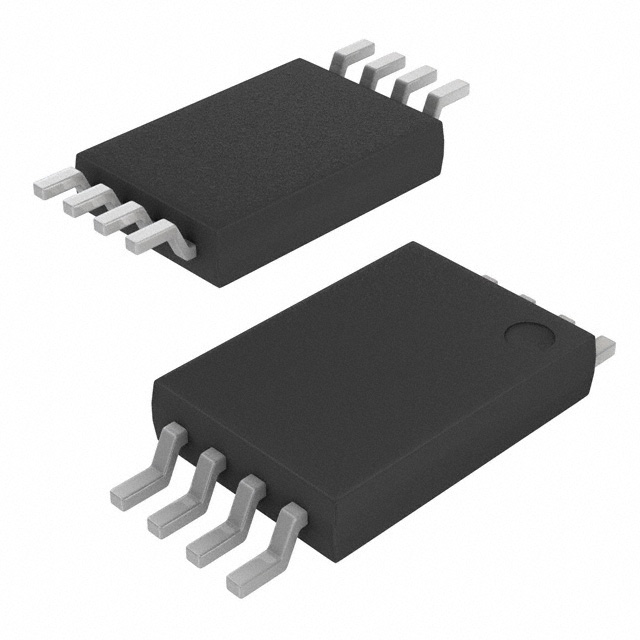 CAV24C128YE-GT3Memory ICs Products | onsemi | EEPROM Serial 128-Kb I2C - Automotive Grade, TSSOP8, 4.4x3, 3000-REEL | 1569 | - |





.png?x-oss-process=image/format,webp/resize,h_32)


