
 German
 Japanese
 Portuguese
 Korea
Korea
 Mexico
 Dutch
Dutch
LM2901B
The LM2901B is a dual operational amplifier designed for high performance in low-power applications, manufactured by Texas Instruments. It features a wide supply voltage range from 3.0 V to 30 V, enabling flexibility across various power systems. The device offers a high gain-bandwidth product of 1.5 MHz, ensuring excellent signal amplification and stability in both AC and DC circuits. Its input offset voltage is typically 2 mV, contributing to precision in analog signal processing tasks.
This operational amplifier includes built-in ESD protection, making it resilient to electrostatic discharge during handling and operation. It operates reliably over a temperature range from –40°C to +125°C, making it suitable for industrial and automotive environments where extreme conditions are common. The LM2901B also features a quiescent current of only 170 µA per amplifier, which significantly reduces power consumption—ideal for battery-powered devices and portable electronics.
The device supports rail-to-rail output swing, allowing the output to reach within 50 mV of either supply rail, maximizing dynamic range in signal conditioning circuits. Additionally, it provides a slew rate of 0.6 V/µs, ensuring fast response times for transient signals without distortion. The internal frequency compensation ensures stable operation across different load conditions, eliminating the need for external components in most applications.
Common applications include sensor signal conditioning, active filters, level shifters, and general-purpose amplification in consumer electronics, medical equipment, and industrial control systems. Its dual configuration allows two independent amplifiers in a single package, reducing board space and component count in compact designs. The LM2901B is available in a standard 8-pin DIP and SOIC package, facilitating easy integration into existing PCB layouts.
Designed with robustness and efficiency in mind, the LM2901B delivers consistent performance under varying load and environmental conditions. It is widely used in automotive infotainment systems, data acquisition modules, and low-voltage instrumentation where reliability and minimal power draw are critical. Its compatibility with standard CMOS and TTL logic levels enhances its utility in mixed-signal designs.
Related Parts
| Part # | Manufacturer | Description | Availability | Pricing | Quantity |
|---|---|---|---|---|---|
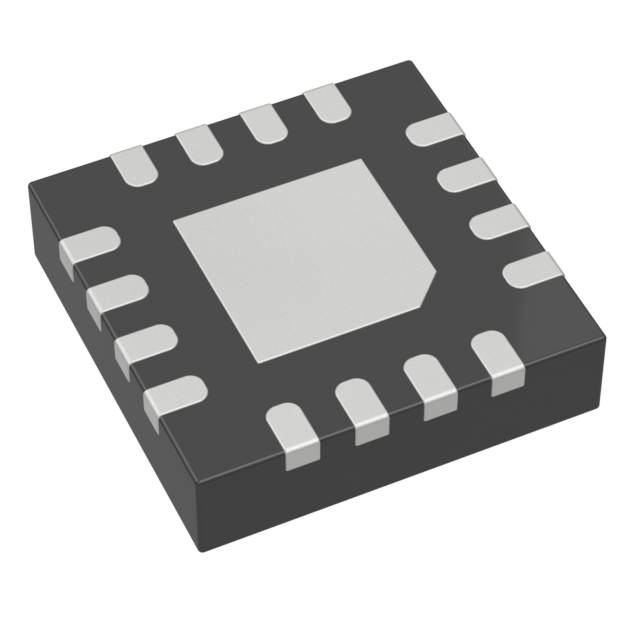 LM2901BIRTERLinear Comparators | Texas Instruments | 36-V, QUAD DIFFERENTIAL STANDARD | 6101 | - | |
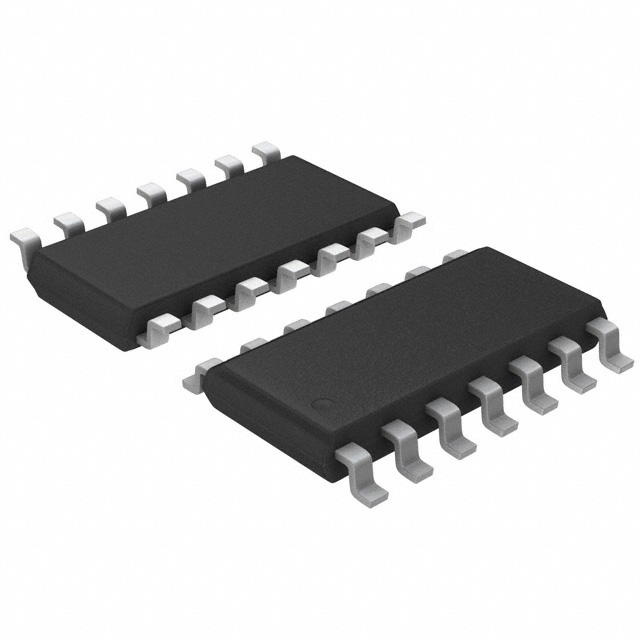 LM2901BIDRLinear Comparators | Texas Instruments | 36-V, QUAD DIFFERENTIAL STANDARD | 2356 | 1+: $0.10730 3000+: $0.09960 | |
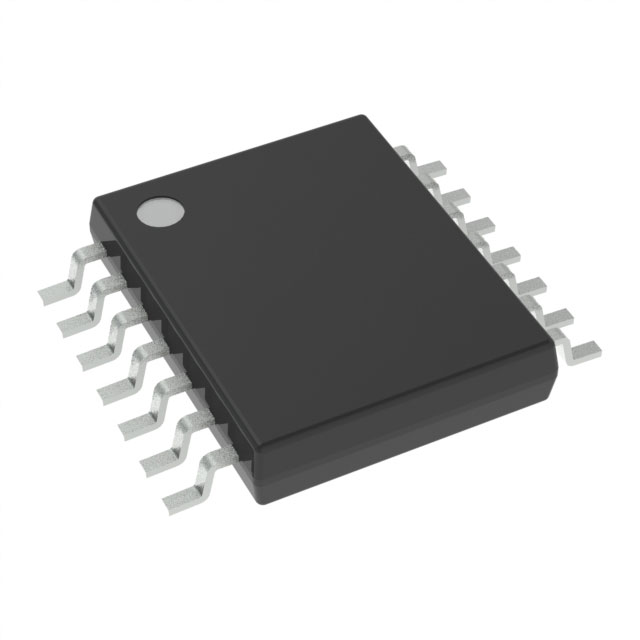 LM2901BIPWRLinear Comparators | Texas Instruments | IC | 1955 | 1+: $0.23580 10+: $0.18510 30+: $0.16040
Show More |





.png?x-oss-process=image/format,webp/resize,h_32)


