
 German
 Japanese
 Portuguese
 Korea
Korea
 Mexico
 Dutch
Dutch
TPS281C30
The TPS281C30 is a high-performance, low-side N-channel MOSFET driver from Texas Instruments designed for efficient and reliable switching applications. It features a 5V logic-compatible input that allows direct interface with microcontrollers and digital control circuits, ensuring seamless integration into modern embedded systems. The device delivers up to 1.5A peak output current, enabling it to drive medium-power loads such as relays, solenoids, and small motors with minimal external components.
This driver includes built-in protection features like overcurrent protection (OCP), thermal shutdown, and under-voltage lockout (UVLO), which enhance system reliability and prevent damage under fault conditions. Its internal charge pump eliminates the need for an external high-voltage supply, simplifying the design while maintaining robust gate drive capability even at high switching frequencies. The TPS281C30 operates across a wide supply voltage range of 4.5V to 36V, making it suitable for both automotive and industrial environments where voltage variations are common.
The device supports fast turn-on and turn-off times—typically less than 100ns—resulting in reduced switching losses and improved efficiency in power-sensitive applications. It also incorporates a current-limiting mechanism that prevents excessive current draw during load transients or short-circuit events, preserving both the driver and connected components. These characteristics make the TPS281C30 ideal for use in motor control circuits, relay drivers, and general-purpose load switching modules.
Common applications include automotive body control modules, industrial automation systems, consumer electronics, and power management units. Its compact 8-pin SOIC package ensures minimal PCB footprint while offering excellent thermal performance through optimized layout and internal die attach. Additionally, the TPS281C30 is fully compliant with AEC-Q100 standards, confirming its suitability for harsh automotive environments where long-term reliability and durability are critical.
Engineers benefit from the device’s predictable behavior, consistent timing, and low quiescent current consumption—typically under 100μA—which contributes to energy-efficient designs. The driver’s ability to operate reliably in temperatures ranging from -40°C to +125°C further expands its application scope across diverse environmental conditions.
Related Parts
| Part # | Manufacturer | Description | Availability | Pricing | Quantity |
|---|---|---|---|---|---|
 TPS281C30BRGWRPower Distribution Switches, Load Drivers | Texas Instruments | 60-V TOLERANT, 30-M, 6-A, SINGLE | 2751 | - | |
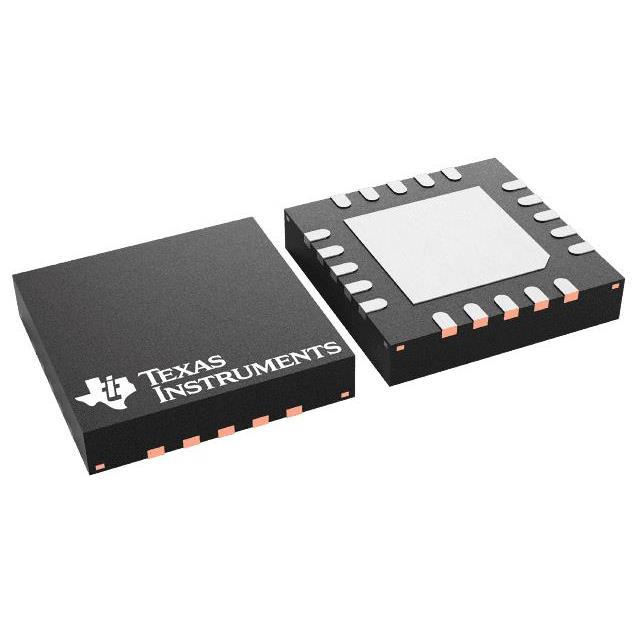 TPS281C30DRGWRPower Distribution Switches, Load Drivers | Texas Instruments | 60-V TOLERANT, 30-M 6-A SINGLE-C | In Stock | - | |
TPS281C30CRGWRPower Distribution Switches, Load Drivers | Texas Instruments | 60-V TOLERANT, 30-M 6-A SINGLE-C | In Stock | - | |
TPS281C30ARGWRPower Distribution Switches, Load Drivers | Texas Instruments | 60-V TOLERANT, 30-M 6-A SINGLE-C | 2992 | - | |
 TPS281C30ERGWRPower Distribution Switches, Load Drivers | Texas Instruments | Single-Channel Smart High-Side Switch | In Stock | - |





.png?x-oss-process=image/format,webp/resize,h_32)


