
 German
 Japanese
 Portuguese
 Korea
Korea
 Mexico
 Dutch
Dutch


Demystifying Line Conditioner Installation: A Step-by-Step Guide

What is a Line Conditioner?
.jpg?x-oss-process=image/auto-orient,1/quality,q_70/format,webp)
A Line Conditioner is an electrical device used to enhance the quality of electricity supplied to electrical equipment. It is sometimes referred to as a voltage conditioner or power line conditioner. It protects delicate electronic equipment against noise, spikes, surges, and fluctuations in voltage by ensuring that the voltage level stays within a predetermined range. Line conditioners are frequently utilized in settings like data centers, labs, industrial facilities, and home theaters where steady and clean electricity is essential.
What Does a Line Conditioner Do?
A line conditioner does several tasks to guarantee the quality of power, including:
Voltage Regulation: It keeps the voltage level constant to avoid overvoltage (surges) and undervoltage (brownouts).
Noise Filtering: It removes radio frequency interference (RFI) and electromagnetic interference (EMI), which can contaminate data and impair sensitive electronics' performance.
Surge Protection: Certain line conditioners come equipped with surge protection to prevent voltage spikes brought on by lightning strikes or other interruptions.
What is a Line Conditioner Used For?
Line conditioners are used in various contexts to safeguard and guarantee the efficient operation of electrical devices. Typical uses are as follows:
Home Theaters: To protect expensive audiovisual equipment.
Computers and Servers: To guard against hardware damage and data loss.
Medical Equipment: To guarantee the dependable functioning of vital apparatus.
Industrial machinery: To prevent faults and downtime.
Video related to Line Conditioner
How Does a Line Conditioner Work?
Here's a step-by-step breakdown of how a line conditioner works to protect your electronics:
Step 1: Incoming Power Arrives
The power that enters your line conditioner from your wall outlet is unpredictable. Electrical noise (EMI/RFI) and voltage variations (spikes and drops) may be present in this electricity.
Step 2: Voltage Regulation
The line conditioner's transformer is in charge. It modifies the input voltage up or down as necessary, functioning similarly to a voltage regulator. This guarantees that your devices receive a steady and secure electricity supply, much like a thermostat keeps a room at a comfortable temperature.
Step 3: Noise Filtering
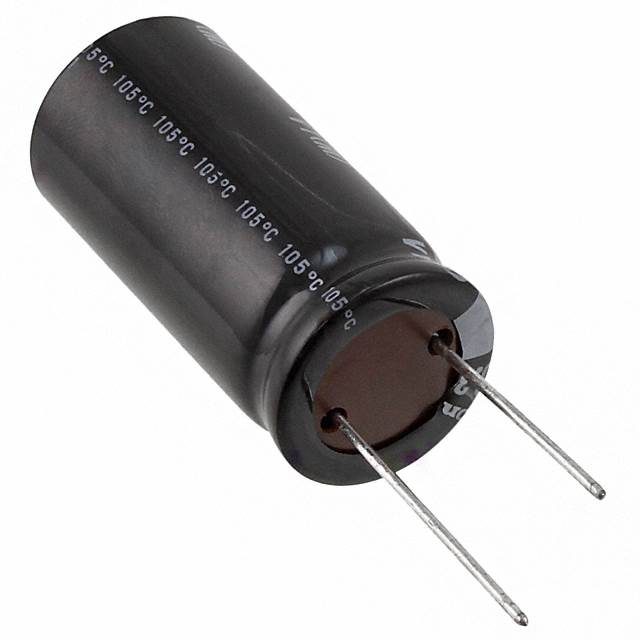
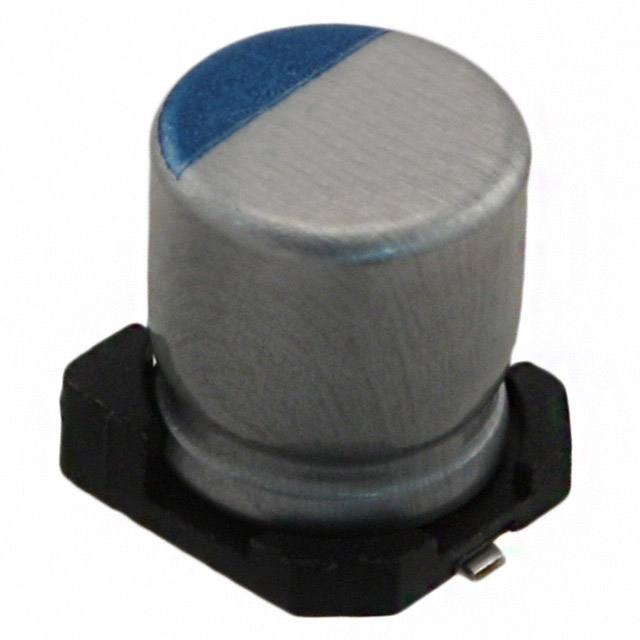
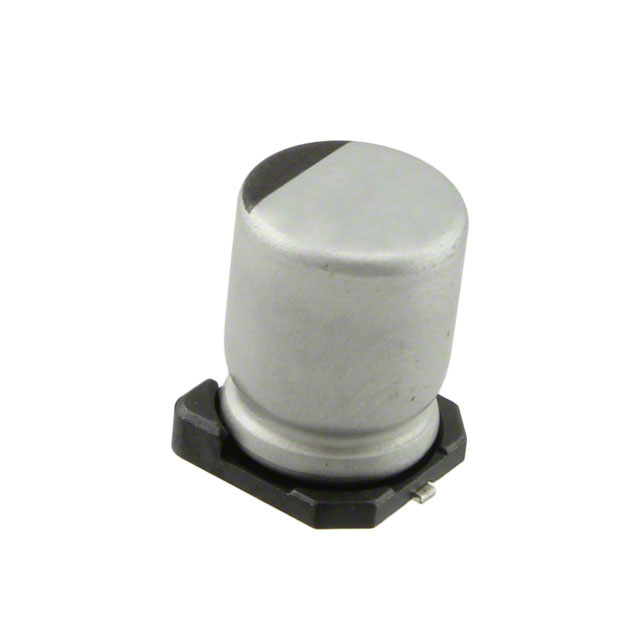
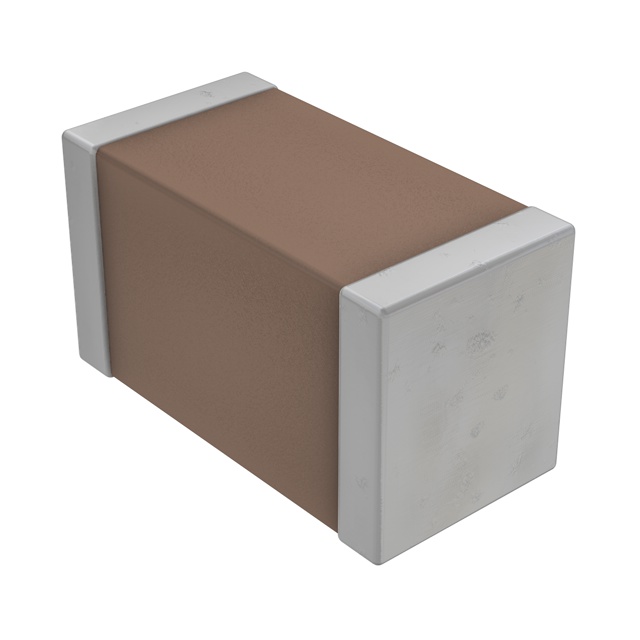
The celebration continues past voltage! The line conditioner functions as an electrical equivalent of a water purifier thanks to its integrated filters (capacitors and inductors). These filters absorb and remove undesirable electrical noise in the power supply. In sensitive devices, this noise can destroy data and cause performance issues.
Step 4: Surge Protection (Optional)
Certain line conditioners include some rudimentary surge protection, even if it's not their main feature. These Surge Protection Devices (SPDs) function similarly to electrical lightning rods. The SPDs absorb and direct any abrupt spikes in voltage away from your equipment, shielding it from possible harm.
Step 5: Clean Power Delivered
Following these actions, the line conditioner has produced a clean and steady electrical flow from the raw incoming power. Your linked equipment will subsequently receive this "purified" electricity, guaranteeing peak performance and lowering the possibility of damage from noise and voltage swings.
How to Use Line Conditioner?
Using a line conditioner is straightforward. Here’s a step-by-step guide to installing and using one effectively:
Identify the Equipment: Decide which gadgets require security. Computers, servers, home entertainment systems, and industrial machines might all fall under this category.
Select the Appropriate Line Conditioner: Select a line conditioner based on how much power your machine needs. Think about things like load capacity, voltage rating, and extra features like surge protection.
Install the Line Conditioner:
Switch Off the Equipment: Before beginning installation, make sure every device is turned off.
Link to a Power Source: Connect the line conditioner to a dependable electrical outlet.
Connect the Equipment: Attach the line conditioner to your electrical equipment.
Power On: After turning on the line conditioner, switch on your electronics.
Regular Maintenance: Make sure the line conditioner is operating properly by periodically inspecting it for wear or damage.
Where is Line Conditioner Used?
Line conditioners are adaptable gadgets that shield delicate electronics in a range of settings:
Homes: For computers, home theater systems, and other electronics.
Offices: To safeguard servers, computers, and office equipment.
Medical Facilities: To guarantee the dependable functioning of medical apparatus.
Industrial Settings: To stop industrial control systems and machines from breaking down.
Conclusion
In conclusion, a line conditioner is a need for anyone utilizing delicate electrical equipment. You may guarantee that your gadgets are safeguarded against power anomalies by being aware of what a line conditioner is, what it performs, and how it operates. Line conditioners are easy to install and operate, and they have a lot to offer in terms of longer equipment life and better performance.
FAQs
What does a Line conditioner do?
It regulates voltage, filters out noise, and provides surge protection to ensure the safe and efficient operation of electronic devices.
Is a Line conditioner the same as a surge protector?
No, even though they both provide some degree of safety for your electronic gadgets, a line conditioner and a surge protector are not the same thing. Below is a summary of the main distinctions:
Line Conditioner:
Function: Offers complete protection against power outages by:
Voltage Regulation: Prevents harm from surges and drops by stabilizing voltage levels.
Noise Filtering: Removes interference-causing electrical noise (RFI/EMI).
Surge Protection: Offers basic protection against sudden voltage spikes.
Applications: Perfect for delicate equipment such as vital IT infrastructure, high-end audio systems, or medical devices.
Cost: Typically more than that of surge protectors.
Surge Protector:
Function: Mainly concerned with safeguarding against transients and abrupt voltage spikes.
Applications: Excellent for all-around household appliances and electronics protection.
Cost: Not as expensive as line conditioners.
Are Line conditioners necessary?
For electronics, line conditioners are like bodyguards; surge protectors are like helmets. Line conditioners are the best choice for unstable power grids or delicate equipment, such as audio systems and medical devices. Surge protectors should be sufficient for low-cost home devices. Think about compatibility and peace of mind when making a decision.

Related Articles
- ·Memory Chip Complete Guide: Definition, Manufacturers, Shortage, Manufacturing Process and Working Principles
- ·Fiber Optic Switch Guide: Definition, Connection Methods, Cabling, Disconnection and FAQ
- ·Optical Fiber Transmitter and Receiver Guide
- ·ICD Driver, LCD Driver & LCD Panel Driver Board Guide
- ·Touch Screen Overlay Guide for Commercial & Industrial Applications
- ·Cold Cathode Fluorescent Lamp Guide
- ·Complete Buying Guide for LED Video Walls & Commercial LED Displays
- ·The Complete Guide to Diode Lasers
- ·LED Emitter Guide: Definition, Brightness, Beam Angle, Soldering, Flashlight Upgrade, IR Usage and Grounding
- ·Inrush Current Limiter: Working Principle, Calculation, Selection Guide, and Motor / Capacitor Applications





.png?x-oss-process=image/format,webp/resize,h_32)


