
 German
 Japanese
 Portuguese
 Korea
Korea
 Mexico
 Dutch
Dutch


The Ultimate SPDT Switch Guide: Why It Rules Electronics 🔧⚡

1. What is an SPDT Switch? The Overachiever of the Circuit World
Let's cut to the chase: An SPDT switch (Single Pole Double Throw) is the electrical equivalent of a multitasking wizard 🧙♂️. While basic SPST switches (Single Pole Single Throw) are busy flipping "on/off" like a light switch with commitment issues, the SPDT switch is out here juggling two circuits at once. It's got three terminals—Common (COM), Normally Closed (N/C), and Normally Open (N/O)—which means it can toggle power between two devices faster than you can decide between pizza and tacos. Think of it as a vending machine: press one button, and only one snack (circuit) drops. No chaos, no overlap—just pure electrical efficiency. And yes, we're gonna say it: The SPDT switch is the MVP of switches, and it knows it.

2. SPDT Switch Structure: The "Three Musketeers" of Terminals
If SPST is a single light switch, SPDT is a light switch with a side hustle. Let's break down its crew:
- ⚙️Pole: The movable "arm" that plays matchmaker between circuits (like a DJ switching tracks 🎧).
- 🔒N/C (Normally Closed): The default BFF—connected to COM when the SPDT switch is chilling, no drama.
- 🔓N/O (Normally Open): The backup friend—only connects to COM when the SPDT switch gets triggered (like when your phone switches to Wi-Fi when data dies).
Here's the tea: An SPDT switch never lets both circuits party at the same time. It's the ultimate bouncer—one in, one out. 🕺
3. How Does an SPDT Switch Work? Two Modes of Glory
SPDT switches have two moods, and they're dramatic about it:
a) Break-Before-Make (BBM): The Polite Switch
This SPDT switch is the "excuse me, pardon" type. It breaks up with N/C before sliding into N/O's DMs. No awkward overlaps—perfect for sensitive gear like headphones (no "pop" sound when switching songs 🎶). Example: When you flip a BBM SPDT switch in your guitar pedal, it disconnects the distortion circuit before connecting the delay—so your solo stays smooth, not staticky.
b) Make-Before-Break (MBB): The Overachiever Switch
This SPDT switch is the "I'll hold the door and press the elevator button" overachiever. It connects to N/O before ditching N/C—critical for "no downtime" jobs, like hospital monitors. Imagine a heart rate monitor switching sensors mid-read—MBB ensures it never misses a beat ❤️.

4. Types of SPDT Switches: From Mechanical Rockstars to Solid-State Ninjas
SPDT switches come in more flavors than a frozen yogurt shop. Here are the fan faves:
a) Mechanical SPDT Switches: The Vintage Rockers
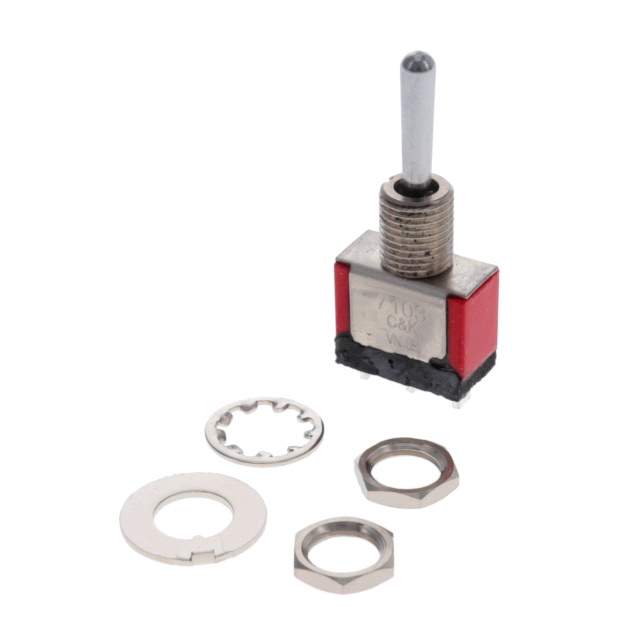
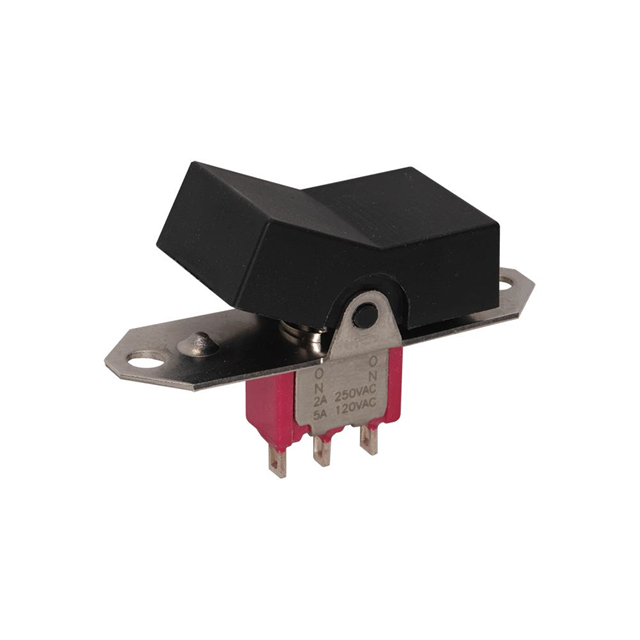
These are the guitar heroes of switches—think toggle levers, satisfying clicks, and built like a tank. The C&K D508J12S205QA? It's the Keith Richards of SPDT switches—糙, tough, and still rocking after 50 years (okay, maybe not 50, but you get it). Perfect for car dashboards, arcade machines, and anywhere you want that satisfying flip feeling 🎮.
b) Solid-State SPDT Relays: The Silent Ninjas
No moving parts, just semiconductors zipping signals faster than a ninja throwing stars ⚔️. The Huimu Electronics photodiode array SPDT relay? It uses light to trigger MOSFETs, making it silent and lightning-fast. Great for high-frequency gadgets—like your smart TV switching HDMI ports without that annoying "fuzz" 📺.
c) RF SPDT Switches: The 5G Superheroes
These SPDT switches are the speed demons of the bunch. Take the SGM11102W: it handles 0.1GHz–3.8GHz signals, routing 5G data like a Formula 1 driver 🚗💨. And the ADRF5030? It covers 100MHz–20GHz—so your TikTok streams buffer-free, even when your neighbor's stealing Wi-Fi.
d) High-Voltage SPDT Switches: The Heavy Lifters
Need to control big voltage? Cosmo's COS12A12511 SPDT switch laughs in the face of high power, handling up to 125V with ease. It's the bouncer at a heavy metal concert—keeps the chaos (overcurrent) out, so your circuit doesn't crash the party 🎸.
5. Applications: Where SPDT Switches Secretly Save the Day
SPDT switches are everywhere—like that quiet coworker who does all the work. Here's where they're slaying:
a) 5G Networks: The Signal Traffic Cops
Your 5G phone? Thank an SPDT switch. The SGM11102W routes signals between antennas, ensuring your video call doesn't turn into a pixelated meme 🤳. And the X122 from Southwest Integrated? It's got 0.3dB loss at 1.98GHz—so your 5G is faster than a cheetah on espresso ☕.
b) Medical Gear: The Life-Saving Sidekicks
In MRI machines and heart monitors, SPDT switches like the HMC232A keep signals clean and interference-free. They're the nurses of the circuit world—always reliable, never taking a day off 🩺.
c) Car Electronics: The Road Trip MVPs
Your car's power windows? An SPDT switch toggles the motor direction (up/down) faster than you can say "Are we there yet?" 🚗. And automotive-grade switches like the SN4599-Q1? They laugh at -40°C winters and 125°C summers—because your car's electronics don't believe in "bad weather" ❄️☀️.
d) Audio Gear: The Sound Shapers
Ever wondered how your amp switches between clean and distorted tones? An SPDT switch is pulling the strings, routing signals like a DJ at a rave 🎛️. The BL1555, for example, handles audio with <0.1Ω resistance—so your guitar solo sounds buttery smooth.

6. Key Features: Why SPDT Switches Are Total Overachievers
What makes SPDT switches the MVPs? Let's count the ways:
Low Loss
RF SPDT switches like the X122 lose only 0.3dB at 1.98GHz—so your 5G signal stays strong, even in elevators 🛗.
Speed
Solid-state SPDT relays switch in nanoseconds—faster than you can blink (seriously, humans blink in 100ms; these switch in <10ns).
Toughness
Industrial SPDT switches like the JR-8L1 handle 10A/250V—they'll outlive your grandma's toaster 🍞.
7. Troubleshooting SPDT Switches: How to Be a Switch Detective
Got a misbehaving SPDT switch? Channel your inner Sherlock Holmes 🔍:
- Check Continuity: Use a multimeter—N/C should be 0Ω (BFFs), N/O should be ∞Ω (strangers) when off. Flip the switch, and they should swap!
- Test Signal Loss: For RF SPDT switches, a network analyzer will spot "signal thieves" (high attenuation = your switch needs a coffee break ☕).

8. Future Trends: SPDT Switches Are Leveling Up
SPDT switches aren't resting on their laurels. Up next:
- Tiny But Mighty: The SC70、6-packaged SGM3716 fits in smartwatches—soon your fitness tracker will have an SPDT switch "personal trainer" 🕶️.
- AI-Powered: Imagine SPDT switches that "learn" your habits—like your home router switching Wi-Fi bands before you lag out of a game 🎮.
From 5G towers to your morning coffee maker, the SPDT switch is the quiet genius keeping the world connected. So next time you flip a switch, give a little nod—this tiny overachiever deserves a standing ovation 👏!

 FAQ
FAQ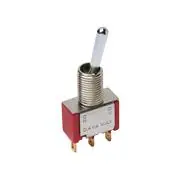






.png?x-oss-process=image/format,webp/resize,h_32)


