German
 Japanese
 Portuguese
 Korea
 Mexico
 Dutch


Unveiling Solenoid Wiring and Connections

What is a Solenoid?
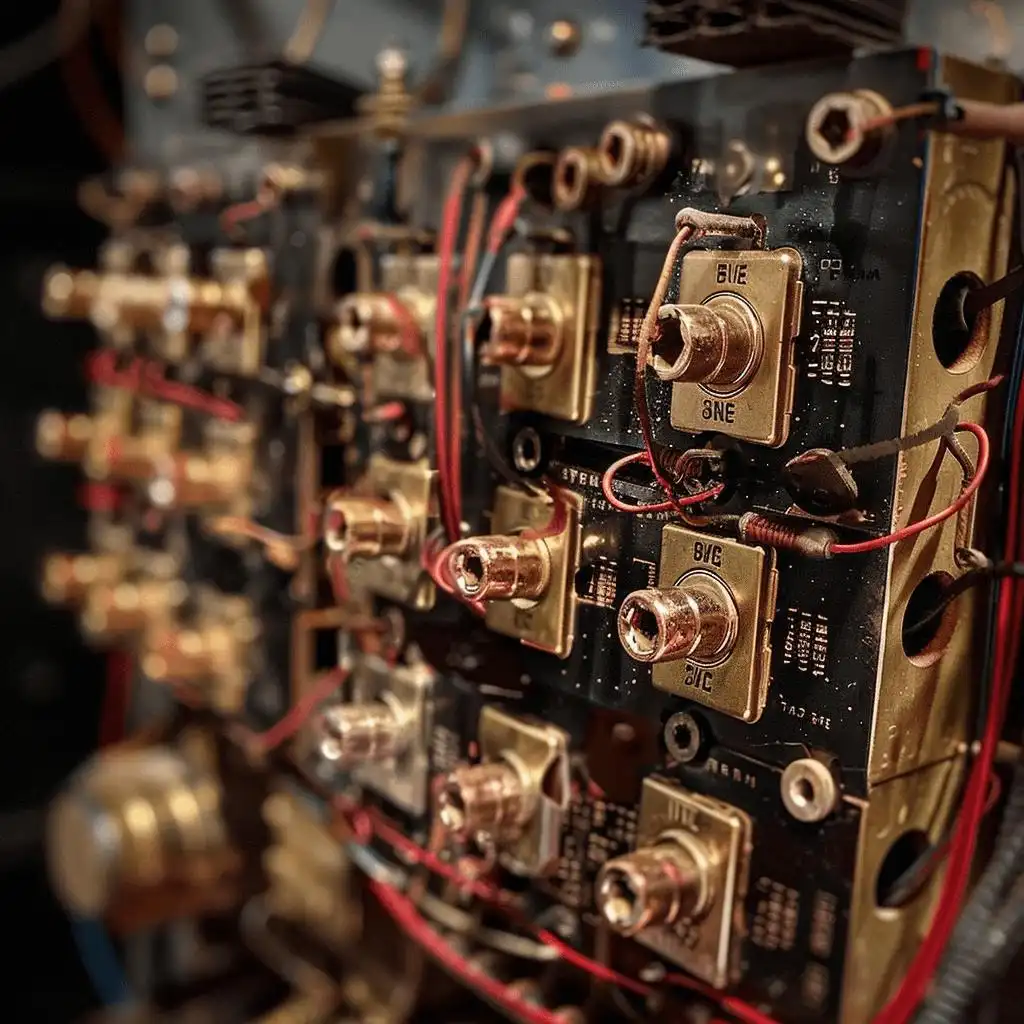
A Solenoid is an electromechanical device that produces a pushing or pulling force using electromagnetic means. It comprises a ferrous (containing iron) core encircled by a coil of wire. A magnetic field is created when an electric current flows through the coil. Linear motion is made when the solenoid's armature, or moveable ferrous element, is drawn to the magnetic field.
There are numerous sizes, forms, and actuation types for solenoids, each of which is appropriate for a particular use. The main elements are broken down as follows:
Coil: This insulated wire winding is the heart of the solenoid. The number of turns and the wire gauge (thickness) determine the strength of the magnetic field generated.
Ferrous Core: This core, which is usually composed of steel or iron, focuses on the magnetic field that the coil produces.
Plunger/Armature: When the solenoid is activated, the magnetic field attracts this movable ferrous element, which causes linear movement.
Housing: The housing protects the internal parts and serves as a mounting location for the solenoid by enclosing the coil, core, and plunger.
How Much Does a Solenoid Cost?
A solenoid's price varies according to several parameters, such as:
Size and Force: Larger solenoids with greater force output are typically more costly.
Voltage and Current Rating: Solenoids with greater voltage and current specifications are typically more expensive.
Duty Cycle: Solenoids designed for high-duty cycles, or continuous operation, are usually more expensive than those meant for intermittent use.
Brand and Features: The price may be affected by the reputation of the brand as well as extra features like waterproof construction.
The cost of a solenoid can vary greatly, from a few dollars for small, low-power devices to hundreds of dollars for high-performance, industrial-grade models.
Video related to Solenoid
What Does a Solenoid Do?
A solenoid's main function is to transform electrical energy into linear mechanical motion. There are several uses for this motion, including:
Opening and closing valves: Solenoids are commonly employed in hydraulic and pneumatic systems to actuate valves and control the flow of gases and fluids.
Engaging starters: In cars, starter solenoids are essential for bringing the starter motor into contact with the flywheel and starting the engine.
Locking and unlocking mechanisms: Safety interlocks, electromagnetic locks, door locks, and other locking systems all use solenoids.
Gear shifting: In certain automatic transmission systems, hydraulic valves are activated by solenoids, which regulate gear selection.
Fuel injectors: Solenoids regulate the opening and closing of injector valves in fuel injection systems, which in turn controls the amount of fuel that enters the engine.
Why Solenoid is Used?
Solenoids are well-liked options for a range of applications because of their many benefits:
Versatility: A broad range of forces and strokes (plunger travel distances) can be produced by them.
Fast Response: Solenoids allow for fine control over movement by activating and deactivating quickly.
Remote Control: They provide versatility in system design since they can be controlled remotely via electrical signals.
Low Maintenance: Compared to other actuators, such as hydraulic cylinders, solenoids often require less maintenance.
Durability: They have a solid reputation for dependability and toughness, particularly when operated within their designated operating conditions.
For engineers and designers in a variety of industries, solenoids are an invaluable tool because of these benefits.
How Does a Solenoid Work?
The working principle of a solenoid is quite straightforward:
Electrical Current Flow: A magnetic field is created surrounding the core when an electric current flows through the coil windings.
Magnetic Force: The solenoid's iron plunger is subject to a force from this magnetic field.
Plunger Movement: The plunger moves in a linear direction when the magnetic field either attracts or repels it, depending on the design.
Force and Stroke: The solenoid's pulling or pushing force is dependent on the magnetic field's strength. The stroke length, or the greatest distance the plunger can travel, is also determined by the design of the core and plunger.
Here are two basic types of solenoid actuation:
Pull-Type Solenoids: When energized, the magnetic field in this design pulls the plunger into the coil. Car starter solenoids are a typical example.
Push-Type Solenoids: In this case, when the device is turned on, the magnetic field forces the plunger out of the coil. This is how various locking systems work with solenoids.
When the coil's electrical current is cut off, the magnetic field collapses, causing the plunger to return to its starting position in the presence of any return springs or opposing forces.
How to Test a Solenoid?
Solenoids can malfunction over time due to wear and tear, electrical issues, or mechanical problems. Here's a basic approach to testing a solenoid:
Tools and Materials:
Multimeter
Jumper wires (optional)
Compressed air (for some applications)
Steps:
Safety First: Before testing a solenoid, always unplug the power supply.
Visual Inspection: Examine the housing, coil windings, and plunger for any visible physical damage.
Coil Resistance Test: To test coil resistance, use a multimeter that is calibrated to measure resistance in ohms. Assess the resistance present between the coil terminals. The reading ought to fall within the parameters set out by the manufacturer (which are typically located in a datasheet or service manual). A malfunctioning coil may be indicated by an open circuit (infinite resistance) or extremely low resistance.
Continuity Test (Optional): For certain solenoids, you can verify that the plunger is correctly connected to the electrical circuit by doing a continuity test.
Functional Test: You can do a functional test if the solenoid is readily accessible and can be operated safely outside of its installed system. Using a power supply or jumper wires from a charged battery, quickly apply the proper voltage to the coil terminals (see the solenoid's specifications or markings for guidance). Check to see if the plunger operates as it should. Compressed air can help you observe proper movement if it is easily accessible and useful (for example, when testing a pneumatic solenoid valve).
Important Note: These are only suggestions. The testing protocol may change based on the particular type and use of the solenoid. When in doubt, get advice from an experienced technician or study the manufacturer's instructions for precise testing methods tailored to the particular solenoid you're handling.
How to Check a Solenoid on a Starter?
One of the most important parts that joins the car's battery to the beginning motor is the starter solenoid. An unreliable solenoid may stop the engine from starting. Here's a quick guide to testing a starter solenoid; for further directions, consult your car's service manual:
Tools and Materials:
Multimeter
Jumper wires
Steps:
Disconnect the battery: Safety first! Always disconnect the negative battery terminal before working on the starter system.
Locate the solenoid starter: This is typically a cylindrical part that is fixed directly onto the starter motor. For precise location, consult the service handbook for your vehicle.
Visual Inspection: Keep an eye out for indications of deterioration, corrosion, or loose connections.
Solenoid Activation Test: To test the solenoid, attach one end of the jumper wires to the positive battery terminal and the other end to a specific solenoid terminal (see your car's manual for details). Touching this terminal may cause the starter motor to crank, which indicates that the solenoid may be working. This test is not conclusive, though.
Voltage Drop Test: A multimeter with the voltage (DC volts) scale set is needed for this test. Take note of the voltage drop across the solenoid terminals as someone tries to start the vehicle. A large voltage drop (more than 1 volt) can be a symptom of a bad solenoid or a bad connection.
Important Note: These are simplified steps. The particular procedure for examining a starting solenoid may differ based on the type of vehicle. The best source of comprehensive information and safety measures is your car's service manual. See a trained mechanic if you have any questions about any step.
How to Tell if Solenoid is Bad?
A defective solenoid may exhibit several symptoms:
Lack of Movement: When powered, the solenoid may not move at all or move very slowly.
Unusual Noises: When something is operating, clicking or grinding sounds could indicate an interior problem.
Overheating: A hot solenoid after little to no use may indicate an internal issue or an excessive current draw.
Visible Damage: Any visible physical harm to the plunger, coil windings, or housing may point to a problem.
Electrical Issues: Using a multimeter to test could identify issues such as open circuits or unusual resistance values.
It is advised that you test the solenoid using the techniques previously mentioned in this tutorial if you think it may be malfunctioning. Consider replacing the solenoid with a compatible unit and following the proper replacement procedures if the test indicates a fault.
How to Replace a Solenoid?
To replace a solenoid, take out the malfunctioning one and install a new, application-compatible one. Here's a general method, but don't forget to consult the particular service manuals or guidelines that come with your equipment:
Tools and Materials:
Wrenches or sockets (depending on the mounting method)
Replacement solenoid (ensure compatibility)
Electrical tape (optional)
Steps:
Safety First: Before working on the solenoid, disconnect the power supply.
Locate the Solenoid: How to Find the Solenoid Determine which solenoid in your equipment needs to be replaced.
Disconnect Wiring: Take care to separate the electrical wires from the terminals of the solenoid. If there are several wires, make a note of the connection places so that you can reassemble it.
Remove the Solenoid: Loosen the mounting screws and take out the malfunctioning solenoid using the proper wrenches or sockets.
Install the New Solenoid: Using the mounting hardware, firmly place and secure the new solenoid. Verify the tightening torque according to the service manual's specifications.
Reconnect Wiring: If required, refer to your notes when reattaching the electrical wires to the appropriate terminals on the replacement solenoid. Verify the connections are correct twice.
Test and Reassemble: After reconnecting the power supply, make sure that the solenoid and the devices it regulates are operating as intended. Reassemble any covers or parts removed during the replacement process if everything works as it should.
Important Note: These are just general procedures. Your solenoid application may require a different replacement process. Always consult the manufacturer's instructions or service manual for precise replacement steps that apply to your device. If the process doesn't feel right for you, think about asking a trained technician for assistance.
Are Solenoids and Electromagnets the Same?
The basic idea behind solenoids and electromagnets is the use of electromagnetic fields to produce a magnetic field. But in terms of application and design, they differ significantly from one another:
Shape and Core: A ferrous core that concentrates the magnetic field is encircled by a long, cylindrical coil in solenoids. On the other hand, depending on the required magnetic field intensity and direction, electromagnets can have a variety of core configurations and forms. They can be shaped like a horseshoe, a straight core, or even an open core for uses that don't require a focused field.
Movement: Solenoids work by use of an armature or plunger to produce linear motion. Whereas electromagnets may or may not have a moving element, their main function is to produce a pulling or holding force.
Application Focus: Applications like actuating locks, engaging gears, and valves that require regulated linear movement are perfect for solenoids. When a powerful pulling or holding force is required, such as when lifting scrap metal, separating magnetic materials, or holding doors shut, electromagnets work wonders.
Here's a table summarizing the key differences:
|
Feature |
Solenoid |
Electromagnet |
|
Shape |
Cylindrical coil |
Various shapes |
|
Core |
Ferrous core concentrates magnetic field |
The core configuration depends on the application |
|
Movement |
Creates linear motion with a plunger |
Primarily generates pulling or holding force |
|
Application Focus |
Controlled linear movement |
Strong pulling or holding force |
To put it simply, not all electromagnets are solenoids, but all solenoids are electromagnets. Each kind is suited for a variety of applications requiring the use of electromagnetic due to its unique design features.
Can Solenoid Be Repaired?
The type of fault determines whether a solenoid is repairable:
Minor Issues: Occasionally, removing rust from terminals or tightening a loose connection might make them function again.
Electrical Faults: Replacing the solenoid is typically necessary if there is an internal short circuit or a burned-out coil.
Mechanical Issues: Replacing the solenoid may be the only course of action if the plunger is damaged or seizes.
Since widely accessible solenoid replacements are reasonably priced, replacing a malfunctioning solenoid is typically a more practical and dependable course of action.
However, if the solenoid is a custom-made or high-value component, a qualified technician might attempt repairs, considering factors like labor costs and the availability of replacement parts.
Where is Solenoid Located?
Solenoids are widely used in many different applications and are present in a large variety of tools and gadgets. Here are some examples:
Automobiles: Fuel injection systems, automated transmissions, door locks, starter motors
Household Appliances: Refrigerators (ice makers), dishwashers, dryers, and washers
Industrial Equipment: Industrial equipment includes security gates, pneumatic and hydraulic system valves, packing gear, and robots for manufacturing.
Medical Equipment: Medical supplies include dentist chairs, dialysis devices, and MRI scanners.
Consumer Electronics: Pinball machines, arcade games, vending machines, and certain printer processes are examples of consumer electronics.
This is by no means a comprehensive list; solenoids are essential to a great number of devices in many different industries.
Where Solenoid is Used?
Solenoids are incredibly adaptable and can be used in many different contexts. Their primary purpose is to transform electrical energy into motion via mechanical means. The following are a few typical uses:
Valves: Solenoids are frequently used in valves to open or close them, controlling the flow of fluids (liquids or gases). These valves are used in hydraulic and irrigation systems, as well as in soda fountains to pour drinks.
Electromechanical switches: Solenoids can be employed as switches. They can be used to initiate particular tasks or to turn on or off equipment. For example, a solenoid is used by an automobile's starting motor to start the engine.
Locks and latches: Electromagnetic locks and latches that may be remotely operated for security applications employ solenoids.
Conclusion
Electromagnetic devices known for their dependability and versatility, solenoids have completely changed the way various sectors control movement. They are an invaluable tool for a variety of applications, from the complicated valves in industrial machinery to the starter motor in your car. This is because they can transform electrical energy into linear motion. Comprehending the principles of operation, wiring arrangements, and troubleshooting techniques of these intriguing components enables you to use or troubleshoot them with effectiveness.
FAQs
What is the purpose of a solenoid?
A solenoid's primary function is to transform electrical energy into mechanical motion. It uses electromagnetic to accomplish this.
This is an explanation of how it functions:
Electricity Current: In the solenoid, a coil of wire that is tightly wound conducts current.
Magnetic Field: The coil is surrounded by a magnetic field produced by this electrical current.
Mechanical Force: An armature, or moveable metal plunger, inside the solenoid, is in contact with the magnetic field. Depending on how the solenoid is built, this force pulls the plunger in or out.
The movement of the plunger, which can be used to open and close valves, push and pull items, or activate switches, can be controlled by varying the electrical current.
What are solenoids in a car?
Solenoid engines power cars, serving as little workhorses in the background. They function fundamentally as electrically operated switches or valves by utilizing electromagnetism for a variety of purposes. In vehicles, solenoids are utilized as follows:
Starter Solenoid (Most Common): This is the one that you are likely to hear about the most. It's essential to getting the engine started. The ignition switch sends a tiny current to the solenoid when you turn the key. By completing a circuit, the solenoid is triggered, enabling a significantly higher current to travel straight from the battery to the starter motor. This engages the engine and starts it.
Transmission Solenoids: Solenoids regulate the fluid flow in automatic transmissions, which in turn controls which gears are engaged. Through electrical signal regulation, these valves allow the transmission to smoothly shift gears for maximum efficiency.
What happens when a solenoid goes bad?
A bad starter solenoid can cause your car to:
Not start at all
Make clicking noises when starting
Crank slowly
Start inconsistently
Consult a professional to get your solenoid inspected if you encounter these problems. It's a reasonably priced repair that can save you from becoming lost.

Related Articles
- ·MediaTek MT6366 vs. MT6373: Features, Architecture, Applications, and Design Considerations
- ·Qualcomm PM8550 vs. PM8550B vs. PM8550VS: Features, Differences, Applications, and Selection Guide
- ·Qualcomm PM8350 vs. PM8350C: Architecture, Features, Applications, and Selection Guide
- ·Qualcomm PM8150 vs. PM8150B vs. PM8150L: Functions, Architecture, Applications, and Selection Guide
- ·SGM41541 vs. SGM6605: Battery Charger and Synchronous Boost Converter Comparison
- ·ADI LTM4630A vs. LT8645S: Power Module and Silent Switcher Regulator Comparison
- ·Richtek RT8206A vs. RT9013: Architecture, Specifications, Applications, and Design Considerations
- ·MPS MP2657, MPQ6610GJ-AEC1-Z, and MP2856: Identification, Functions, and Application Comparison
- ·TPS6594-Q1 vs. TPS65219-Q1 vs. TPS653860-Q1 vs. LP87745-Q1: TI Automotive PMIC Comparison
- ·Electronic Components Monthly Market Report