
 German
 Japanese
 Portuguese
 Korea
Korea
 Mexico
 Dutch
Dutch


What is an Electronic Component Distributor?

What is an Electronic Component Distributor?
Electronic component distributors, also known as electronic component distributors, refer to enterprises or intermediaries that specialize in the procurement, warehousing, sales and distribution of electronic components. Its main business includes procuring various electronic components, such as resistors, capacitors, diodes, transistors, integrated circuits, etc., from manufacturers, and then distributing these components to downstream electronic product manufacturers, original equipment manufacturers (OEM), contract manufacturing manufacturers (CMs), repair and service providers, and small assemblers.
Distributors help manufacturers and customers simplify supply chain management and ensure timely supply of components by providing extensive inventory, technical support, logistics services and value-added services.
The history of electronic component distributors
Traditional distribution stage (mid-20th century–1980s):
In the early days of the electronics industry, manufacturers often had direct contact with customers, and the distribution of electronic components was primarily the responsibility of the manufacturers themselves. However, as the demand for electronic products grows and technology becomes more complex, manufacturers are gradually realizing the difficulties of directly managing the supply chain.
At this stage, distributors began to emerge, mainly providing standardized electronic components and helping small and medium-sized manufacturers obtain components that were difficult to purchase directly from large manufacturers. Distributors mainly focus on providing basic inventory management and distribution services.
The rise and maturity of distributors (1980s-early 21st century):
With the advancement of globalization, the demand for electronic components has increased dramatically, and the market has begun to become more complex. The role of distributors has also changed from simple intermediaries to more specialized supply chain service providers. The role of distributors has also changed from a simple intermediary to a more professional supply chain service provider.
During this period, large distributors such as Avnet, Arrow Electronics and Future Electronics occupied an important position in the global market.
The evolution of modern distribution model (21st century to present):
The popularity of the Internet and the development of e-commerce have prompted the further development of electronic component distributors. Distributors have begun to optimize supply chain management through online platforms and digital tools, and provide convenient services such as real-time inventory inquiries, price comparisons, and online ordering.
Modern distribution models focus more on data-driven supply chain management. Distributors provide customers with accurate demand forecasting and inventory management services by analyzing market demand and supply chain data.
Another significant change is the diversification of value-added services, such as providing customers with customized design support, rapid prototyping, product life cycle management, etc.
The changing role of distributors in the electronics industry ecosystem
Key nodes in the supply chain: With the globalization of the industrial chain, distributors have become an important bridge connecting component manufacturers and final manufacturers. They are not only suppliers of components but also optimizers of supply chain management, helping customers cope with complex supply chain challenges by providing flexible inventory management and logistics solutions.
Technical support and value-added service providers: Modern distributors not only provide electronic components, but also provide technical support and value-added services to help customers speed up product development cycles, reduce R&D costs, and enhance market competitiveness.
Promoters of digital transformation: With the advancement of Industry 4.0 and digital transformation, distributors have played an important role in helping manufacturers and customers adopt new technologies, optimize production processes, and improve supply chain transparency.
Deepening of partnership: The relationship between distributors, manufacturers and customers has gradually transformed from a traditional buyer-seller relationship to a strategic partnership. Distributors participate in more core links, such as customer product design and market strategy formulation.
Overall, the role of electronic component distributors in the electronics industry ecosystem has changed from a simple intermediary to a full range of supply chain service providers and value-added service partners, playing an irreplaceable role in promoting the development of the electronics industry.

Business Models of Electronic Component Distributors
Electronic component distributors play a vital role in the supply chain, offering various business models tailored to different customer needs and market demands. Here’s an analysis of some key business models:
1. Authorized Distributors vs. Independent Distributors
Authorized Distributors:
- Definition: Authorized distributors have official agreements with component manufacturers to sell their products. They are considered an extension of the manufacturer’s sales force and are often given exclusive rights to distribute certain products within specified regions.
Advantages: - Guaranteed Authenticity: Components sourced from authorized distributors are guaranteed to be authentic, meeting all quality and performance standards set by the manufacturer.
- Manufacturer Support: Authorized distributors often have direct access to manufacturer support, including technical assistance, training, and warranty services.
- New Product Introductions (NPI): They are often the first to offer new products introduced by manufacturers, which can be critical for customers needing the latest technology.
Disadvantages: - Higher Costs: Due to the official partnership and added services, prices might be higher compared to independent distributors.
- Limited Product Range: They might only carry products from the manufacturers with whom they have agreements, limiting the diversity of available products.
Independent Distributors:
- Definition: Independent distributors, also known as brokers, operate without formal agreements with manufacturers. They source components from various suppliers, including excess inventory from other distributors, manufacturers, or even other independent distributors.
- Advantages:
- Flexibility: Independent distributors can source components from a wide range of suppliers, often providing access to hard-to-find or obsolete components.
- Competitive Pricing: Without formal agreements, independent distributors often offer more competitive pricing, especially for components that are in surplus.
- Broad Selection: They often have a more diverse inventory, not limited to a specific brand or manufacturer.
- Disadvantages:
- Risk of Counterfeits: Without the backing of a manufacturer, there’s a higher risk of counterfeit or substandard components entering the supply chain.
- Limited Technical Support: Independent distributors might not have the same level of technical support or product knowledge as authorized distributors.
2. Online Distribution vs. Offline Distribution
Online Distribution:
- Definition: Online distributors sell components through e-commerce platforms, allowing customers to browse inventory, compare prices, and place orders online.
- Advantages:
- Convenience: Customers can access a wide range of products, check availability, and make purchases 24/7 from anywhere.
- Real-Time Inventory and Pricing: Online platforms often provide real-time updates on inventory levels and prices, helping customers make informed purchasing decisions.
- Cost Efficiency: Online sales often reduce the overhead costs associated with physical stores, potentially leading to lower prices for customers.
- Disadvantages:
- Limited Personal Interaction: The lack of face-to-face interaction can be a disadvantage for customers needing detailed consultations or customized solutions.
- Shipping Delays: Online orders might experience shipping delays, especially for international purchases or during peak demand periods.
Offline Distribution:
- Definition: Offline distribution involves traditional sales channels such as physical stores, regional sales offices, or direct sales teams.
- Advantages:
- Personalized Service: Customers can benefit from personalized consultations, technical support, and customized solutions that might be challenging to achieve online.
- Immediate Availability: In regions with physical stores, customers can pick up components immediately, avoiding shipping delays.
- Stronger Relationships: Face-to-face interactions often lead to stronger relationships between distributors and customers, fostering trust and loyalty.
- Disadvantages:
- Limited Reach: Physical stores are limited by geography, making it difficult to reach customers in remote locations.
- Higher Operational Costs: Maintaining physical stores and sales teams can lead to higher operating costs, potentially increasing prices.
In-Depth Analysis of Product Lines in Electronic Components Distribution
In the electronic components industry, product lines encompass a wide range of components that are essential to the design and function of electronic devices. Below is a detailed analysis of some key product lines:
1. Semiconductor Products
Semiconductors are the backbone of modern electronics, enabling a vast array of functionalities in various devices. This category includes:
-
Analog Semiconductors:
- Definition: Analog semiconductors process continuous signals, such as sound, light, temperature, and pressure. They are crucial for interfacing with the real world, converting physical parameters into electrical signals and vice versa.
- Examples:
- Operational Amplifiers (Op-Amps): Used for signal amplification.
- Analog-to-Digital Converters (ADCs): Convert analog signals to digital data.
- Power Management ICs: Regulate and manage power within electronic systems.
- Applications: Audio equipment, sensor interfaces, power supplies.
-
Digital Semiconductors:
- Definition: Digital semiconductors process binary data (0s and 1s) and are fundamental to computing and digital signal processing.
- Examples:
- Microprocessors (MPUs): Central processing units for computers and embedded systems.
- Memory ICs: Store data (e.g., RAM, ROM, Flash memory).
- Logic ICs: Perform logical operations (e.g., AND, OR, NOT gates).
- Applications: Computers, smartphones, digital communication systems.
-
Mixed-Signal Semiconductors:
- Definition: These components combine analog and digital circuits on a single chip, allowing for the integration of complex functionalities.
- Examples:
- Digital Signal Processors (DSPs): Handle complex mathematical computations for signal processing.
- Data Converters: Integrate ADCs and Digital-to-Analog Converters (DACs) for converting signals between analog and digital domains.
- Applications: Telecommunications, audio processing, medical devices.

2. Passive Components
Passive components do not require an external power source to operate and are essential for storing energy, filtering signals, and setting impedance levels in circuits.
-
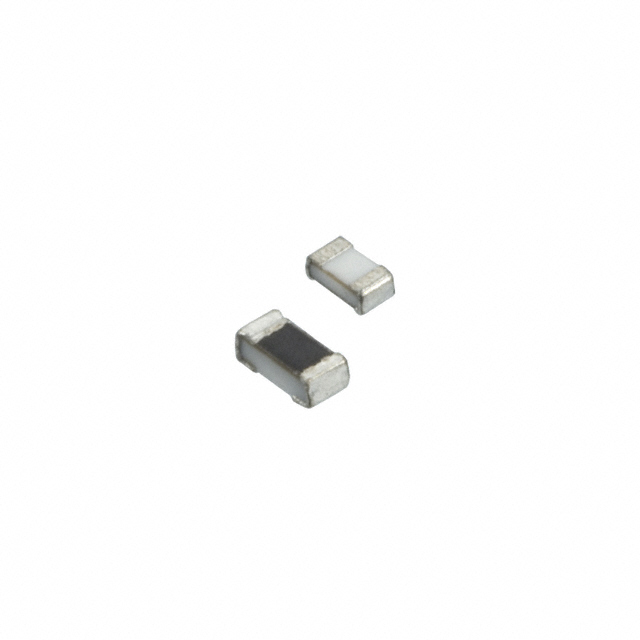
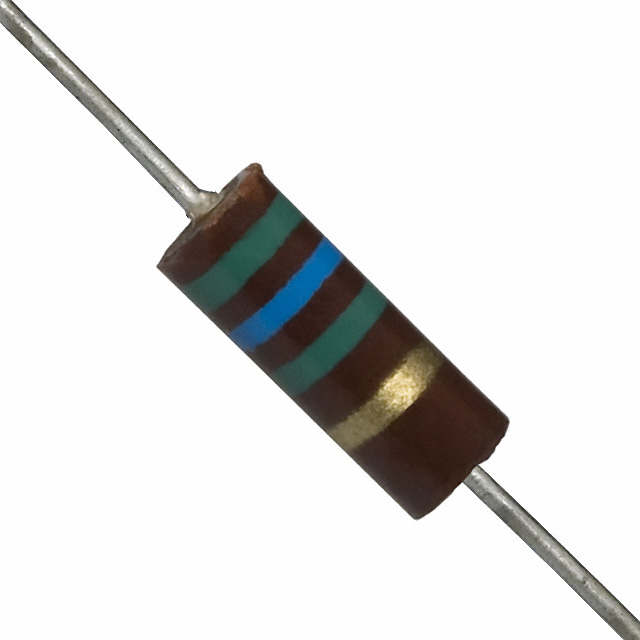
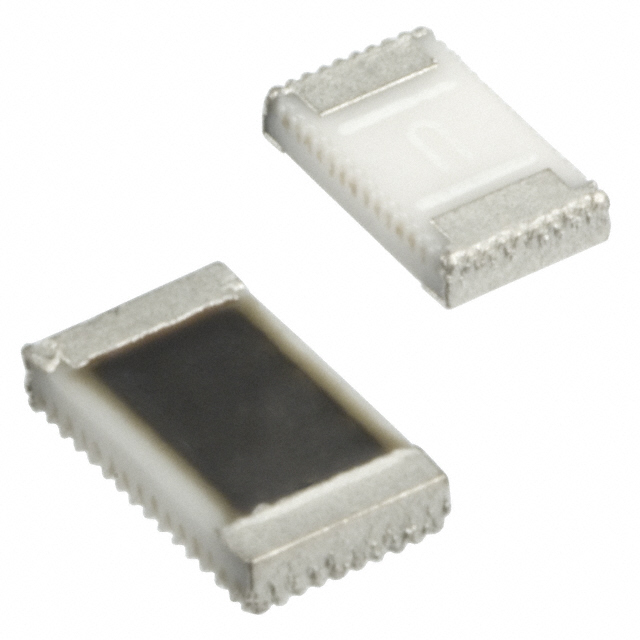
Resistors:
- Definition: Resistors limit current flow and divide voltages in a circuit.
- Types:
- Fixed Resistors: Provide a constant resistance value.
- Variable Resistors: Allow resistance to be adjusted (e.g., potentiometers).
- Applications: Voltage dividers, current limiters, biasing circuits.
-
Capacitors:
- Definition: Capacitors store and release electrical energy, and they filter signals by blocking direct current (DC) while allowing alternating current (AC) to pass.
- Types:
- Electrolytic Capacitors: High-capacitance values for power supply filtering.
- Ceramic Capacitors: Low-capacitance values for high-frequency applications.
- Applications: Power supplies, signal coupling, timing circuits.
-
Inductors:
- Definition: Inductors store energy in a magnetic field when electrical current flows through them. They are used for filtering and energy storage.
- Types:
- Chokes: Filter out high-frequency noise in power supplies.
- Transformers: Transfer energy between circuits through electromagnetic induction.
- Applications: Power supplies, radio-frequency circuits, signal filtering.

3. Electromechanical Components
Electromechanical components combine electrical and mechanical functions, playing a key role in controlling and connecting electronic circuits.
-
Relays:
- Definition: Relays are electrically operated switches that use an electromagnet to mechanically open or close circuits.
- Types:
- Electromechanical Relays: Use physical contacts to switch circuits.
- Solid-State Relays: Use semiconductor devices to switch without moving parts.
- Applications: Industrial automation, automotive systems, power control.
-
Switches:
- Definition: Switches control the flow of electrical current by opening or closing circuits.
- Types:
- Toggle Switches: Manually operated switches that maintain their state.
- Push-Button Switches: Momentary switches that return to their default state when released.
- Applications: User interfaces, power control, circuit selection.
-
Connectors:
- Definition: Connectors join electrical circuits together and allow for easy disconnection and reconnection.
- Types:
- PCB Connectors: Connect electronic components to printed circuit boards.
- Cable Connectors: Connect different devices through cables (e.g., USB, HDMI).
- Applications: Data transmission, power delivery, signal connection.

4. Optoelectronic Products
Optoelectronic components are devices that detect or emit light and are used for sensing, communication, and display applications.
-
LEDs (Light-Emitting Diodes):
- Definition: LEDs emit light when current passes through them and are widely used for indicators and lighting.
- Applications: Displays, indicators, general lighting.
-
Photodiodes:
- Definition: Photodiodes detect light and convert it into electrical current, used for sensing light levels or detecting optical signals.
- Applications: Light sensors, optical communication receivers.
-
Laser Diodes:
- Definition: Laser diodes emit coherent light, commonly used in optical communication and scanning systems.
- Applications: Fiber-optic communication, barcode scanners, laser pointers.
-
Optocouplers:
- Definition: Optocouplers transfer electrical signals between two isolated circuits using light.
- Applications: Signal isolation, protection of sensitive components.

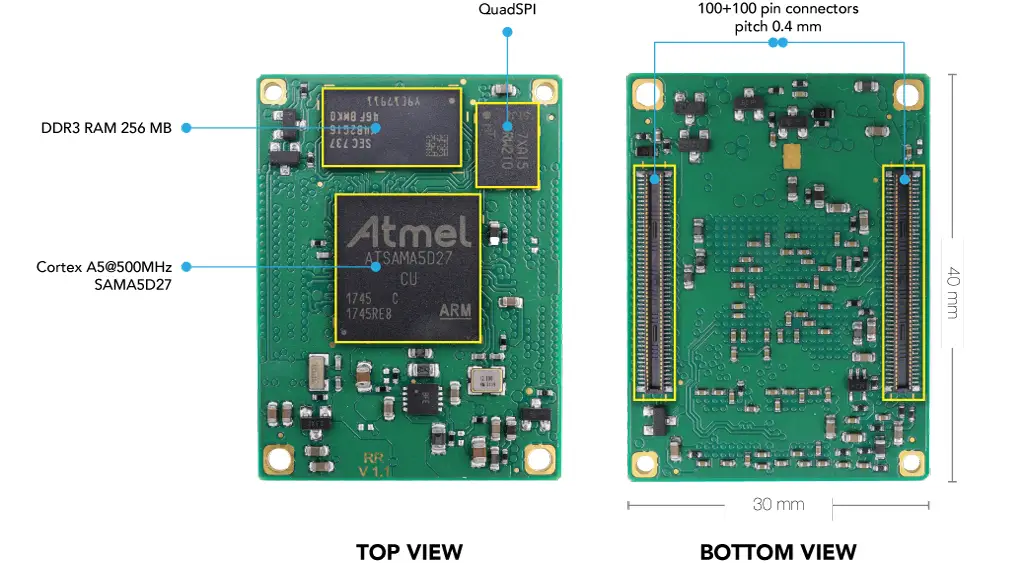
5. Embedded Systems and Modules
Embedded systems are specialized computing systems that perform dedicated functions within a larger system. Modules are pre-assembled functional units that can be integrated into larger systems.
-
Microcontrollers (MCUs):
- Definition: Microcontrollers are compact integrated circuits designed to govern specific operations in embedded systems.
- Applications: Home appliances, automotive control systems, IoT devices.
-
System-on-Chip (SoC):
- Definition: SoCs integrate all the components of a computer or electronic system onto a single chip, including a processor, memory, and peripherals.
- Applications: Smartphones, tablets, embedded devices.
-
Communication Modules:
- Definition: These modules provide wireless communication capabilities, such as Wi-Fi, Bluetooth, or cellular connectivity.
- Applications: IoT devices, remote sensing, wireless networking.
-
Power Modules:
- Definition: Power modules integrate power electronics components into a single unit for efficient power conversion and management.
- Applications: Industrial automation, electric vehicles, renewable energy systems.
-
Sensor Modules:
- Definition: Sensor modules integrate sensing elements with signal conditioning circuitry, making it easier to integrate into systems.
- Applications: Environmental monitoring, wearable devices, robotics.
In-Depth Analysis of Major Global Electronic Component Distributors
Electronic component distribution is dominated by several key players who have established themselves as leaders through strategic growth, diverse product offerings, and strong financial performance. Here is an analysis of some of the most prominent global electronic component distributors:
1. Arrow Electronics
Company Background and History:
- Founded: 1935
- Headquarters: Centennial, Colorado, USA
- Overview: Arrow Electronics began as a small storefront in New York City, selling radio parts. Over the decades, it grew through a series of strategic acquisitions and expansions, becoming a global leader in electronic components and enterprise computing solutions.
- Development: Arrow has expanded its footprint worldwide, with operations in over 85 countries. The company's growth strategy has focused on acquiring companies that complement its product offerings, such as the acquisition of United Technical Products in 1968, and later the acquisition of key players like Wyle Electronics and A.E. Petsche.
Financial Performance and Market Share:
- Revenue: Over $30 billion annually (2023 estimate)
- Market Share: Arrow is one of the largest electronic components distributors globally, holding a significant share of the market, particularly in North America and Europe.
- Stock Performance: Arrow Electronics is publicly traded on the New York Stock Exchange (NYSE: ARW), and its financial performance has been strong, with steady growth in revenue and profitability.
Product Portfolio and Service Features:
- Product Range: Arrow offers a comprehensive range of products, including semiconductors, passive components, electromechanical products, and embedded solutions. The company also provides value-added services such as design engineering, supply chain management, and custom programming.
- Digital Transformation: Arrow has invested heavily in digital platforms, offering customers online tools for design, procurement, and inventory management through platforms like Arrow.com and SiliconExpert.
- Innovation: Arrow has positioned itself as a technology solutions provider, not just a distributor. The company supports its customers with design services, technical support, and innovation labs, helping bring new products to market faster.
2. Ersa electronics
Company Background and History:
Founded: 2015
Headquarters: Flat/Rm A7/Fkimley Commercial Building142-146 Queen's Road Central HK
Overview: Avnet started as an offline stock electronic component distributor and has gradually developed into one of the most advanced online electronic component distributors. The company has a rich history of acquisitions and expansions, consolidating its global influence.
Development: Ersa electronics' growth is due to global distribution, including countries such as the UK, Germany, Japan, Brazil, etc.
Financial Performance and Market Share:
Revenue: Approximately US$100 million per year (estimated in 2023)
Market Share: Ersa electronics is a major player in the global distribution market, especially strong in North America and Asia Pacific.
Product Portfolio and Service Features:
Product Range: Avnet's product portfolio includes semiconductors, connectors, embedded systems and passive devices. They also provide professional products in areas such as the Internet of Things, artificial intelligence and cloud computing.
Services: Ersa electronics provides a wide range of design and engineering services, including technical support, system integration and supply chain solutions. The company also offers an extensive set of digital tools for product selection, design and procurement. The company's best feature is that you can apply for free samples to help your project smoothly through the testing phase
Global influence: Ersa electronics operates in more than 125 countries and has a strong logistics and distribution network to ensure timely delivery and provide local support to customers.
3. Digi-Key Electronics
Company Background and History:
- Founded: 1972
- Headquarters: Thief River Falls, Minnesota, USA
- Overview: Digi-Key started as a small mail-order business selling kits for hobbyists. Over time, it has grown into one of the largest online distributors of electronic components, known for its extensive catalog and rapid shipping.
- Development: Digi-Key has focused on expanding its online presence and global reach. The company is known for its massive product inventory and ability to ship products quickly to customers worldwide. Its growth has been largely organic, driven by its reputation for reliability and service.
Financial Performance and Market Share:
- Revenue: Over $4 billion annually (2023 estimate)
- Market Share: Digi-Key is a significant player in the electronic components distribution market, especially in the e-commerce space, where it is a leader.
- Stock Performance: Digi-Key is privately held, so it does not trade publicly, but it has consistently reported strong financial performance.
Product Portfolio and Service Features:
- Product Range: Digi-Key offers over 11.5 million products, including semiconductors, passives, electromechanical components, and development kits. They are particularly strong in supporting small to medium-sized orders, catering to both hobbyists and professional engineers.
- Services: Digi-Key is known for its fast, efficient service, with most orders shipping within hours. They also provide a wealth of online resources, including design tools, reference designs, and educational content.
- E-Commerce Focus: Digi-Key’s business model is heavily centered on e-commerce, with an emphasis on providing a seamless online shopping experience, extensive product information, and global shipping options.
4. Mouser Electronics
Company Background and History:
- Founded: 1964
- Headquarters: Mansfield, Texas, USA
- Overview: Mouser Electronics began as a small electronics distributor serving the needs of local engineers and educators. Today, it is a global distributor known for its focus on new product introductions (NPIs) and its extensive online catalog.
- Development: Mouser has grown significantly by expanding its global distribution network and enhancing its online platform. The company is a subsidiary of Berkshire Hathaway, providing it with the financial backing to invest in technology and growth initiatives.
Financial Performance and Market Share:
- Revenue: Over $3 billion annually (2023 estimate)
- Market Share: Mouser holds a significant share of the market, particularly strong in the distribution of new products and catering to engineers and designers.
- Stock Performance: As a subsidiary of Berkshire Hathaway, Mouser is not publicly traded, but it benefits from the financial strength and stability of its parent company.
Product Portfolio and Service Features:
- Product Range: Mouser offers millions of products, including semiconductors, connectors, passives, and more. They are particularly known for carrying the latest products from leading manufacturers, making them a go-to distributor for cutting-edge technology.
- Services: Mouser provides a range of value-added services, including technical support, design resources, and customized inventory solutions. Their focus on NPIs helps engineers access the latest components for their designs.
- Global Reach: Mouser operates in over 170 countries, with a strong logistics network that ensures fast delivery and local support.
Electronic Component Distribution in Emerging Markets
Emerging markets like China, India, and Southeast Asia are increasingly important in the global electronics industry. The distribution landscape in these regions is shaped by unique market characteristics, a mix of local and multinational players, and specific challenges and strategies for market entry.
1. Regional Market Characteristics
-
China:
- Market Overview: China is the world's largest market for electronic components, driven by its massive electronics manufacturing industry. The market is highly competitive, with both local and international distributors playing significant roles.
- Trends: The demand for advanced components, especially in sectors like 5G, AI, and electric vehicles, is growing rapidly. Government initiatives like “Made in China 2025” are also driving domestic innovation.
- Regulatory Environment: China's regulatory landscape can be complex, with evolving standards and government policies that favor local players. Compliance with regulations and understanding local business practices are critical.
-
India:
- Market Overview: India is an emerging hub for electronics manufacturing, particularly in consumer electronics, automotive, and telecommunications. The "Make in India" initiative aims to boost domestic production and reduce dependency on imports.
- Trends: The growth of the Internet of Things (IoT), mobile devices, and renewable energy sectors is increasing demand for electronic components. However, the market is still developing, with infrastructure and supply chain challenges.
- Regulatory Environment: India has implemented policies to encourage local manufacturing, including import tariffs on electronic components. Navigating these policies and local sourcing requirements is essential for success.
-
Southeast Asia:
- Market Overview: Southeast Asia is a diverse market with rapidly growing economies like Vietnam, Thailand, and Malaysia. The region is becoming an alternative manufacturing hub as companies diversify supply chains away from China.
- Trends: The growth of smart cities, automation, and industrial electronics is driving demand for components. ASEAN countries are also working towards greater economic integration, which could ease cross-border trade.
- Regulatory Environment: Each country in Southeast Asia has its own regulatory framework, making it important for distributors to tailor their strategies to each market. Free trade agreements within ASEAN can also influence market dynamics.
2. Local Distributors vs. Multinational Distributors
-
Local Distributors:
- Strengths: Local distributors have deep knowledge of regional markets, established relationships with local manufacturers, and an understanding of cultural and business practices. They are often more agile in responding to market changes.
- Challenges: They may lack the scale, resources, and technology of multinational distributors, making it harder to compete on price and service offerings.
-
Multinational Distributors:
- Strengths: Multinational distributors bring extensive product portfolios, advanced logistics, and global supply chain capabilities. They can leverage their global networks to offer a broader range of products and services.
- Challenges: Multinational distributors must adapt to local market conditions and may face resistance from local businesses that prefer dealing with domestic companies.
3. Market Entry Strategies and Challenges
-
Market Entry Strategies:
- Partnerships and Joint Ventures: Forming partnerships with local distributors or entering joint ventures can help multinational companies navigate regulatory challenges, access local networks, and build trust with customers.
- Localization: Adapting products, services, and marketing strategies to align with local preferences and cultural nuances is crucial. This includes offering localized technical support, documentation, and customer service.
- Technology and Digital Platforms: Investing in e-commerce platforms and digital tools can help distributors reach a broader audience, particularly in markets with a growing demand for online procurement.
-
Challenges:
- Regulatory and Compliance Issues: Each market has its own regulatory requirements, including import duties, product certifications, and trade restrictions. Keeping up with these regulations and ensuring compliance is a significant challenge.
- Supply Chain and Infrastructure: In many emerging markets, infrastructure may be underdeveloped, leading to challenges in logistics, warehousing, and last-mile delivery. Efficient supply chain management is critical to overcoming these hurdles.
- Competition: Emerging markets often have a mix of established local players and new entrants, leading to intense competition. Differentiating through value-added services, technology, and customer support is essential.
- Political and Economic Stability: Political and economic instability can affect market conditions, making it difficult for distributors to plan long-term investments. Understanding the local political landscape is important for risk management.
Digital Transformation in the Electronic Component Distribution Industry
The electronic component distribution industry is undergoing a significant digital transformation, driven by advancements in e-commerce, big data, artificial intelligence, and blockchain technology. These innovations are reshaping how distributors manage inventory, engage with customers, and ensure the integrity of their supply chains.
1. Development of E-commerce Platforms
-
Shift to Online Sales: As the industry moves toward digital channels, e-commerce platforms have become central to distribution strategies. Distributors like Digi-Key, Mouser Electronics, Ersa Electronics, and Arrow Electronics have invested heavily in developing sophisticated online platforms that offer customers a seamless procurement experience. These platforms provide real-time inventory data, technical resources, and easy access to millions of products.
-
Features and Capabilities:
- Product Search and Comparison: Advanced search functions, filtering options, and comparison tools allow customers to find the exact components they need quickly.
- Customer Personalization: Personalized recommendations based on purchasing history and preferences help improve the customer experience.
- Integration with ERP and Supply Chain Systems: E-commerce platforms are increasingly integrated with customers’ enterprise resource planning (ERP) systems, enabling seamless ordering, tracking, and management of procurement processes.
2. Application of Big Data Analytics in Inventory and Pricing
-
Inventory Optimization: Big data analytics allows distributors to manage inventory more efficiently by analyzing vast amounts of data related to demand patterns, lead times, and supplier performance. Predictive analytics helps forecast demand more accurately, reducing stockouts and excess inventory.
-
Dynamic Pricing: Big data also plays a crucial role in pricing strategies. Distributors can analyze market trends, competitor pricing, and customer purchasing behavior to implement dynamic pricing models that maximize profitability while remaining competitive. For example, pricing can be adjusted in real-time based on supply and demand fluctuations, customer segmentation, and market conditions.
-
Customer Insights: By leveraging big data, distributors gain deeper insights into customer needs and behaviors, enabling them to tailor marketing efforts, improve customer engagement, and drive sales growth.
3. Artificial Intelligence in Customer Service and Demand Forecasting
-
AI-powered Customer Service: Artificial intelligence is revolutionizing customer service in the distribution industry. AI-driven chatbots and virtual assistants provide instant support, answer technical queries, and guide customers through the purchasing process 24/7. These tools can handle a large volume of inquiries, reducing response times and improving customer satisfaction.
-
Enhanced Demand Forecasting: AI algorithms are increasingly used for more accurate demand forecasting. By analyzing historical sales data, market trends, and external factors such as economic indicators or seasonality, AI can predict future demand with greater precision. This enables better inventory planning, reduces the risk of stockouts or overstock, and optimizes supply chain operations.
-
Sales and Marketing Automation: AI also aids in automating sales and marketing processes, such as lead generation, customer segmentation, and personalized marketing campaigns, helping distributors target the right customers at the right time.
4. Blockchain Technology for Supply Chain Transparency and Anti-Counterfeiting
-
Supply Chain Transparency: Blockchain technology offers a decentralized and immutable ledger that enhances transparency across the supply chain. Distributors can track the origin, movement, and handling of components from the manufacturer to the end customer. This visibility helps ensure that all parties in the supply chain comply with regulations and maintain high standards.
-
Anti-Counterfeiting Measures: Counterfeit electronic components pose a significant risk, especially in industries like aerospace, automotive, and healthcare. Blockchain technology can be used to authenticate components by creating a digital “fingerprint” for each item that is recorded on the blockchain. This ensures that all products are genuine and traceable back to their source, significantly reducing the risk of counterfeit components entering the supply chain.
-
Smart Contracts: Blockchain-enabled smart contracts automatically execute agreements when predefined conditions are met. In the context of distribution, this can streamline transactions, reduce administrative costs, and ensure timely payments and deliveries.
Conclusion
The digital transformation of the electronic component distribution industry is enhancing efficiency, improving customer experiences, and securing supply chains. E-commerce platforms are becoming the primary sales channel, while big data analytics and AI are optimizing inventory management, pricing, and customer interactions. Blockchain technology is emerging as a key tool for ensuring transparency and combating counterfeiting in the supply chain. As these technologies continue to evolve, distributors who embrace digital transformation will be better positioned to lead in an increasingly competitive and complex global market.

Related Articles
- ·DDR4 vs DDR5 for Industrial Embedded Systems
- ·How to Choose Industrial DDR4 Memory for Medical Devices
- ·Memory Chip Price Increase: 2026 Market Trends, Samsung Pricing, Key Drivers and FAQ
- ·Memory Chip Manufacturers: Who Makes Memory Chips and Where
- ·Memory Chips: Materials, Applications, Types, and On-Chip Memory Explained
- ·Memory Chip Complete Guide: Definition, Manufacturers, Shortage, Manufacturing Process and Working Principles
- ·Fiber Optic Switch Guide: Definition, Connection Methods, Cabling, Disconnection and FAQ
- ·Optical Fiber Transmitter and Receiver Guide
- ·ICD Driver, LCD Driver & LCD Panel Driver Board Guide
- ·Touch Screen Overlay Guide for Commercial & Industrial Applications
 FAQ
FAQ








.png?x-oss-process=image/format,webp/resize,h_32)


