
 German
 Japanese
 Portuguese
 Korea
Korea
 Mexico
 Dutch
Dutch



Analog Devices Inc.
AD22100AR


Why Choose Us?
Professional Platform
B2B & B2C purchasingDelivery at full speed
1-2 days deliveryWide variety
Original manufacturers365 days guarantee
Responsible quality

.png)


Tech Specifications
AD22100AR Description
AD22100AR Description
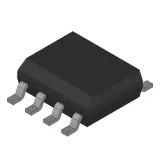
The AD22100AR from Analog Devices Inc. is an analog voltage output temperature sensor designed for precision temperature measurement in industrial, automotive, and consumer applications. Housed in an 8-SOIC surface-mount package, it operates over a -40°C to +85°C range with a supply voltage of 4V to 6.5V. The sensor delivers a linear output of 22.5mV/°C, ensuring high-resolution temperature monitoring. With an accuracy of ±2°C (best case) and ±3.7°C (worst case), it provides reliable performance across its full operating range. The device is classified under EAR99 and HTSUS 8542.39.0001, making it suitable for global export.
AD22100AR Features
- Analog Voltage Output: Simplifies interfacing with ADCs and microcontrollers.
- Wide Operating Range: -40°C to +85°C, ideal for harsh environments.
- High Resolution: 22.5mV/°C output slope for precise temperature sensing.
- Low Power Consumption: Operates from a 4V to 6.5V supply, minimizing energy usage.
- Surface-Mount Design: 8-SOIC package for compact PCB integration.
- Robust Performance: ±2°C accuracy at room temperature, ±3.7°C over full range.
- MSL 1 (Unlimited): Moisture-resistant packaging for extended shelf life.
AD22100AR Applications
- Industrial Control Systems: Monitoring equipment temperature in PLCs and motor drives.
- Automotive Electronics: Engine management, cabin climate control, and battery thermal monitoring.
- Consumer Devices: Smart thermostats, white goods, and HVAC systems.
- Medical Equipment: Temperature stabilization in diagnostic devices.
- Embedded Systems: Low-cost thermal management for microcontrollers and FPGAs.
Conclusion of AD22100AR
The AD22100AR stands out for its analog simplicity, wide operating range, and high resolution, making it a versatile choice for temperature sensing. While now obsolete, its robust performance and ease of integration ensure continued relevance in legacy designs. Engineers favor it for applications demanding reliable analog output without complex calibration. For modern alternatives, consider newer Analog Devices sensors with digital interfaces, but the AD22100AR remains a proven solution for analog-centric systems.
FAQ
Not available to buy online? Want the lower wholesale price? Please Send RFQ to get best price, we will respond immediately








.png?x-oss-process=image/format,webp/resize,h_32)


