
 German
 Japanese
 Portuguese
 Korea
Korea
 Mexico
 Dutch
Dutch




Why Choose Us?
Professional Platform
B2B & B2C purchasingDelivery at full speed
1-2 days deliveryWide variety
Original manufacturers365 days guarantee
Responsible quality

.png)


Tech Specifications
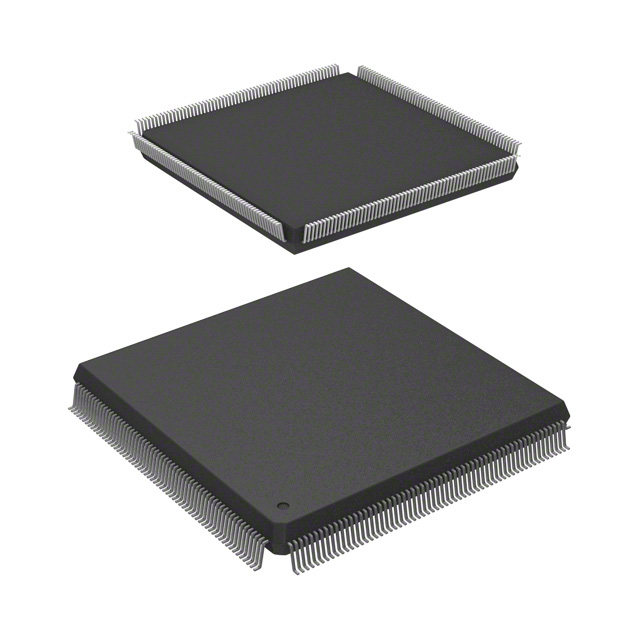
AT40K10-2EQC Description
Microchip Technology's AT40K10-2EQC is a high-performance, 10kbit EEPROM (Electrically Erasable Programmable Read-Only Memory) designed for use in a wide range of applications. This EEPROM is known for its reliability, endurance, and compatibility with various microcontroller and microprocessor systems.
Description:
The AT40K10-2EQC is a 2-wire serial EEPROM that offers a memory capacity of 10kbits (128 x 64 bytes) organized in 128 pages, with each page containing 64 bytes. It operates with a supply voltage range of 2.7V to 5.5V and has a data retention time of 40 years. The device is available in a compact 8-pin SOIC package.
Features:
- 10kbit memory capacity: The AT40K10-2EQC provides ample storage for various applications, including data logging, configuration settings, and calibration data.
- 2-wire serial interface: The device uses a simple 2-wire interface, making it easy to integrate with microcontrollers and other systems.
- Wide operating voltage range: The EEPROM operates between 2.7V and 5.5V, making it suitable for a variety of power supply configurations.
- Fast read and write speeds: The AT40K10-2EQC offers fast read and write times, ensuring efficient data access and storage.
- High endurance: The device can withstand up to 1 million write/erase cycles, ensuring long-lasting performance.
- Data retention: With a data retention time of 40 years, the EEPROM ensures that stored data remains intact for extended periods.
- Low power consumption: The AT40K10-2EQC is designed to consume minimal power, making it suitable for battery-powered applications.
- ESD protection: The device features electrostatic discharge (ESD) protection, enhancing its reliability and robustness.
Applications:
The AT40K10-2EQC EEPROM is suitable for a wide range of applications, including:
- Data logging: Storing data from sensors and other devices for later analysis or processing.
- Configuration settings: Saving system settings and preferences to maintain consistency across power cycles.
- Calibration data: Storing calibration coefficients for sensors and other devices to ensure accurate measurements.
- Security applications: Storing encryption keys, authentication data, and other sensitive information.
- Industrial control systems: Saving control parameters and system settings for reliable operation.
- Consumer electronics: Storing user preferences, device settings, and firmware updates.
- Automotive applications: Storing calibration data, configuration settings, and other critical information for reliable vehicle operation.
- Medical devices: Saving device settings, calibration data, and patient information for accurate and reliable operation.
FAQ
Not available to buy online? Want the lower wholesale price? Please Send RFQ to get best price, we will respond immediately







.png?x-oss-process=image/format,webp/resize,h_32)


