
Micron Technology
MT29F16G08ADACAH4-IT:C

Why Choose Us?
Professional Platform
B2B & B2C purchasingDelivery at full speed
1-2 days deliveryWide variety
Original manufacturers365 days guarantee
Responsible quality

.png)



Tech Specifications
MT29F16G08ADACAH4-IT:C Description
MT29F16G08ADACAH4-IT:C Description
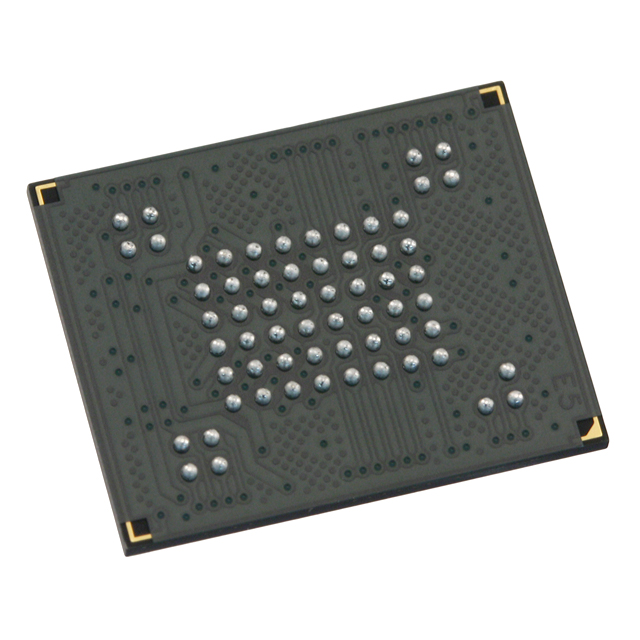
The MT29F16G08ADACAH4-IT:C is a high-density 16Gbit (2G x 8) NAND flash memory device from Micron Technology, designed for applications requiring reliable, high-speed data storage. It features a parallel interface for efficient data transfer and operates within a 2.7V to 3.6V supply voltage range, making it suitable for low-power embedded systems. Packaged in a 63VFBGA form factor, this surface-mount device is RoHS3 compliant and adheres to ECCN 3A991B1A export controls. Although marked as obsolete, it remains a robust solution for legacy designs requiring proven flash memory technology.
MT29F16G08ADACAH4-IT:C Features
- Memory Organization: 2G x 8 structure for flexible addressing.
- Parallel Interface: Enables high-speed data access, ideal for bandwidth-intensive applications.
- Wide Voltage Range: Operates at 2.7V–3.6V, supporting diverse power environments.
- Industrial Robustness: MSL 3 (168 hours) moisture sensitivity ensures reliability in harsh conditions.
- Compliance: REACH unaffected and RoHS3 compliant, meeting environmental standards.
- Legacy Support: Despite obsolescence, offers stable performance for existing systems.
MT29F16G08ADACAH4-IT:C Applications
This NAND flash is optimized for:
- Embedded Systems: Firmware storage in industrial controllers, medical devices, and automotive electronics.
- Data Logging: High-capacity storage for telemetry and sensor data in IoT devices.
- Legacy Upgrades: Replacement or maintenance of older systems requiring parallel flash interfaces.
- Consumer Electronics: Cost-effective storage for set-top boxes, printers, and networking equipment.
Conclusion of MT29F16G08ADACAH4-IT:C
The MT29F16G08ADACAH4-IT:C delivers a balance of high density, parallel performance, and industrial durability, making it a pragmatic choice for legacy and embedded applications. While newer alternatives may offer advanced interfaces, this device remains a dependable option for designs prioritizing proven reliability and compatibility with existing parallel memory architectures. Engineers should evaluate lifecycle status but can leverage its tested performance for long-term deployments.
FAQ
Not available to buy online? Want the lower wholesale price? Please Send RFQ to get best price, we will respond immediately




.png?x-oss-process=image/format,webp/resize,h_32)


