
 German
 Japanese
 Portuguese
 Korea
Korea
 Mexico
 Dutch
Dutch



Texas Instruments
TLC27L7ID


Why Choose Us?
Professional Platform
B2B & B2C purchasingDelivery at full speed
1-2 days deliveryWide variety
Original manufacturers365 days guarantee
Responsible quality

.png)


Tech Specifications
TLC27L7ID Description
TLC27L7ID Description
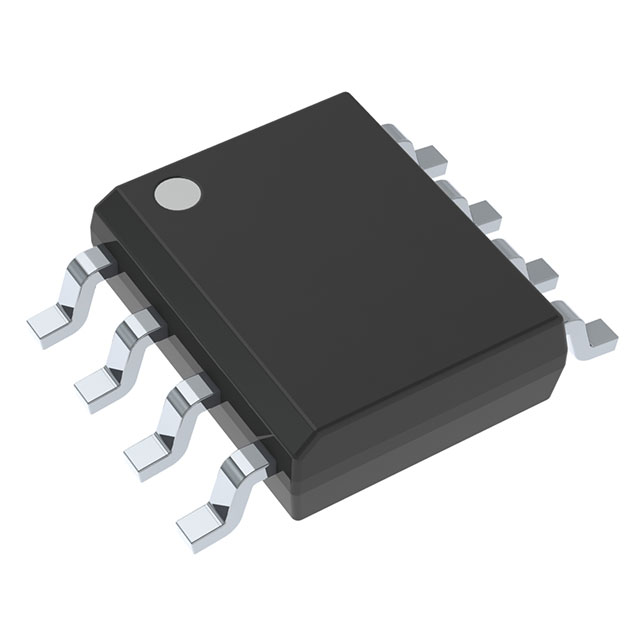
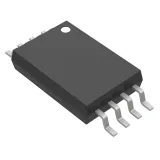
The TLC27L7ID from Texas Instruments is a dual-channel CMOS operational amplifier (op-amp) belonging to the LinCMOS™ series. Designed for low-power precision applications, it operates over a 4V to 16V supply range, making it suitable for battery-powered and portable electronics. With an ultra-low input bias current of 0.6 pA and a low input offset voltage of 170 µV, this op-amp ensures high accuracy in signal conditioning and sensor interfacing. Packaged in an 8-SOIC tube, it is optimized for surface-mount applications while complying with ROHS3 and REACH environmental standards.
TLC27L7ID Features
- Ultra-Low Power: Consumes only 20µA per channel, ideal for energy-sensitive designs.
- Low Noise & High Precision: Features 0.6 pA input bias current and 170 µV offset voltage for minimal signal distortion.
- Wide Supply Range: Operates from 4V to 16V, supporting diverse power sources.
- CMOS Technology: Ensures high input impedance and compatibility with mixed-signal systems.
- Moderate Speed: 110 kHz gain bandwidth and 0.03V/µs slew rate balance power efficiency with performance.
- Robust Output: Delivers 30 mA output current per channel, suitable for driving small loads.
TLC27L7ID Applications
- Portable Medical Devices: ECG amplifiers, blood glucose monitors, and wearable sensors benefit from its low power and precision.
- Battery-Powered Systems: Energy-efficient IoT nodes, wireless sensors, and handheld instruments.
- Signal Conditioning: Ideal for amplifying weak signals from thermocouples, strain gauges, or photodiodes.
- Industrial Controls: Used in low-speed data acquisition, process monitoring, and actuator drivers.
Conclusion of TLC27L7ID
The TLC27L7ID excels in low-voltage, low-power precision applications, offering a unique blend of ultra-low bias current, wide supply range, and CMOS reliability. While its moderate bandwidth limits high-frequency use, it is a standout choice for battery-operated and sensor-based systems requiring accuracy and efficiency. As a Last Time Buy product, engineers should evaluate alternatives for future designs but can leverage its strengths in existing low-power analog circuits.
FAQ
Not available to buy online? Want the lower wholesale price? Please Send RFQ to get best price, we will respond immediately





.png?x-oss-process=image/format,webp/resize,h_32)


