German
 Japanese
 Portuguese
 Korea
 Mexico
 Dutch


AC Fan Motor: Types, Features, and Applications

What is the AC Fan Motor?
AC fan motors are vital components of air conditioning systems, converting electrical energy into mechanical energy to rotate fan blades and ensure effective airflow. They play a crucial role in maintaining cooling efficiency and preventing overheating in HVAC systems. Common types include condenser fan motors, which expel warm air from outdoor units, and blower motors, which circulate cooled air indoors to enhance comfort.
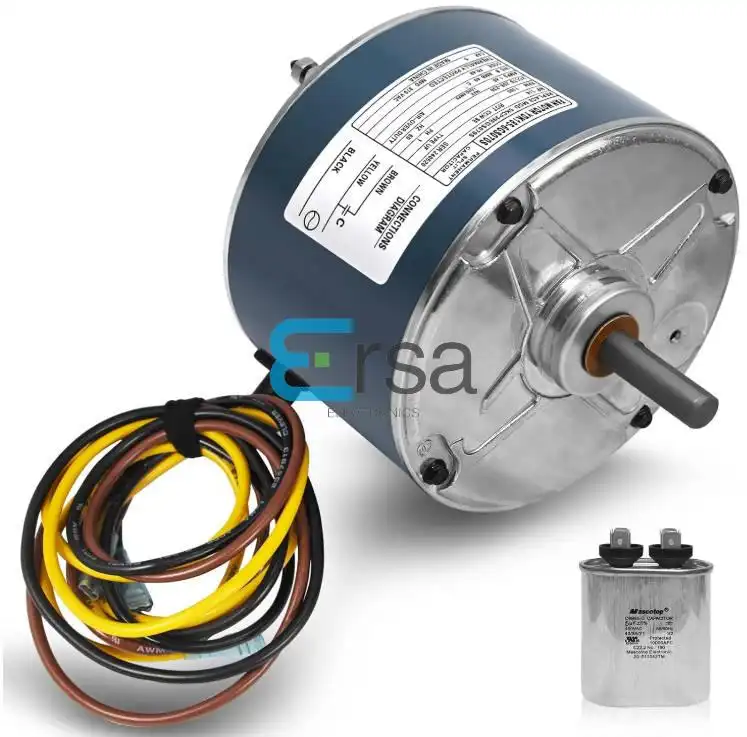
Operating on the principle of electromagnetic induction, AC fan motors rely on alternating current to generate a rotating magnetic field that drives airflow. Their importance lies in improving cooling efficiency, preventing component overheating, and maintaining air quality. However, issues like reduced airflow, non-responsive fans, and overheating can arise without proper maintenance. Regular cleaning and lubrication are key to ensuring optimal performance and extending motor lifespan.
Fan Motor For AC Unit
Here is a comparison of available fan motors for AC units:
| Product | Horsepower (HP) | RPM | Voltage | Features |
| Dayton Condenser Fan Motor | 1/4 HP | 1075 | 60Hz | High starting torque, reversible, suitable for outdoor condensers, vertical/horizontal mount |
| VEVOR Fan Motor | 1/6 HP | 1075 | 208-230V | Dual bearing technology for quieter operation |
| A.O. Smith ORM5458B | 1/3-1/6 HP | 1075 | 60Hz | Auto overload protection, reversible rotation |
| VEVOR Fan Motor | 1/4 HP | 1100 | 208-230V | Explosion-proof, reversible rotation |
| NBK Parts Condenser Motor | 1/6-1/3 HP | 1075 | 208-230V | Multi-HP range, durable design |
Common Types of AC Fan Motors
| Motor Type | Key Features | Applications |
| Permanent Split Capacitor (PSC) | Run capacitor always in the circuit; medium torque; efficient for continuous operation. | Blower and condenser applications in residential and light commercial systems. |
| Capacitor Start, Capacitor Run (CSCR) | Start and run capacitors; high starting torque; start capacitor disconnects after startup. | Applications requiring high initial power, like heavy-duty AC units. |
| Capacitor Start, Induction Run (CSIR) | Start capacitor only; high starting torque; no run capacitor. | Specific applications with high initial torque needs. |
| Three-Phase Motors | It requires three-phase power, no capacitors, and high efficiency and reliability. | Larger commercial HVAC systems. |
| Shaded Pole Motors | Small, low-torque; runs in one direction; no capacitors. | Low-power applications such as small fans. |
| Electronically Commutated Motors (ECM) | High efficiency; variable speeds; uses permanent magnets and electronically switched DC. | Modern HVAC systems prioritize energy efficiency. |
| Blower Motors | Circulates air; available in single-speed and variable-speed options. | Indoor units of air conditioning systems. |
AC fan motors come in various types, each tailored to specific applications in air conditioning systems. These include permanent split capacitor (PSC) motors, which are efficient for continuous operation; capacitor start, capacitor run (CSCR) motors, offering high starting torque; and electronically commutated motors (ECM), known for their energy efficiency and variable-speed capabilities. Other types like shaded pole motors and three-phase motors cater to specific needs, such as low-power applications and larger commercial systems, respectively. The diversity in motor types ensures optimal performance and energy use across different HVAC setups.
Advantages of Using an AC Fan Motor
Using an AC fan motor in air conditioning systems offers several advantages that enhance both performance and efficiency. Here are the key benefits:
1. Energy Efficiency:
- AC fan motors, particularly high-efficiency and variable-speed models, consume less energy compared to traditional motors. They can significantly reduce electricity bills by optimizing energy use during operation.
2. Cost-Effectiveness:
- AC motors generally have a lower initial purchase price compared to DC motors. This affordability makes them a popular choice for budget-conscious consumers.
3. Durability and Longevity:
- These motors are designed for continuous operation and can withstand the demands of HVAC systems, contributing to the overall longevity of the air conditioning unit. A well-functioning AC fan motor reduces stress on other components, like compressors, which can lead to fewer repairs and replacements over time.
4. Improved Airflow:
- AC fan motors facilitate better airflow through the system, which is essential for effective cooling. They help in pulling air through the condenser coils, enhancing the cooling process of refrigerants.
5. Variety of Control Options:
- Many AC fan motors come with flexible control options, including wall controls and remote controls, allowing users to easily adjust settings according to their comfort needs.
6. Noise Levels:
- While some AC motors can produce noise, advancements in technology have led to quieter operation in high-efficiency models. Variable-speed fans operate at lower speeds most of the time, reducing noise during operation.
7. Versatility:
- AC fan motors are versatile and can be used in various applications beyond just air conditioning, including ventilation systems and industrial fans, making them a practical choice for many environments.
8. Simplicity of Maintenance:
- Generally easier to maintain than their DC counterparts, AC fan motors require less frequent servicing due to their robust design and fewer electronic components.
AC Fan Motor Applications
AC fan motors are integral components in various applications, primarily within HVAC systems. Their functionality spans a range of uses, each contributing to the efficiency and effectiveness of air conditioning systems. Here are the primary applications of AC fan motors:
1. Condenser Units:
- Function: AC fan motors in condenser units are responsible for expelling warm air from the system, which helps cool the refrigerant circulating through the coils.
- Importance: This process is crucial for maintaining optimal operating temperatures and preventing overheating, thus enhancing the overall efficiency of the air conditioning system.
2. Blower Units:
- Function: Blower motors circulate cooled air throughout indoor spaces by pushing air over evaporator coils and into ductwork.
- Importance: They ensure that conditioned air reaches all areas of a building, maintaining consistent temperature and comfort levels.
3. Air Handling Units (AHUs):
- Function: In AHUs, AC fan motors facilitate air circulation and filtration, moving air through heating and cooling elements.
- Importance: This application is vital for maintaining indoor air quality and temperature control in commercial and residential buildings.
4. Cooling Towers:
- Function: AC fan motors in cooling towers help dissipate heat from water used in cooling systems by moving air over water-filled surfaces.
- Importance: This enhances the cooling process in industrial applications and large HVAC systems.
5. Ventilation Systems:
- Function: These motors are used in various ventilation systems to ensure proper airflow and exchange of indoor and outdoor air.
- Importance: They play a key role in maintaining healthy indoor environments by preventing stagnation and promoting fresh air circulation.
6. Refrigeration Units:
- Function: In refrigeration systems, AC fan motors assist in circulating air around evaporator coils to maintain low temperatures.
- Importance: This application is essential for preserving perishable goods in commercial refrigeration units.
7. Industrial Applications:
- Function: AC fan motors are utilized in various industrial settings for cooling machinery, processes, or workspaces.
- Importance: They help prevent overheating of equipment, ensuring operational efficiency and safety.
Signs of a Failing AC Fan Motor
| Sign | Description | Potential Cause |
| Fan Won't Start | The fan does not start when the AC is on. | Malfunctioning motor; risk of frozen evaporator coils. |
| Fan Runs Continuously | The fan continues running even after the AC is turned off. | Electrical issue or motor fault. |
| Slow Rotating Blades | Fan blades rotate slowly, reducing airflow and increasing energy consumption. | Struggling motor operation. |
| No Movement of Outside Fan | Outside fan blades remain stationary when the AC is operational. | Serious motor issue; the fan should visibly rotate. |
| Unusual Noises | Rattling, humming, or buzzing noises from the unit. | Worn-out bearings or loose components. |
| Intermittent Operation | AC runs intermittently or shuts off unexpectedly. | Overheating motor or electrical issues. |
| No Cold Airflow | Insufficient or no cold air coming from vents. | Problem with the blower motor or failing fan motor. |
| Burning Smell | Burning odor during AC operation. | Overheating motor components; a potential fire hazard. |
| Tripped Circuit Breaker | Frequent tripping of circuit breakers when running the AC. | Excessive current draw due to malfunctioning motor parts. |
AC Fan Motor Replacement: How to Replace an AC Fan Motor?
| Step | Description |
| Tools and Materials Needed | Screwdrivers, wrench set, multimeter, safety glasses, gloves, new condenser fan motor. |
| Safety Precautions | Disconnect power at the circuit breaker; wear safety glasses and gloves to prevent injuries. |
| Step 1: Disconnect Power | Turn off the AC unit’s power completely at the circuit breaker or disconnect switch. |
| Step 2: Remove Fan Cover | Unscrew and remove the condenser fan cover to access the fan motor. |
| Step 3: Disconnect Wiring | Label and disconnect motor wiring, using a multimeter to ensure no power is flowing. |
| Step 4: Remove Old Motor | Use a wrench to loosen the fasteners and detach the old motor from the shaft. |
| Step 5: Install New Motor | Align and secure the new motor to the shaft using the original fasteners, ensuring it spins freely. |
| Step 6: Reconnect Wiring | Reconnect the wires to the new motor, ensuring correct and secure connections. |
| Step 7: Reassemble Unit | Replace and secure the condenser fan cover, ensuring all components are properly fastened. |
| Step 8: Restore Power | Turn on the circuit breaker and thermostat; verify smooth motor operation without unusual noises. |
| Troubleshooting Tips | Check for secure power connections, test components like capacitors, and use a multimeter for testing. |
Replacing an AC fan motor is a manageable task with basic tools and adherence to safety protocols. Steps include disconnecting power, removing the fan cover, swapping out the motor, and reassembling the unit. Always ensure secure wiring and test for proper operation. If challenges arise, consult an HVAC professional to restore the system effectively and safely.
How to Test an AC Fan Motor?
Testing an AC fan motor is essential to determine if it is functioning properly or if it requires replacement. Here’s a step-by-step guide to effectively test an AC fan motor using a multimeter.
Tools Needed
- Multimeter
- Screwdriver
- Safety glasses
- Work gloves
Steps to Test an AC Fan Motor
1. Safety First:
- Disconnect Power: Turn off the power to the AC unit at the circuit breaker to prevent electrical shock.
- Wear Protective Gear: Use safety glasses and gloves for protection.
2. Inspect the Motor:
- Check for any visible signs of damage, such as burnt wires or physical wear on the motor itself. Look for bulging or leaking capacitors as these may indicate issues.
3. Check Power Supply:
- Ensure the circuit breaker is not tripped and that the power supply to the unit is functioning correctly. You can do this by checking other devices on the same circuit.
4. Perform a Continuity Test:
- Set your multimeter to the ohms setting (Ω).
- Disconnect the wiring from the motor terminals.
- Measure resistance between the motor terminals. A reading of zero indicates a short circuit, while an infinite reading suggests an open circuit, meaning the motor is defective.
5. Test Motor Windings:
- For a typical 120V fan motor, you will find multiple wires (often color-coded).
- Measure the resistance between each wire and the common (usually white). Resistance values should be within a specified range (consult your motor's manual for exact values). A reading of zero or infinite indicates a problem with the windings.
6. Examine the Capacitor:
- If the motor does not run, check the capacitor. Discharge it safely before testing.
- Use a capacitor tester to check its capacitance; it should be within 10% of its rated value. If it’s out of range, replace it.
7. Check for Physical Obstructions:
- Ensure that nothing is blocking the fan blades from spinning freely. Sometimes debris can hinder operation.
8. Reassemble and Test:
- If all tests are satisfactory, reconnect everything securely.
- Restore power and observe if the fan operates smoothly without unusual noises.
By following these steps, you can effectively test your AC fan motor to determine its functionality. If you find any issues during testing—such as short circuits or open windings—it may be time to replace the motor or consult with a professional HVAC technician for further assistance. Regular maintenance and testing can help prolong the lifespan of your AC system and ensure optimal performance.

Related Articles
- ·Qualcomm PM8350 vs. PM8350C: Architecture, Features, Applications, and Selection Guide
- ·Qualcomm PM8150 vs. PM8150B vs. PM8150L: Functions, Architecture, Applications, and Selection Guide
- ·SGM41541 vs. SGM6605: Battery Charger and Synchronous Boost Converter Comparison
- ·ADI LTM4630A vs. LT8645S: Power Module and Silent Switcher Regulator Comparison
- ·Richtek RT8206A vs. RT9013: Architecture, Specifications, Applications, and Design Considerations
- ·MPS MP2657, MPQ6610GJ-AEC1-Z, and MP2856: Identification, Functions, and Application Comparison
- ·TPS6594-Q1 vs. TPS65219-Q1 vs. TPS653860-Q1 vs. LP87745-Q1: TI Automotive PMIC Comparison
- ·Electronic Components Monthly Market Report
- ·MediaTek MT6369, MT6360, MT6365, and MT6375: Functions, Architecture, and Selection Guide
- ·Southchip SC8547, SC8551, and SC89890: Charging Architecture, Key Differences, and Selection Guide
 FAQ