
 German
 Japanese
 Portuguese
 Korea
Korea
 Mexico
 Dutch
Dutch


Connectors (conec): The Tiny Handshake That Makes Electronics Work

If electronics were a rom-com, connectors—let’s call them conec for short—would be the meet-cute moment: two perfectly good circuits, finally introduced, sparks flying (but, you know, the safe kind). From wearables and drones to EVs and factory robots, conec parts are the unsung heroes that let power, data, and RF signals travel safely and repeatably between boards, cables, and modules. In this guide, we’ll tour what conec really means, how to choose the right ones, and why your design budget should always save room for the connector.

1) What Exactly Is a Connector (a.k.a. conec)?
At its simplest, a connector is an electromechanical device that joins parts of an electrical circuit so current and signals can flow. That’s the formal definition—practical reality is more poetic: conec turns separate subsystems into a single, reliable system you can assemble, disassemble, test, ship, and repair. Without conec, circuits would be permanently soldered together and every maintenance job would require a rework station (and a prayer).
A good conec is part electrical path, part mechanical interface, and part insurance policy. It must mate easily, hold firmly, conduct cleanly, and survive the environment without complaint. The best ones do all that while being small, light, and affordable enough to scale.
2) Why conec Matters More Than You Think
Great conec choices reduce contact resistance, preserve signal integrity, cope with vibration and temperature swings, and make manufacturing predictable. Bad conec choices do the opposite—and usually fail when your product is on a truck, in a lab chamber, or 10,000 meters over the Pacific. A connector is not just a commodity; it’s a designed interface that must match your electrical, mechanical, environmental, and regulatory context.
Pro tip: when a project manager says “it’s just a connector,” that’s when you order extra samples and start the validation plan. Future-you will send past-you a thank-you coffee.
3) Meet the Family: Popular conec Types and Where They Fit
- Board-to-board / mezzanine conec keeps everything inside the enclosure, saving weight and assembly time.
- Wire-to-board forms the classic harness-to-PCB bridge with headers, housings, crimps, and locks.
- I/O connectors (USB-C, HDMI, RJ-45, coax) face the outside world and juggle durability with signal performance.
- Circular industrial conec (e.g., M12 families) bring sealing and mechanical robustness to sensors and actuators on the factory floor.
- High-speed mezzanines and edge connectors keep multi-gigabit links happy—if you respect impedance, reference paths, and return currents.
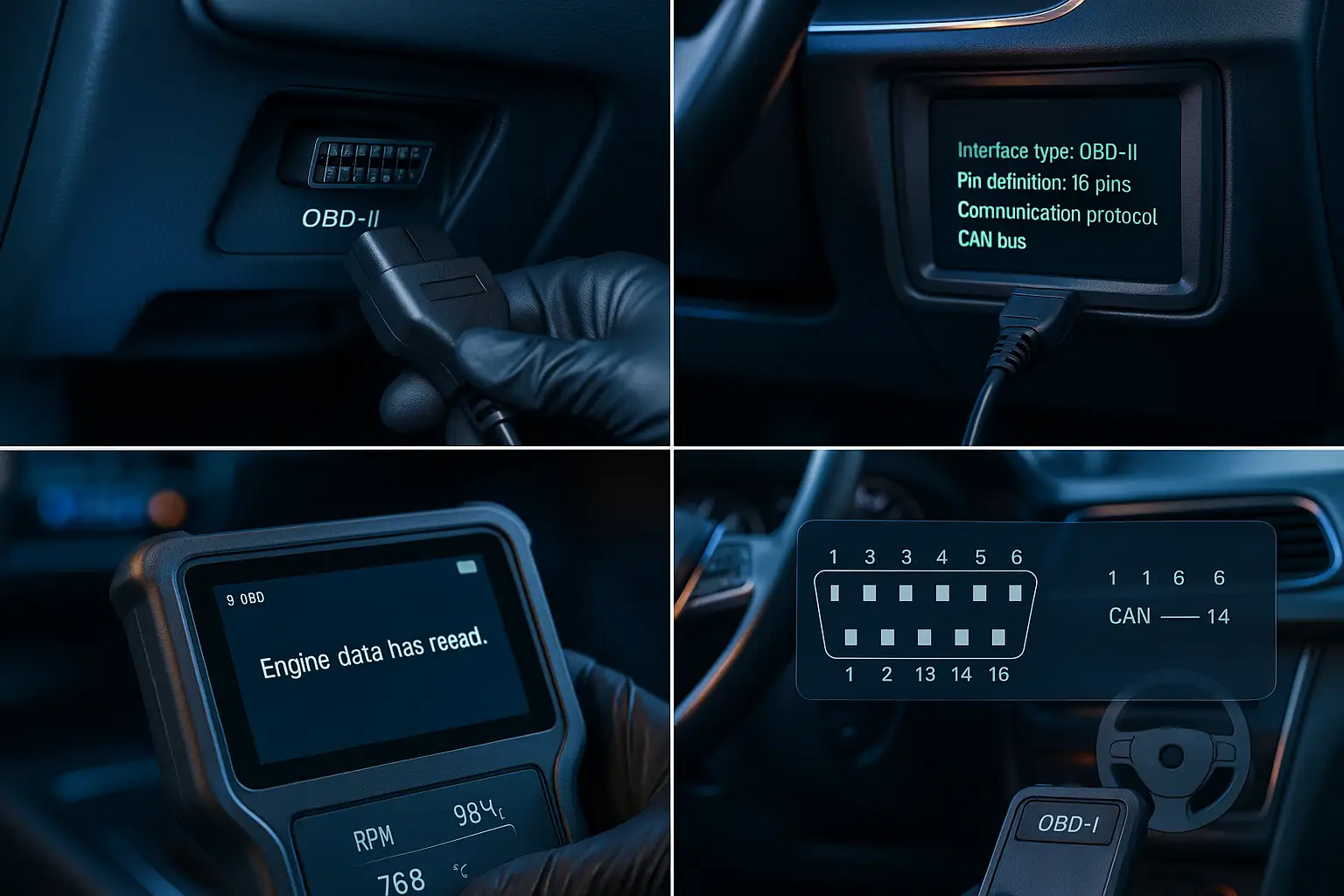
A quick celebrity cameo: USB-C is a 24-pin, reversible I/O conec that can carry data, video, and power through one shell. With modern power delivery profiles, the interface can deliver up to 240 W over qualified Type-C cable assemblies—huge for laptops and even some light industrial gear. The catch? The entire chain—host, device, cable, and any adapters—must all agree on the rules.
4) Enviro-Proofing conec: IP Ratings, Seals, and Reality Checks
If your conec will live near splashes, dust, or washdowns, Ingress Protection (IP) ratings matter. IP codes (e.g., IP67) describe dust and water resistance; IP67 means dust-tight and protected against temporary immersion. One practical caveat designers often miss: the stated IP rating for many connectors applies only when mated and locked—the uncapped, unmated side is usually far less protected. Plan your seals, boots, and caps accordingly.
For industrial conec like M12, the combination of threaded coupling, O-rings, and gasketed receptacles creates a robust, vibration-resistant interface well-suited to sensors, vision systems, and actuators—even in damp or oily environments. If your device will be power-washed, specify protective caps, check gasket compression in the mechanical stack-up, and validate the assembly torque.
5) Metallurgy for Mortals: Contacts, Plating, and Mating Cycles
A conec is only as good as its contacts. Spring geometry and base alloys (copper alloys, phosphor bronze, beryllium copper) set the mechanical baseline; plating finishes tailor performance for corrosion resistance, fretting wear, and low contact resistance.
- Gold plating earns its reputation for signal reliability, especially in low-level or high-cycle applications (test gear, instrumentation, aerospace). Gold resists oxidation, keeps contact resistance stable, and tolerates frequent mating without ugly surprises—handy when your conec will be plugged a thousand times before lunch.
- Tin plating wins on cost and high-current friendliness but needs proper normal force and, ideally, a bit of wiping action to break through films.
- Nickel underplates often sit beneath gold to improve hardness and diffusion barriers.
Always check the mating cycle rating (e.g., 50, 500, 5,000 cycles) and match it to your use case. A lab fixture that’s mated all day needs a very different conec than a once-installed sensor inside a sealed enclosure.
6) The Invisible Geometry: Creepage, Clearance, and Safety
When conec handles higher voltages, creepage (surface distance) and clearance (through-air distance) prevent arcing and tracking. These distances depend on pollution degree, material group, and over-voltage category, and they change with altitude because air gets thinner (yes, your high-mountain customers matter). Safety standards provide tables; your CAD provides reality. If your mechanical team keeps “optimizing” the housing, keep an eye on distances around the connector—and on altitude derating.
A handy mental model: clearance is the “short hop” the spark would take if it could; creepage is the “scenic route” crawling over surfaces. Your job is to make both routes long and boring.

7) High-Speed Reality: How conec Impacts Signal Integrity
At gigabit speeds, a conec is a transmission-line discontinuity that must be tamed. Keep differential pair routing symmetrical into and out of the connector, control reference planes, and know the mated-pair impedance. The shortest connector isn’t always the best; the best is the one that’s electrically consistent through the whole channel.
For reversible I/O like USB-C, extra pins support higher speed modes and alternate modes—but the channel’s data rate is limited by the slowest link (cable, receptacle, PHY, or that questionably sourced adapter). If you haven’t measured eye diagrams or return loss yet, pick a conec family with published high-speed models and application notes. Your SI engineer might name their next test board after you.
8) Picking the Right conec (Without Overthinking It)
Before you order samples, write four short checklists: electrical, mechanical, environmental, and regulatory.
Electrical: voltage/current rating, derating curves, contact resistance, temperature rise, high-speed specs, shielding, and grounding.
Mechanical: mating cycles, retention force, keying and polarization, strain relief, cable OD, bend radius, and how the conec will be assembled on your line.
Environmental: IP rating when mated and unmated, UV/chemical exposure, vibration, shock, salt fog, and operating altitude.
Regulatory: insulation coordination (creepage/clearance), flammability, materials compliance, and any industry-specific marks.
For factory-floor sensors, circular conec is a strong default; for consumer devices, USB-C covers power + data in one shell (with all the PD and cable rules that implies). For sealed outdoor systems, confirm IP ratings, venting, and gasket compression early—your machining and plastics teams will thank you later.
9) Manufacturing, Test, and the “Did We Really Torque That?” Moment
A brilliant conec can still fail if crimp tools are worn, torque specs are ignored, or over-molding squeezes seals out of position. Qualify your process:
- Crimps: pull-tests and cross-sections to verify conductor and insulation bites.
- Assembly: verify torque on threaded or bayonet couplings, and check strain-relief alignment.
- Electrical: continuity, hipot/insulation, and for high-speed links, S-parameter checks if available.
- Environmental: humidity soaks, salt spray, vibration, and thermal cycling where relevant.
Good suppliers document the right crimp applicators, insertion/extraction tools, and housing materials so your line techs aren’t guessing. Great teams document theirs, too.

10) Field Tips from the School of Hard Knocks (a.k.a. Why conec Saves Money)
- Specify caps and boots. IP-rated conec is only IP-rated when mated; give customers a way to protect unmated ends.
- Don’t skimp on plating. If your device will be repeatedly connected, gold is often cheaper than field failures.
- Mind altitude. Creepage/clearance requirements change with height—especially important for drones, aircraft, or high-mountain deployments.
- Label for humans. Keying and polarization are great; silk-screen and mechanical coding are better. Your RMA rate will notice.
- Think strain relief early. A beautiful conec with a kinked cable is still a failure waiting to happen.
11) Final Thoughts: Good conec Is Good Engineering
Connectors rarely steal the spotlight, but conec choices echo through every stage: design validation, manufacturing yield, regulatory testing, field reliability, and customer happiness. Treat conec as part of the signal path and the mechanical structure—because it is. When you get conec right, your products assemble faster, last longer, and perform better. When you get it wrong…well, you’ll learn a lot about RMAs.
Choose wisely, specify clearly, test thoroughly, and your future self will raise a coffee to the humble conec that kept it all connected.

Related Articles
- ·7 Pin Trailer Connector: How to Choose the Right Plug, Wiring, and Setup for Safe Trailer Towing
- ·Nest Power Connector: The Practical Guide to Smart Thermostat Power, C-Wire Alternatives, and Stable HVAC Control
- ·Butt Connectors: How to Choose the Right Crimp Splice for Automotive, Marine, and Industrial Wiring
- ·TNC Connector: The Threaded RF Workhorse You Keep Seeing Everywhere
- ·Connectors (conec): The Tiny Handshake That Makes Electronics Work
- ·Schurter DD12: The Power Entry Module That Does It All⚡
 FAQ
FAQ









.png?x-oss-process=image/format,webp/resize,h_32)


