
 German
 Japanese
 Portuguese
 Korea
Korea
 Mexico
 Dutch
Dutch


How to Remove a DoorKnob?

What are Knobs?

A Knob is essentially a rounded handle that is used to activate a mechanism; they are most frequently found on doors, but they can also be found on drawers, cabinets, and furniture, among other things.
What are Doorknobs?
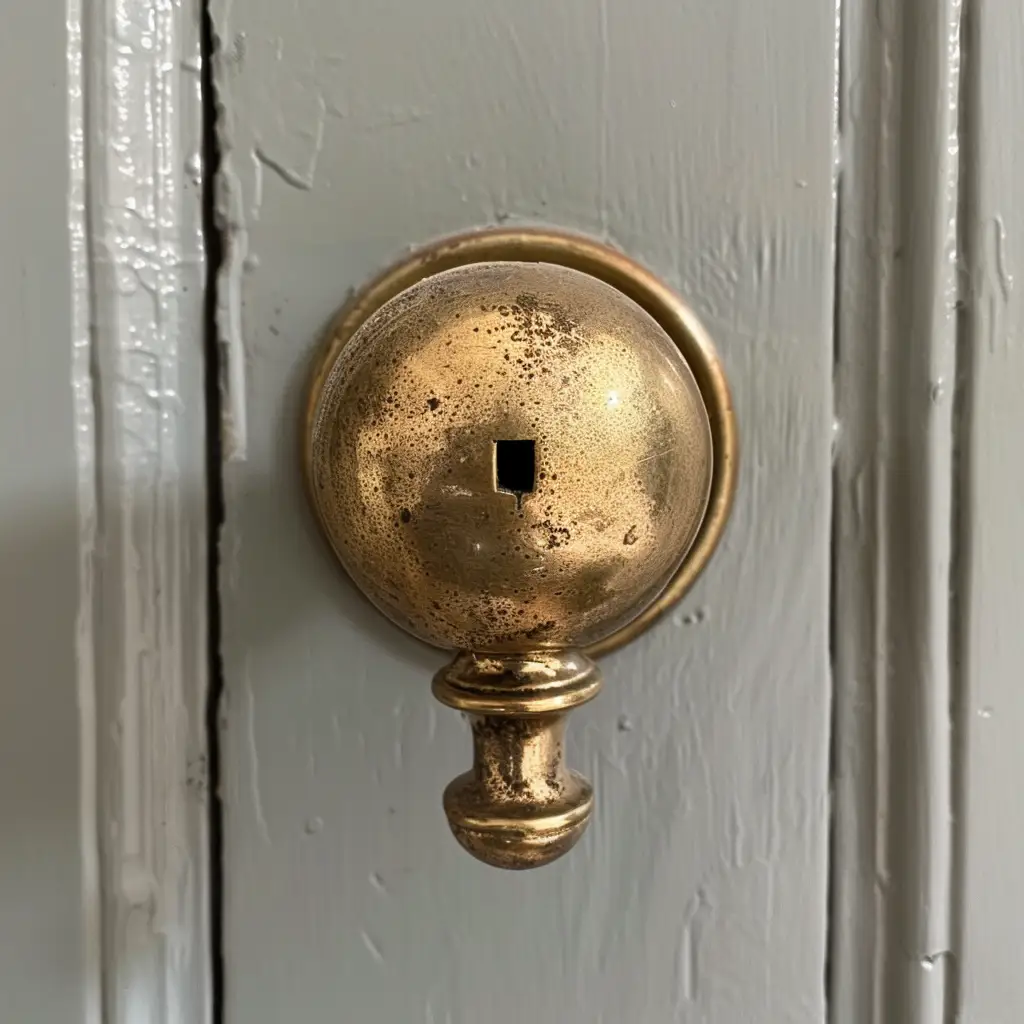
A Doorknob is a circular handle used for door opening and closing. One of the most prevalent styles of door handles in residences and structures is this one. Usually, they feature a spindle that is attached to a latch system within the door. Turning the knob causes the spindle to rotate, retracting the lock and opening the door.
What are Doorknobs Made of?
Doorknobs can be crafted from a surprising variety of materials, each with its advantages:
- Metals and Alloys: These are the most popular choices due to their durability and lifespan. Common options include:
- Brass: A traditional material valued for its durability, eye-catching appearance, and inherent antibacterial qualities [brass doorknobs].
- Stainless Steel: Stainless steel is a common material for modern designs since it looks clean requires little upkeep and has exceptional endurance.
- Aluminum: Anodized for a variety of finishes, aluminum knobs are lightweight and rust-resistant.
- Other Materials: While less common, you might also find doorknobs made from:
- Wood: Has a natural appearance and goes well with some design themes.
- Glass or Crystal: Offers a distinctive and refined appearance, but could be more brittle.
- Plastic: Less expensive than other materials, but usually not as robust or aesthetically pleasing.
How Doorknobs Are Made?
Doorknobs are manufactured using various materials and techniques.
- Metal Doorknobs: These are frequently composed of aluminum, steel, or brass. Depending on the intended design and usefulness, casting, forging, or machining may be used in the manufacturing process.
- Plastic Doorknobs: These are available in a variety of colors and styles and are usually more reasonably priced. Most plastic knobs are made by injection molding, which involves pushing molten plastic into a mold to form it into the appropriate shape.
- Combination Doorknobs: These knobs may have a metal base with embellishments made of ceramic or plastic. The process of manufacturing entails putting together parts made of various materials.
When Were Doorknobs Invented?
It's unclear exactly when the current doorknob was invented. Nonetheless, historical data indicates that doorknobs with locking mechanisms first appeared between the Han Dynasty (206 BCE–220 CE) and the Roman Empire.
How Do Doorknobs Work?
The seemingly simple act of turning a doorknob involves a clever interplay of mechanical components:
- Spindle: This metal rod connects the doorknob to the latch mechanism on the opposite side of the door by passing through its center.
- Latch: When the door is closed, this spring-loaded device keeps it secure. The door can open when the latch is retracted by turning the knob.
- Rose or Escutcheon: This ornamental plate gives the knob a polished appearance by covering its base.
- Screws: These hold the door's knob assembly in place.
How to Fix a Broken Doorknob?
Before embarking on removal, consider if repair might be a viable option. Here's a breakdown of common doorknob issues and potential solutions:
- Loose Doorknob: A loose doorknob is usually the result of loose screws holding the knob assembly to the door. Usually, the problem is fixed by tightening these screws.
- Stiff Doorknob: As a result of lubrication breakdown or accumulated grime, doorknobs may become stiff with time. Smooth operation can frequently be restored by cleaning the mechanism and using a small amount of lubrication.
- Broken Doorknob: A replacement is required if the internal mechanism is irreparably damaged, the knob itself is cracked or broken, or both.
How to Remove a Doorknob?
Tools You'll Need:
- Screwdriver (Phillips head or flat head depending on your doorknob)
- Optional: Pliers (for stubborn screws)
Steps:
- Assemble Your Tools and Find the Screws: Make sure you have the required tools on hand before you begin. Find the screws securing the doorknob assembly. Usually seen on the rose or escutcheon around the knob's base.
- Remove the Knob: Gently remove each screw keeping the knob in place with your screwdriver. If the screws are extremely tight, you can provide more grip by using pliers, but take care not to harm the screw head.
- Separate the Knob: Pull the knob gently away from the door to separate it after all the screws have been removed. The spindle that attaches the knob to the latch mechanism may be still there.
- Remove the Latch Assembly: You must remove the latch from the opposite side of the door if you're changing the latch mechanism in addition to the knob. This procedure may require extra screws or a latch design-specific mechanism. For detailed information on how to remove and install the latch on your new doorknob, go to the installation instructions.
Additional Tips:
- Take Photos: Before you begin, snap images of the doorknob assembly from different perspectives. When reinstalling, this can be a useful reference, particularly if the design of your new doorknob is different.
- Label Screws: To guarantee that the screws are reinstalled in the proper locations, label any screws that differ in length or location using tape.
- Work on a Level Surface: While the door is lying flat on a workbench or other stable surface, try to remove the doorknob. Better access is made possible by this and lost or falling components are avoided.
- Lost or Stripped Screws: If a screw is lost or stripped, don't freak out. Alternatively, you can gently drill out the screw head and replace it with a new one that is the same size, or you can try using a screw extractor tool.
Video related to Removing a Door Knob
Can Doorknobs be Recycled?
Doorknobs can be recycled or not depending on the materials used. Generally, metal recycling bins are suitable for recycling metal knobs. Disposal procedures may need to be different for knobs with plastic coatings or parts. For detailed details, see the recycling regulations in your area.
Conclusion
You've made a big step toward being a do-it-yourself expert by learning about doorknob mechanics, frequent problems, and the removal procedure. Recall that doing projects around the house can empower you and help you save money. Thus, don't give up the next time a doorknob acts out of control! Arm yourself with the knowledge found in this guide, assemble your equipment, and let your inner pro loose!

Related Articles
- ·Memory Chip Complete Guide: Definition, Manufacturers, Shortage, Manufacturing Process and Working Principles
- ·Fiber Optic Switch Guide: Definition, Connection Methods, Cabling, Disconnection and FAQ
- ·Optical Fiber Transmitter and Receiver Guide
- ·ICD Driver, LCD Driver & LCD Panel Driver Board Guide
- ·Touch Screen Overlay Guide for Commercial & Industrial Applications
- ·Cold Cathode Fluorescent Lamp Guide
- ·Complete Buying Guide for LED Video Walls & Commercial LED Displays
- ·The Complete Guide to Diode Lasers
- ·LED Emitter Guide: Definition, Brightness, Beam Angle, Soldering, Flashlight Upgrade, IR Usage and Grounding
- ·Inrush Current Limiter: Working Principle, Calculation, Selection Guide, and Motor / Capacitor Applications







.png?x-oss-process=image/format,webp/resize,h_32)


