German
 Japanese
 Portuguese
 Korea
 Mexico
 Dutch


VRLA Batteries: The Powerhouse Behind Uninterruptible Power Supplies

What is VRLA Battery?
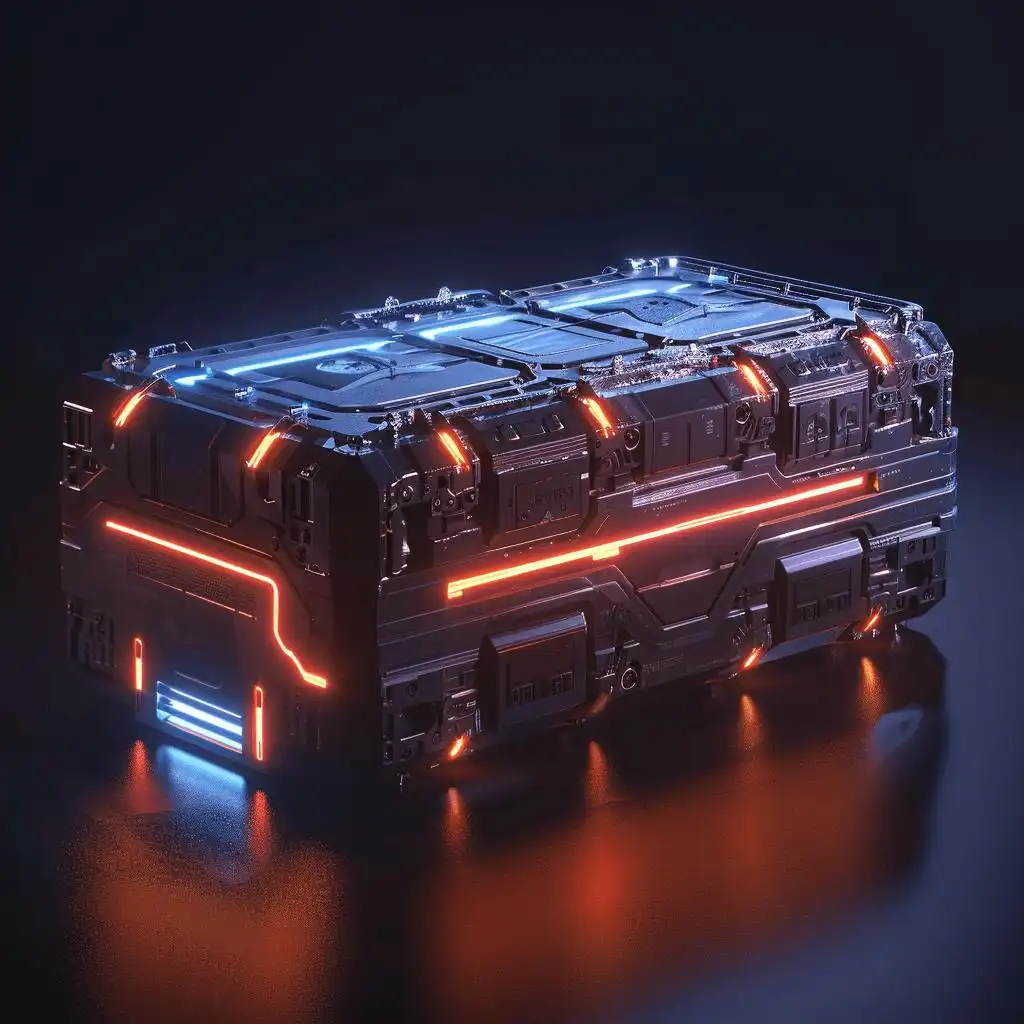
A VRLA Battery, or Valve Regulated Lead Acid battery, is a type of rechargeable battery commonly used in UPS systems, automotive applications, and renewable energy systems. A "valve-regulated" battery has a safety valve that lets gases out in case of overpressure, keeping the battery's internal pressure stable and preventing it from bursting. Compared to conventional lead-acid batteries, VRLA batteries are nearly maintenance-free because of their architecture.
Specifications of VRLA Battery
Voltage: Typically 12V
Capacity: Varies, commonly from 1.2Ah to several hundred Ah
Design Life: 5 to 10 years or more, depending on usage and maintenance
Operating Temperature Range: -20°C to +50°C
Sealed Construction: Ensures leak-proof operation in any orientation
Types of VRLA Batteries
Gel and AGM (Absorbent Glass Mat) batteries are the two primary varieties of VRLA batteries.
AGM Batteries: The electrolytes in these batteries are held in place by a glass mat separator, which promotes effective oxygen recombination and stops leaks. Their lengthy service life, high discharge rates, and minimal internal resistance are well known.
Gel Batteries: These batteries include a silica gel inside of them that immobilizes the electrolyte, allowing for deeper discharges and better toughness under adverse circumstances. Compared to AGM batteries, they can function in a wider temperature range and are less prone to thermal runaway.
Video related to VRLA Battery
Is a VRLA Battery the Same as AGM?
A common question is whether a VRLA battery is the same as an AGM battery. The response is that not all VRLA batteries are AGM, even though all AGM batteries are VRLA batteries. AGM and Gel batteries are both included in the larger VRLA category. As a variant of VRLA batteries, AGM batteries store the electrolyte on absorbent glass mats.
How VRLA Battery Works?
Lead dioxide (PbO2) and sponge lead (Pb) function as the positive and negative electrodes, respectively, and sulfuric acid (H2SO4) is the electrolyte in a VRLA battery. This battery type operates based on lead-acid chemistry. An electric current is produced during discharge by a chemical reaction that turns the active components into lead sulfate (PbSO4).
VRLA batteries are special because of their recombination process, which reduces water loss. Regular water addition is avoided because oxygen produced at the positive plate during charging combines with hydrogen at the negative plate to make water.
How to Test VRLA Battery?
To guarantee a VRLA battery's longevity and performance, testing is essential. The steps to test a VRLA battery are as follows:
Visual Inspection: Look for any leaks, puffiness, or physical damage.
Voltage Test: Check the voltage across the battery terminals with a multimeter. Around 12.7V to 13.0V should be displayed by a fully charged 12V VRLA battery.
Load Test: Apply a specified load with a battery load tester and record the voltage drop. When under load, a healthy battery should keep its voltage steady.
Specific Gravity Test: Using a hydrometer, find the electrolyte's specific gravity if the battery has detachable caps. This test aids in determining the battery's general health and state of charge.
Frequent testing guarantees that the battery stays in ideal condition and aids in the early detection of possible problems.
Advantages of VRLA Batteries
Maintenance-Free: The absence of water addition is due to sealed construction.
Safe Operation: Integral safety valves lower the possibility of leaks and stop overpressure.
Versatile Applications: Appropriate for a variety of uses, including renewable energy storage, automobiles, and UPS systems.
Reliable Performance: Extended service life and steady power delivery.
Disadvantages of VRLA Batteries
Weight: In comparison to certain other battery technologies, VRLA batteries are heavier.
Cost: Compared to flooded lead-acid batteries, they may be more expensive.
Sensitivity to Overcharging: Inadequate charging may result in damage and a shorter lifespan.
Can VRLA Battery Be Charged?
Yes, VRLA batteries can be charged. To keep them functioning properly and increase their longevity, proper charging is necessary. To prevent overcharging or undercharging, which might harm the battery, it is crucial to utilize the proper charging technique.
How to Charge VRLA Battery?
A charger that complies with the battery's standards is necessary while charging a VRLA battery. To ensure efficient charging, adhere to the following steps:
Choose the Right Charger: Make use of a charger made especially for VRLA batteries; a multi-stage charging profile is ideal.
Set the Charging Voltage: Depending on the battery type and temperature, a 12V VRLA battery should ideally be charged between 13.8V and 14.4V.
Connect the Charger: It is important to check the polarity while attaching the charger to the battery terminals.
Monitor the Charging Process: Keep an eye on the voltage and current while the battery charges. The charging parameters of multi-stage chargers are automatically adjusted to avoid overcharging.
Final Voltage Check: Following charging, the battery ought to settle between 12.7 and 13.0 volts.
How to Repair VRLA Battery?
While repairing a VRLA battery can be difficult, certain procedures can occasionally be used to treat minor problems like sulfation. The following procedures can be used to try fixing a VRLA battery:
Desulfation: To dissolve lead sulfate crystals that accumulate on the battery plates, use a desulfator or a high-frequency pulse charger.
Equalization Charge: To ensure that the voltage is the same in every cell, apply an equalization charge. During this procedure, the battery is charged for a predetermined amount of time at a greater voltage.
Reconditioning: A reconditioning mode that cycles through deep discharge and recharge cycles is something that certain battery reconditioners offer. This mode can assist restore battery capacity.
It's crucial to remember that not every VRLA battery can be fixed; in certain circumstances, replacing the battery can be your only practical choice.
Conclusion
Particularly in uninterruptible power supplies, VRLA batteries are the foundation of dependable power backup systems. They are a great option for a variety of applications due to their low maintenance requirements, safety features, and adaptability. To get the most out of VRLA batteries and extend their longevity, you should be aware of how they operate, how to test, charge, and maintain them, and how to solve frequent problems.
FAQs
What is a VRLA Battery?
Commonly seen in UPS systems and automotive applications, a VRLA (Valve Regulated Lead Acid) battery is a sealed rechargeable battery type with low maintenance requirements.
Is a VRLA Battery the Same as AGM?
One variety of VRLA batteries is AGM (Absorbent Glass Mat). Not all VRLA batteries are AGM, as some are Gel type, even if all AGM batteries are VRLA.
How Does a VRLA Battery Work?
VRLA batteries use lead-acid chemistry with recombination technology to minimize water loss and maintenance. Oxygen and hydrogen generated during charging are recombined to form water.
How to Test a VRLA Battery?
Examine a VRLA battery visually, use a multimeter to measure voltage, use a battery load tester to test its load, and, if necessary, use a hydrometer to measure its specific gravity.

Related Articles
- ·MediaTek MT6366 vs. MT6373: Features, Architecture, Applications, and Design Considerations
- ·Qualcomm PM8550 vs. PM8550B vs. PM8550VS: Features, Differences, Applications, and Selection Guide
- ·Qualcomm PM8350 vs. PM8350C: Architecture, Features, Applications, and Selection Guide
- ·Qualcomm PM8150 vs. PM8150B vs. PM8150L: Functions, Architecture, Applications, and Selection Guide
- ·SGM41541 vs. SGM6605: Battery Charger and Synchronous Boost Converter Comparison
- ·ADI LTM4630A vs. LT8645S: Power Module and Silent Switcher Regulator Comparison
- ·Richtek RT8206A vs. RT9013: Architecture, Specifications, Applications, and Design Considerations
- ·MPS MP2657, MPQ6610GJ-AEC1-Z, and MP2856: Identification, Functions, and Application Comparison
- ·TPS6594-Q1 vs. TPS65219-Q1 vs. TPS653860-Q1 vs. LP87745-Q1: TI Automotive PMIC Comparison
- ·Electronic Components Monthly Market Report