
 German
 Japanese
 Portuguese
 Korea
Korea
 Mexico
 Dutch
Dutch


What You Need to Know to Convert AC Voltage to DC Voltage Effectively

In our tech-driven world, most devices we rely on—from smartphones to laptops—run on direct current (DC) power. Yet the electricity flowing through our walls is alternating current (AC). This mismatch makes AC-to-DC conversion a fundamental process in electronics. Let's break down how it works, why it matters, and how to do it right.

Understanding AC and DC Voltage
Definition of AC Voltage
Alternating Current (AC) is electricity that periodically reverses direction. Imagine a sine wave: it peaks positive, dips negative, and repeats—typically 50 or 60 times per second (Hertz, Hz), depending on your region. AC is generated by power plants because it travels efficiently over long distances with minimal energy loss, making it ideal for grid distribution.
Definition of DC Voltage
Direct Current (DC) flows steadily in one direction, like a river current. Batteries, solar panels, and most electronic circuits use DC because it provides a consistent, reliable power supply. Unlike AC's wave-like pattern, DC maintains a constant voltage (e.g., 5V for USB devices, 12V for car batteries).
The Importance of AC to DC Conversion
Applications of DC Voltage
Nearly every portable device and sensitive electronics depend on DC:
Benefits of AC to DC Power Conversion
- Device Compatibility: Without conversion, plugging a DC device directly into AC would fry its circuits.
- Energy Efficiency: Modern converters minimize power loss, extending battery life and reducing electricity bills.
- Safety: Low-voltage DC is safer for handheld devices and household use compared to high-voltage AC from outlets.

How to Convert AC Voltage to DC Voltage
Techniques for Converting AC to DC
The conversion process has three core steps: rectification, filtering, and regulation.
Rectification: Turning AC into Pulsating DC
AC's alternating current must first be "rectified" to flow in one direction. This is done using diodes—semiconductor devices that act as one-way valves for electricity.
- Half-Wave Rectification: Uses a single diode to block negative AC cycles, resulting in choppy, half-sine output. Simple but inefficient (loses ~50% of power).
- Full-Wave Rectification: Uses four diodes (a "bridge rectifier") to flip negative cycles into positive, producing a smoother, full-sine output. Most common in adapters and power supplies.
Filtering and Smoothing Techniques
Rectified DC still has "ripples"—small voltage fluctuations from the original AC wave. Filters smooth these out:
- Capacitor Filters: Store energy during AC peaks and release it during troughs, reducing ripple. Inexpensive and widely used in low-power devices.
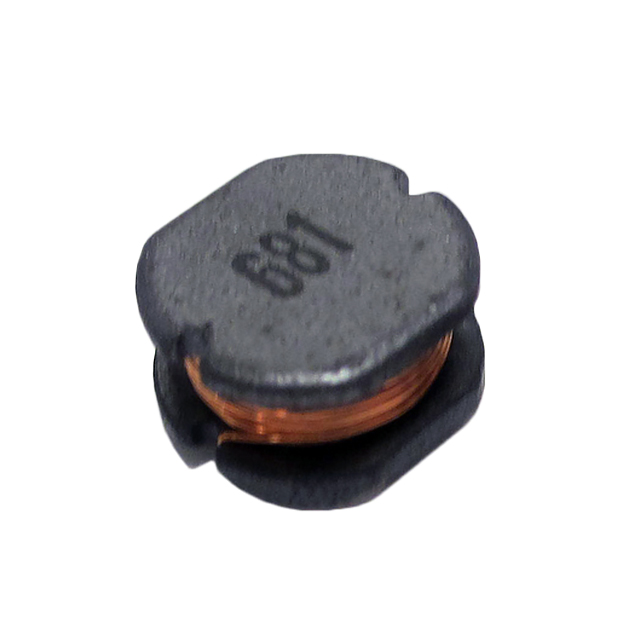
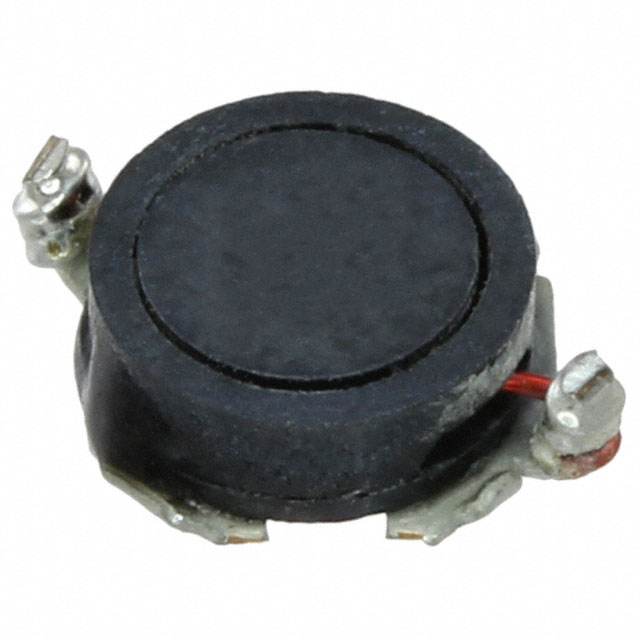
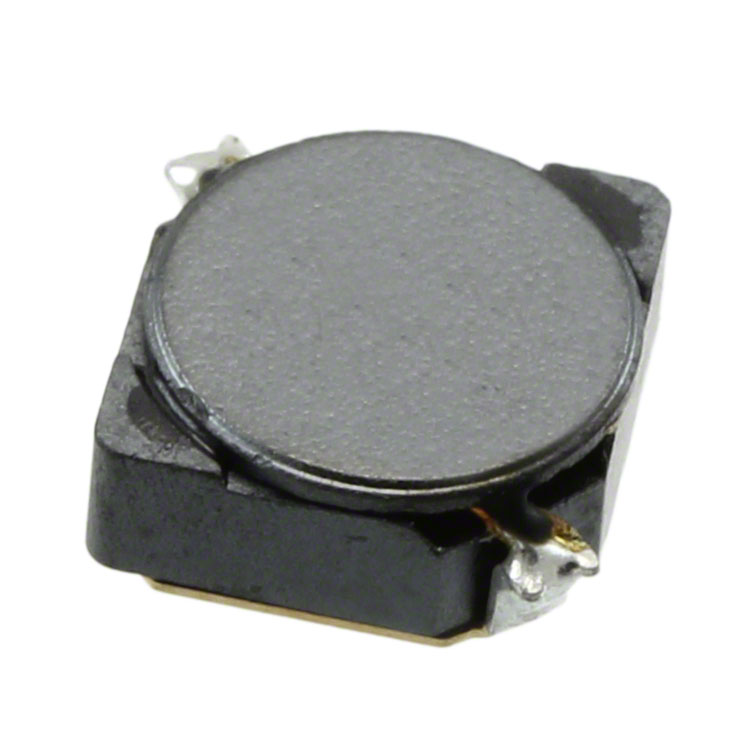
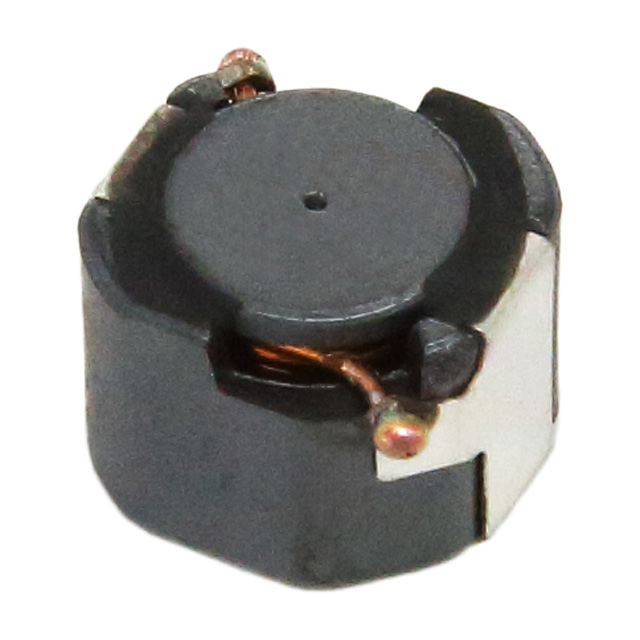
- Inductor Filters: Use coils to resist current changes, ideal for high-power applications like motors. Often paired with capacitors for better smoothing.
Regulation: Stabilizing the Output
Even filtered DC can vary with input voltage or load changes. Regulators ensure a constant output voltage:
- Linear Regulators: Simple, low-noise, but inefficient (waste energy as heat). Best for low-power devices (e.g., 5V USB chargers).
- Switching Regulators: More complex but highly efficient (up to 95%). Use high-frequency switching to adjust voltage, ideal for laptops, EVs, and industrial gear.
| Rectifier Type | Advantages | Disadvantages |
|---|---|---|
| Half-Wave | Simple, cost-effective | High ripple, low efficiency (loses ~50% power) |
| Full-Wave | Reduced ripple, higher efficiency | More complex design with four diodes |
Choosing the Right AC to DC Converter
Types of AC to DC Converters
Linear Power Supplies: Combine transformers, rectifiers, filters, and linear regulators. Reliable but bulky and inefficient. Good for low-power, noise-sensitive devices (e.g., audio equipment).
Switching Power Supplies (SMPS): Smaller, lighter, and more efficient. Use high-frequency switching to eliminate heavy transformers. Common in laptops, phone chargers, and LED lights.
USB Adapters: Compact SMPS variants designed for 5V/12V DC output, ubiquitous in consumer tech.
Factors to Consider
- Power Requirements: Match the converter's wattage (W) to your device (e.g., a 60W laptop needs a 60W+ adapter).
- Efficiency: Switching converters save energy; linear regulators are better for low-noise needs.
- Size and Weight: SMPS is ideal for portability; linear supplies are bulkier but simpler.
- Voltage Stability: Critical for sensitive electronics (e.g., microcontrollers). Look for low "ripple voltage" specs.

Troubleshooting Common Issues
Problems in AC to DC Conversion
Unstable Output Voltage: Caused by faulty regulators, loose connections, or overloaded circuits.
Excessive Ripple: Damaged capacitors or inadequate filtering can lead to device malfunctions (e.g., screen flicker in monitors).
Overheating: Poor ventilation, inefficient regulators, or mismatched power loads may cause overheating—risking fire or component failure.
Solutions and Tips
Check Connections: Ensure all wires are secure and soldered properly (loose joints cause resistance and heat).
Replace Aging Components: Capacitors degrade over time; swap old ones to fix ripple issues.
Use Heat Sinks: For high-power converters, attach heat sinks to regulators to prevent overheating.
Test with a Multimeter: Measure output voltage and ripple to diagnose issues (aim for <100mV ripple for sensitive devices).
Final Thoughts
AC-to-DC conversion is the unsung hero of modern electronics, bridging the gap between the grid and our devices. By understanding rectification, filtering, and regulation, you can select the right converter, troubleshoot problems, and ensure efficient, safe power delivery. Whether you're building a DIY project or simply choosing a phone charger, these basics will help you convert with confidence.
Stay powered up, and happy converting!
Related recommendations:
DC-DC Converter: Tiny Power Ninja You Didn’t Know You Needed⚡
 FAQ
FAQ






.png?x-oss-process=image/format,webp/resize,h_32)


