
 German
 Japanese
 Portuguese
 Korea
Korea
 Mexico
 Dutch
Dutch

Components of Electronic Devices: Types, Functions, and PCB Integration

Modern electronic devices—from smartphones and calculators to industrial machines—are built from a variety of core components. These elements manage power, process signals, and enable communication between systems. Understanding these components is essential for anyone learning electronics, working in engineering, or simply curious about how devices work.
Electronic components generally fall into two broad categories: passive and active. Passive components, such as resistors and capacitors, influence electrical signals without generating energy, while active components like transistors and integrated circuits control signal flow, amplify signals, or perform computation.
This guide explores the key types of components found in electronic devices, explains their functions, and shows how they’re typically arranged on a printed circuit board (PCB). If you’re looking to identify components on a board, test them, or understand their role in a circuit, this article will serve as a practical starting point.
1. Passive Components
Passive components are essential building blocks of electronic circuits. Unlike active components, they do not require external power to operate and cannot amplify signals. Instead, they influence voltage, current, and signal characteristics through resistance, capacitance, or inductance. These components are foundational in everything from basic hobby circuits to complex embedded systems.
Resistors
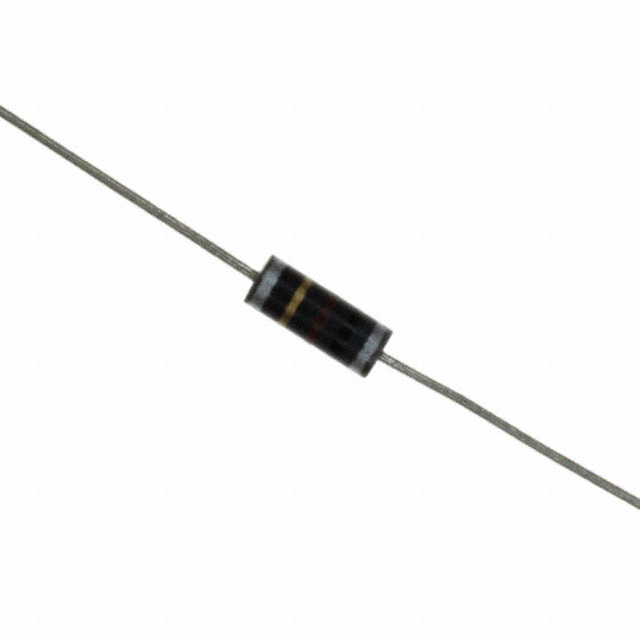
Resistors are components that oppose the flow of electric current. They are used to divide voltage, limit current, and protect sensitive components. Resistance is measured in ohms (Ω), and values are often indicated by color bands on the resistor body.

Capacitors
Capacitors store and release electrical energy in the form of an electric field. They are commonly used for filtering noise, stabilizing power supplies, and creating timing elements in circuits. Capacitors are characterized by their capacitance (measured in farads) and voltage rating.

Inductors
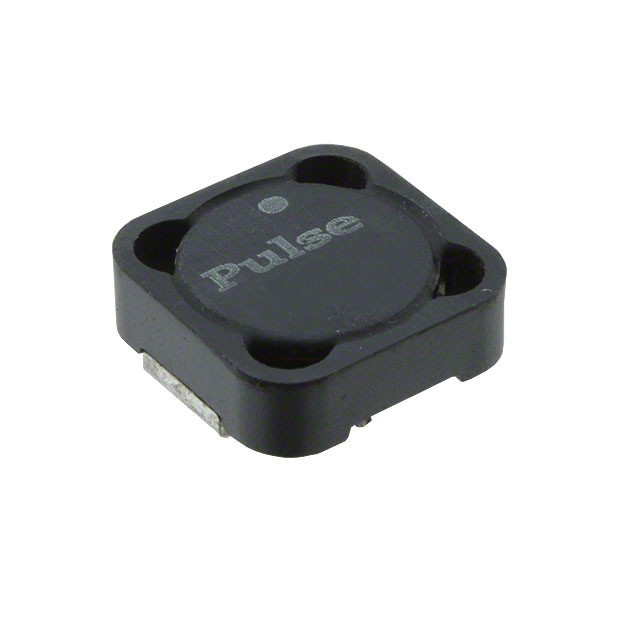
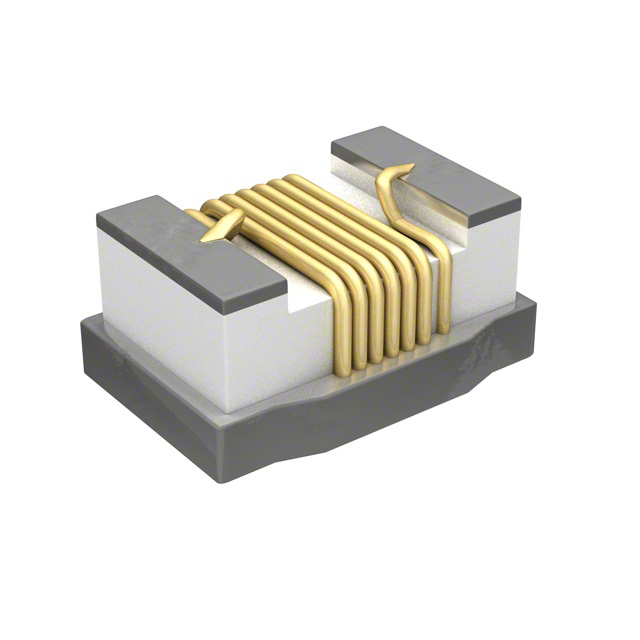
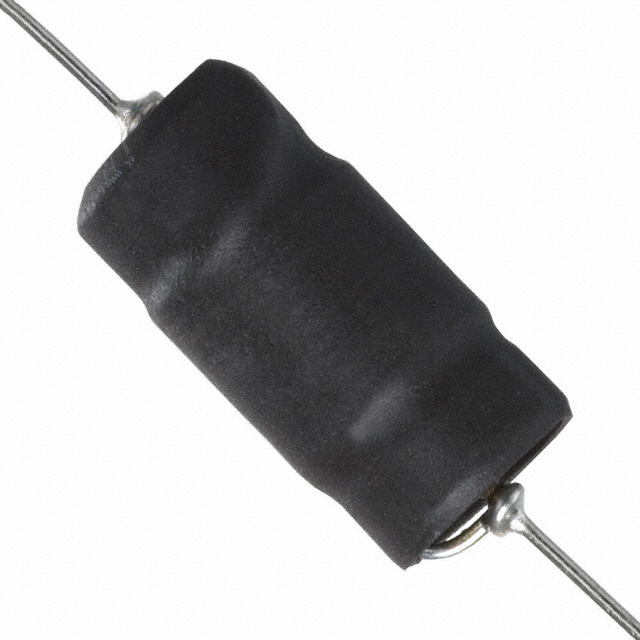
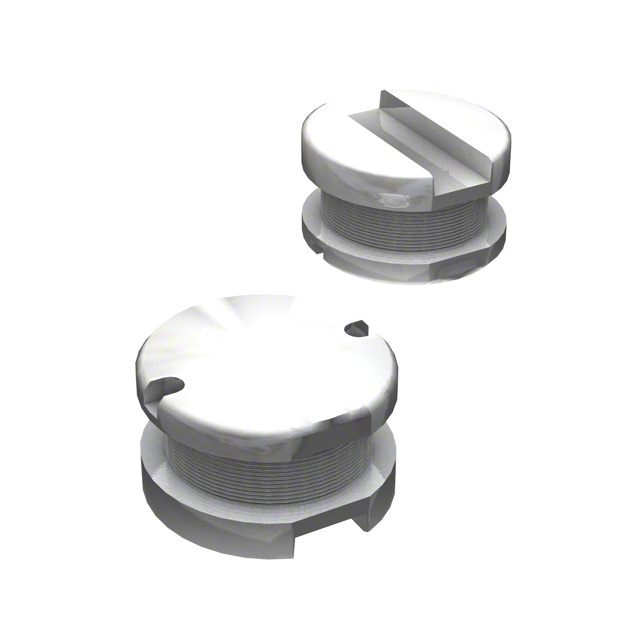
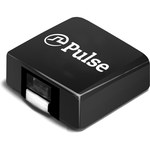
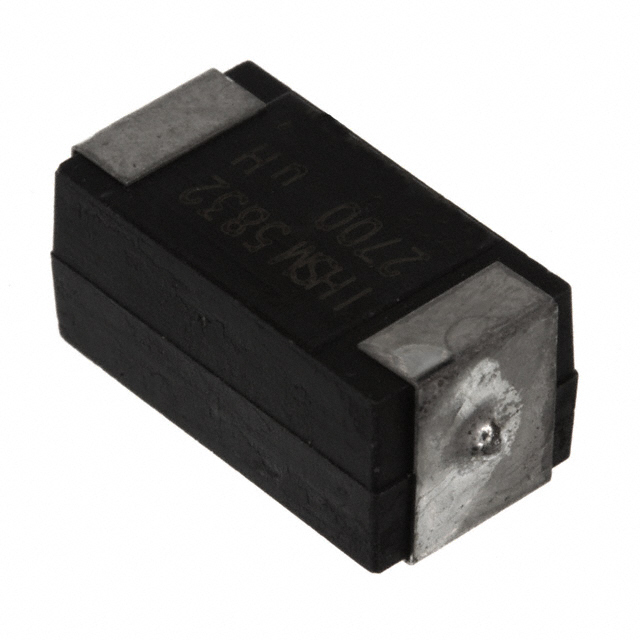
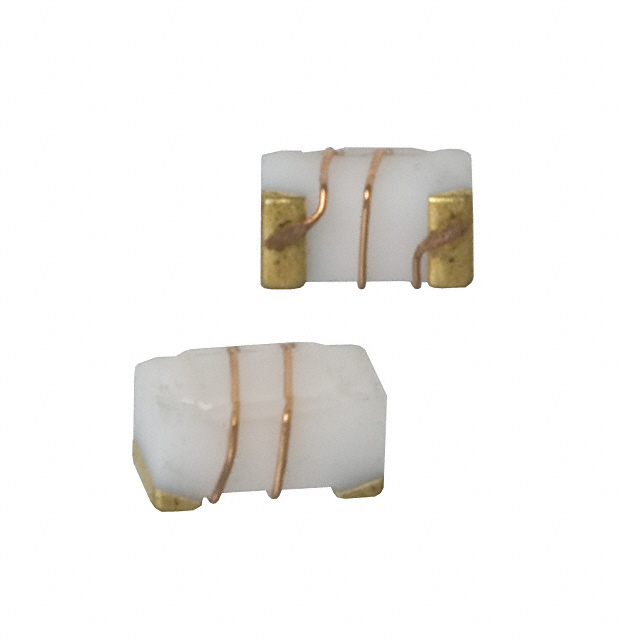
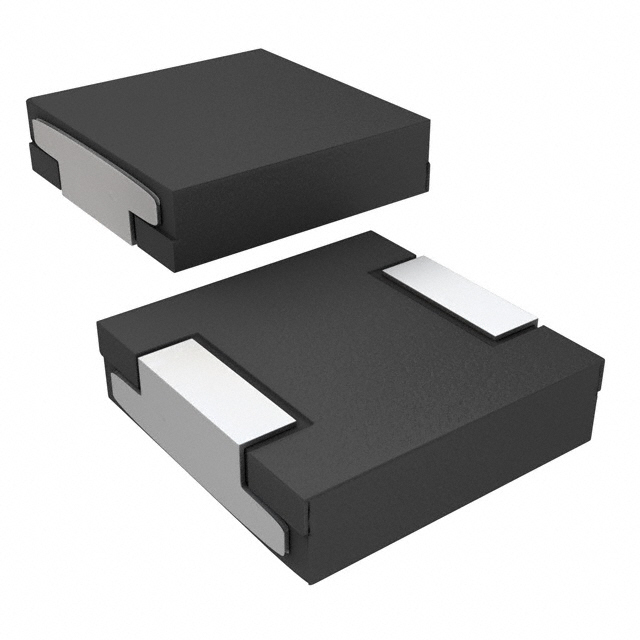
Inductors are coils of wire that store energy in a magnetic field when current flows through them. They are commonly found in power supplies, filters, and radio-frequency circuits, and are used to block high-frequency signals while allowing lower frequencies to pass.

Diodes
While technically semiconductors, basic diodes are often treated as passive in linear circuit analysis. They allow current to flow in one direction only and are used for rectification, protection, and signal modulation.

Fuses
Fuses are safety components designed to break the circuit if excessive current flows through. They prevent damage to circuits by melting their internal element, thereby cutting off the power path when needed.

Transformers
Transformers consist of two or more coils wound on a core and are used to increase or decrease AC voltage levels. Though technically energy-transferring devices, they are often discussed alongside passive components in power supply design.

Thermistors
Thermistors are temperature-sensitive resistors whose resistance changes significantly with temperature. There are two main types: NTC (Negative Temperature Coefficient), which decreases resistance as temperature rises, and PTC (Positive Temperature Coefficient), which increases resistance. They are used in temperature sensing, compensation circuits, and inrush current limiting.

Varistors
Varistors are voltage-dependent resistors that protect circuits against voltage spikes and transients. Their resistance drops rapidly when voltage exceeds a certain threshold, allowing them to absorb excess energy. They’re commonly found in surge protection circuits and power supply input stages.

Crystal Oscillators
Crystal oscillators are components that generate precise frequency signals using the mechanical resonance of a quartz crystal. While technically active internally, they are treated as passive when viewed from the circuit design perspective. They're essential in digital timing, microcontroller clocks, and RF circuits.

Potentiometers
Potentiometers are adjustable resistors that allow variable resistance in a circuit, commonly used for volume control, brightness adjustment, or user input settings. Turning the knob varies the resistance between terminals, effectively tuning signal strength or voltage.

Ferrite Beads
Ferrite beads are used to suppress high-frequency noise in power and signal lines. They act like resistors at high frequencies while allowing DC and low-frequency signals to pass through. They are essential for electromagnetic interference (EMI) reduction in compact electronic devices.

RC and RLC Filter Networks
RC (Resistor–Capacitor) and RLC (Resistor–Inductor–Capacitor) filter networks are used to attenuate unwanted frequencies in analog and power circuits. These integrated or discrete arrangements form low-pass, high-pass, band-pass, or band-stop filters. They're commonly found in audio equipment, signal conditioning systems, and power supplies.

Capacitor Arrays
Capacitor arrays are compact surface-mount packages containing multiple identical capacitors. These components help reduce layout space and enhance signal decoupling in high-speed digital designs. They're widely used in mobile devices, computer motherboards, and RF circuits.

Light-Dependent Resistors (LDRs)
LDRs, also known as photoresistors, change their resistance based on light intensity. They're used in light-sensing applications such as automatic lighting systems, alarms, and exposure meters. Their resistance decreases as ambient light increases.

Piezoelectric Elements
Piezo elements generate mechanical movement or sound in response to voltage, and vice versa. Though not always classified as purely passive, they are widely used as buzzers, sound indicators, or vibration sensors without requiring active signal control. They're found in watches, alarms, and small embedded systems.

Baluns
Baluns are passive transformers that convert between balanced and unbalanced signals, commonly used in RF and antenna systems. They help reduce signal distortion, minimize reflections, and match impedance across circuit segments.

Together, passive components shape the behavior of electrical signals in a circuit without introducing gain. In the next section, we’ll explore active components that control, amplify, and compute signals—providing the “intelligence” behind electronic systems.
2. Active Components
Active components are electronic parts that require an external power source to operate and are capable of controlling current flow. Unlike passive components, they can amplify signals, switch current, and execute logic functions. These components are the “intelligent” part of a circuit and play central roles in computing, signal processing, and power regulation.
Diodes
Diodes are semiconductor devices that allow current to flow in only one direction. They are used for rectification (AC to DC conversion), voltage clamping, signal modulation, and reverse-polarity protection. Specialized types include Zener diodes (for voltage regulation) and Schottky diodes (for fast switching).

Transistors
Transistors are key active components used for amplification and switching. They come in various types, including Bipolar Junction Transistors (BJTs) and Metal-Oxide-Semiconductor Field-Effect Transistors (MOSFETs). Transistors are used in nearly every modern electronic system—from analog audio amplifiers to digital processors.

Integrated Circuits (ICs)
ICs are miniaturized circuits etched into semiconductor substrates that integrate multiple transistors, resistors, capacitors, and other elements into a single package. They perform logic, processing, and signal handling functions. ICs are the foundation of digital electronics, from memory chips to CPUs.

Microcontrollers (MCUs)
Microcontrollers are compact ICs that combine a processor, memory, and input/output interfaces on a single chip. They are used in embedded systems for control tasks in devices like washing machines, thermostats, and remote controls. MCUs enable automation and intelligent behavior in electronic systems.

Operational Amplifiers (Op-Amps)
Op-amps are versatile analog ICs that amplify voltage differences between their input terminals. They're used in filters, comparators, signal conditioning, and control systems. With proper configuration, they perform mathematical operations such as addition, subtraction, and integration.

Triacs and SCRs
Triacs (triode for alternating current) and SCRs (silicon-controlled rectifiers) are power switching components used in AC load control. They’re commonly found in light dimmers, motor speed controllers, and power regulation systems, especially where high voltage or current needs to be switched with precision.

Active components are essential for processing, control, and intelligent operation in electronic systems. In the next section, we’ll look at electromechanical and display-related components that bridge the gap between electrical signals and physical-world interaction.
3. Electromechanical & Display Components
Electromechanical components convert electrical signals into mechanical actions or provide physical interfaces for users and systems. Display components, on the other hand, transform electrical signals into human-readable output. These components serve as the bridge between the digital world and physical interaction in electronic devices.
Switches
Switches are user-operated components that open or close electrical circuits. They come in many forms—toggle, push-button, rotary—and are used for manual control of power and signal flow. Switches are fundamental in both low-voltage circuits and control panels.

Relays
Relays are electrically controlled switches that use an electromagnet to mechanically operate a contact. They allow low-power circuits to control high-power devices safely. Common applications include automotive systems, industrial automation, and home appliances.

Connectors
Connectors provide physical and electrical interfaces between circuit boards, modules, or external devices. They range from USB and HDMI to board-to-board and edge connectors. High-quality connectors ensure signal integrity and durability in both consumer and industrial applications.

LEDs
LEDs are optoelectronic components that emit light when a current passes through them. They are used for visual indicators, status signals, and illumination in everything from power-on lights to full-display panels. LEDs are efficient, long-lasting, and available in multiple colors and intensities.

Displays
Display modules visually present information to users. These include LCD (liquid crystal display), OLED (organic LED), and 7-segment displays. They are found in everything from digital clocks and calculators to TVs and smartphones, converting data into readable output.

Buzzers
Buzzers convert electrical signals into sound for alerts or feedback. They can be piezoelectric or electromagnetic, and are commonly used in timers, alarms, user interfaces, and notifications in embedded systems.

Vibration Motors
Vibration motors are compact electromechanical devices that convert electrical signals into mechanical vibration. Commonly found in smartphones, gaming controllers, and wearables, they provide haptic feedback for alerts or user interaction. These motors typically operate using eccentric rotating mass (ERM) or linear resonant actuator (LRA) principles.

Electromechanical and display components enable real-world interaction, signaling, and physical control. Next, we’ll look at power and signal support components—devices that stabilize, distribute, and synchronize the energy within circuits.
4. Power and Signal Support Components
In any electronic system, stable power delivery and clean signal integrity are essential. This category includes components responsible for voltage regulation, power switching, circuit protection, and signal conditioning. Without these supporting elements, even the most advanced ICs or sensors would malfunction under inconsistent input or electrical noise.
Voltage Regulators
Voltage regulators maintain a stable output voltage regardless of changes in input voltage or load. They come in two main types: linear regulators (e.g., 7805) and switching regulators (e.g., buck or boost converters). They're vital for powering microcontrollers, sensors, and communication chips.

Power Management ICs (PMICs)
PMICs integrate multiple power functions such as voltage regulation, battery charging, load switching, and fault monitoring. Common in smartphones and IoT devices, they reduce board size and improve efficiency in complex systems.

Fuses and Resettable PTCs
Fuses protect circuits by disconnecting power when current exceeds a safe level. Resettable PTC thermistors (PolySwitch) automatically reset after the fault clears. These components help prevent overheating, fire hazards, and permanent damage.

TVS Diodes and ESD Protection
Transient Voltage Suppression (TVS) diodes absorb high-voltage spikes caused by ESD, lightning, or inductive loads. They are placed across power and signal lines to protect sensitive ICs from sudden damage. They're essential in USB, CAN, HDMI, and RF circuits.

Signal Coupling Capacitors
These capacitors block DC while allowing AC signals to pass, used between amplifier stages or in audio paths. They're crucial in analog circuits to prevent biasing errors and isolate power levels between functional blocks.

Ferrite Beads and EMI Filters
Ferrite beads suppress high-frequency noise on power and signal lines, acting as low-pass filters. They're especially important in RF systems, switching power supplies, and high-speed digital circuits to maintain signal integrity and comply with EMC standards.

Common Mode Chokes
These components filter out common-mode noise (interference present on both signal lines) in differential signaling systems such as USB, CAN, or Ethernet. They improve immunity to EMI and help meet regulatory compliance.

Power and signal support components silently ensure your circuits run safely and reliably. Whether it’s filtering noise with ferrite beads or absorbing surges with TVS diodes, these parts are crucial for ensuring system longevity, performance, and electromagnetic compatibility.
5. Power Sources, Timing, and Light-Signal Interfaces
Beyond passive and active components, electronic systems also rely on power sources, frequency generation, and light-based input/output components to operate effectively. These modules either supply energy, manage precise timing, or serve as optical bridges between digital logic and the real world.
Batteries
Batteries provide a portable DC power source for mobile and embedded systems. Common types include coin cells (e.g., CR2032), lithium-ion packs, and rechargeable NiMH cells. Engineers select batteries based on voltage, capacity (mAh), and discharge characteristics suited to the application.

Power Supply Modules
Power supply units (PSUs) convert AC mains or other voltage levels into regulated DC output for circuit operation. These can be discrete modules (e.g., AC-DC adaptors, DC-DC converters) or onboard switching regulators. Voltage stability and noise performance are key selection criteria.

Oscillators and Clock Generators
Oscillators provide clock signals to synchronize digital operations. They can be crystal-based (e.g., 16MHz quartz crystal), ceramic resonators, or integrated clock ICs. These timing components are essential in microcontrollers, processors, and communication modules.

Optoelectronic Devices
Optoelectronic components interact with light. Photodiodes and phototransistors convert light into electrical signals, used in IR receivers, light sensors, and optical encoders. Conversely, IR LEDs and laser diodes emit light, enabling remote control, communication, or scanning systems.

These components expand the capabilities of modern electronics—powering circuits with batteries, synchronizing actions via oscillators, and enabling optical interactions with the environment. Together, they form the foundational support for embedded and smart systems.
6. Functions of Each Component Type
This table summarizes the key functions of common electronic components. Understanding their roles is essential when designing or analyzing circuits.
| Component | Function |
|---|---|
| Resistor | Limits electrical current and divides voltage |
| Capacitor | Stores and releases electrical energy |
| Inductor | Stores energy in a magnetic field; filters signals |
| Diode | Allows current flow in one direction only |
| Transistor | Amplifies or switches electronic signals |
| Integrated Circuit (IC) | Performs logic, computation, control, or analog processing |
| Relay | Electromechanical switch for high-power control |
| Connector | Joins sections of a circuit or connects external devices |
| Sensor | Detects environmental changes and outputs signals |
| Display (e.g., LED, LCD) | Provides visual feedback or information |
| Battery | Supplies portable power to the circuit |
| Transformer | Changes voltage levels between circuits |
| Crystal Oscillator | Provides a stable frequency reference |
| TVS / Fuse | Protects circuits from overvoltage or current surges |
7. Examples in Real Devices
Electronic Components in Computers, Calculators, and Other Devices
Understanding how various electronic components are used in real-world devices helps contextualize their importance and application. Below are typical examples of components found in everyday electronics:
Computer
- Motherboard: Hosts ICs, microprocessors, memory slots, connectors
- CPU: Central logic & processing unit (IC)
- Power Supply (PSU): Includes capacitors, transformers, diodes, protection devices
- Cooling System: Fan driven by driver IC or discrete transistors
- Connectors: USB, HDMI, SATA – interface components for communication
Calculator
- Microcontroller (MCU): Controls logic and performs calculations
- LCD Display: Shows output; includes driver IC
- Resistors & Capacitors: For timing, filtering, signal conditioning
- Button Matrix: Input system using switches and pull-up resistors
Television
- Display Driver ICs: Control pixels and refresh rates
- Tuner Module: Includes RF ICs and filters for signal selection
- Power Supply: High-voltage capacitors, transformers, rectifiers
- Audio Amplifier IC: Drives speakers with filtered analog output
- Remote Receiver Circuit: Includes photodiodes and logic ICs
Smartphone
- Application Processor (SoC): Combines CPU, GPU, modem, and logic ICs
- Sensors: Accelerometer, gyroscope, ambient light sensors (MEMS)
- Battery & PMIC: Lithium battery, power management ICs, protection fuses
- Display: AMOLED/LCD with controller ICs
- Camera Modules: CMOS image sensors and ISP
Router
- WiFi SoC: Combines CPU, radio, and memory controller
- Oscillators: Generate stable clock signals
- Antennas & RF Switches: Handle wireless signal paths
- Voltage Regulators: Ensure stable power for analog and digital sections
8. Where Are Components Mounted?
All the above components are usually mounted on a circuit board (PCB), which acts as the core infrastructure of any electronic device.
PCBs provide mechanical support and electrical connections between components using conductive tracks, pads, and vias. Components may be surface-mounted (SMD) or through-hole mounted, depending on the design requirements and manufacturing processes.
The PCB layout determines signal integrity, thermal performance, and EMI compliance, making it a critical factor in overall device reliability and functionality.
To understand how components are physically arranged and soldered in real designs, explore our Circuit Board Components Identification Guide.
Frequently Asked Questions
What are the 5 basic components of an electrical circuit?
The five fundamental components include resistors, capacitors, inductors, diodes, and transistors. These are essential for controlling current, storing energy, and signal processing.
What is the brain of an electronic device?
The brain of most electronic devices is the microcontroller or microprocessor, which controls all logical operations and coordinates the activity of other components.
How do I identify an electronic component?
You can identify components using their physical markings, datasheets, or online lookup tools. Labels such as color codes (resistors), part numbers (ICs), and pin counts are key clues.
What are the active vs passive components?
Active components (like transistors, ICs) require power to operate and can amplify signals, while passive components (resistors, capacitors, inductors) cannot amplify and don't require external power.
Which components are found in a computer?
Key computer components include ICs (CPUs, GPUs), memory chips (RAM), passive components for power regulation, connectors, and display drivers.
What’s the difference between IC and microcontroller?
An Integrated Circuit (IC) is a broad category that includes various chips, while a microcontroller is a specific type of IC that integrates a processor, memory, and peripherals.
What is the function of electronic components?
Each electronic component serves a specific function such as energy storage, amplification, signal control, switching, or logic processing, depending on its type and configuration.
What are the 7 major components of electrical wiring?
The 7 common components in electrical wiring include wires, switches, outlets, circuit breakers, fuses, connectors, and grounding devices. These are mainly related to power distribution systems.
What are the most important components of an electric circuit?
Important components include power sources (like batteries), conductors (wires), loads (like LEDs), control elements (switches), and protective devices (fuses).
What component stores electrical energy?
Capacitors store electrical energy in an electric field, while inductors store energy in a magnetic field. Both are used in timing, filtering, and power regulation circuits.
Which component allows current to flow in one direction?
Diodes allow current to flow in only one direction and are used for rectification, signal modulation, and reverse polarity protection.
What components are used in signal amplification?
Transistors and operational amplifiers (op-amps) are the most commonly used components for signal amplification in analog circuits.
How do microcontrollers differ from CPUs?
CPUs are general-purpose processing units, while microcontrollers are designed for embedded control and typically include memory and I/O peripherals on a single chip.
What are passive surface-mount devices?
Passive SMD components include chip resistors, multilayer ceramic capacitors (MLCCs), and small inductors, designed for compact PCB layouts and automated assembly.
Can I test components without removing them from the PCB?
Some passive components like resistors and capacitors can be tested in-circuit using multimeters, but active components often require removal for accurate diagnostics.
Download This Guide
You can download a PDF version of this article for offline reference or educational use.
Further Reading:
- ▶️ Circuit Board Components: Identification Guide
- ▶️ How to Identify Components by Markings
- ▶️ What Are SMD Components?

Related Articles
- ·HBM3 vs. HBM3E: Complete Technical Comparison for AI, HPC, and Global Component Procurement
- ·How Large Language Models Work
- ·SK Hynix & Samsung: The Unprecedented HBM Expansion Race
- ·Micron 6600 ION 245TB Redefines Data Center
- ·Why Memory and Storage Define the Next Decade
- ·How Artificial Intelligence Acquires “Knowledge”
- ·How DRAM Will Change the World
- ·Why SSD Write Cache Is Crucial for AI Applications
- ·DRAM Product, Technology & Application Guide
- ·HBM4 compared to HBM4E






.png?x-oss-process=image/format,webp/resize,h_32)


